Tokyo’s cultural landscape is entering a new phase with the arrival of the Museum of Narratives, a project that redefines how architecture, storytelling, and technology intersect. Positioned within the emerging Takanawa Gateway City district, the museum is conceived not as a static institution, but as a living cultural platform—one where stories evolve, interact, and respond to the world around them. Opening in March 2026, it signals a broader shift toward immersive, experience-driven cultural spaces that blur the boundaries between art, performance, and participation.
Vision & Strategic Positioning
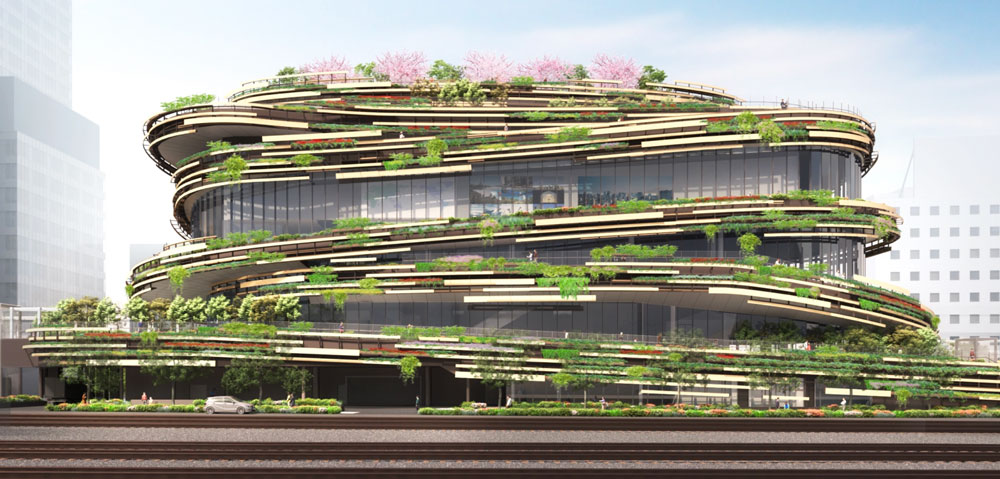
At its core, the Museum of Narratives is built around a simple yet expansive idea: culture is best understood through stories. The concept of “MoN” carries a dual meaning—both a “gate” and a “question”—positioning the museum as a threshold into new perspectives and an open inquiry into the future of culture.
Strategically located beside Takanawa Gateway Station, the project sits on historically significant ground where Japan’s first railway once connected Tokyo to the wider nation. This context reinforces its role as a connector—linking past and future, tradition and innovation, local identity and global exchange.
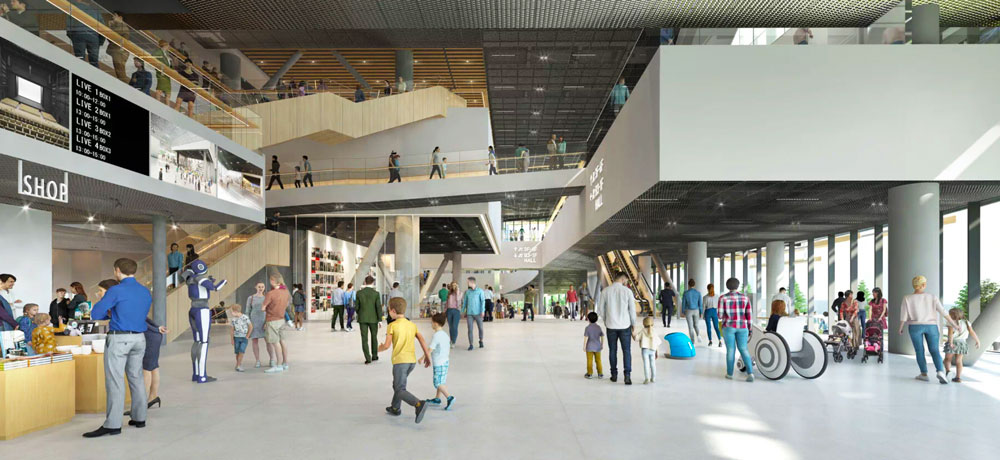
Unlike conventional museums, MoN operates on rotating thematic programs, updated biannually. Each cycle integrates exhibitions, performances, and discussions under a unified narrative, creating continuity across disciplines and encouraging repeat engagement.
Master Plan & Core Components
The museum is designed as a vertically layered cultural complex, rising six floors above ground with three additional subterranean levels. Its program is deliberately flexible, allowing for a wide range of uses—from large-scale exhibitions to live performances and experimental workshops.
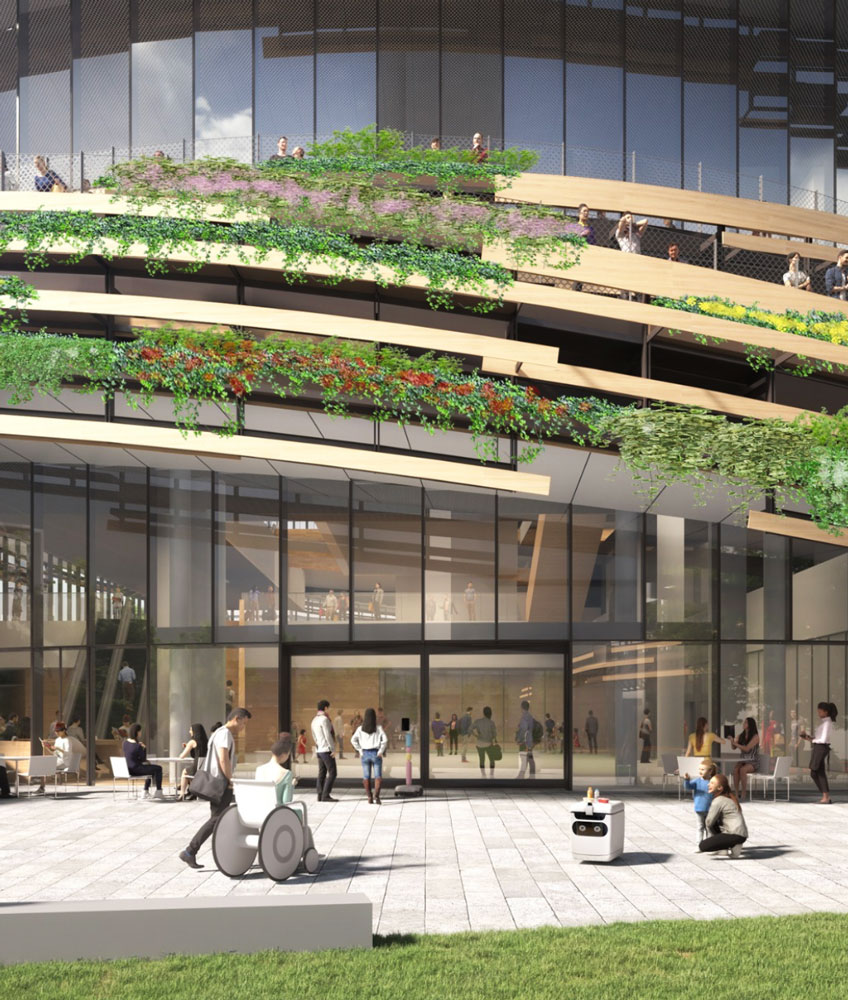
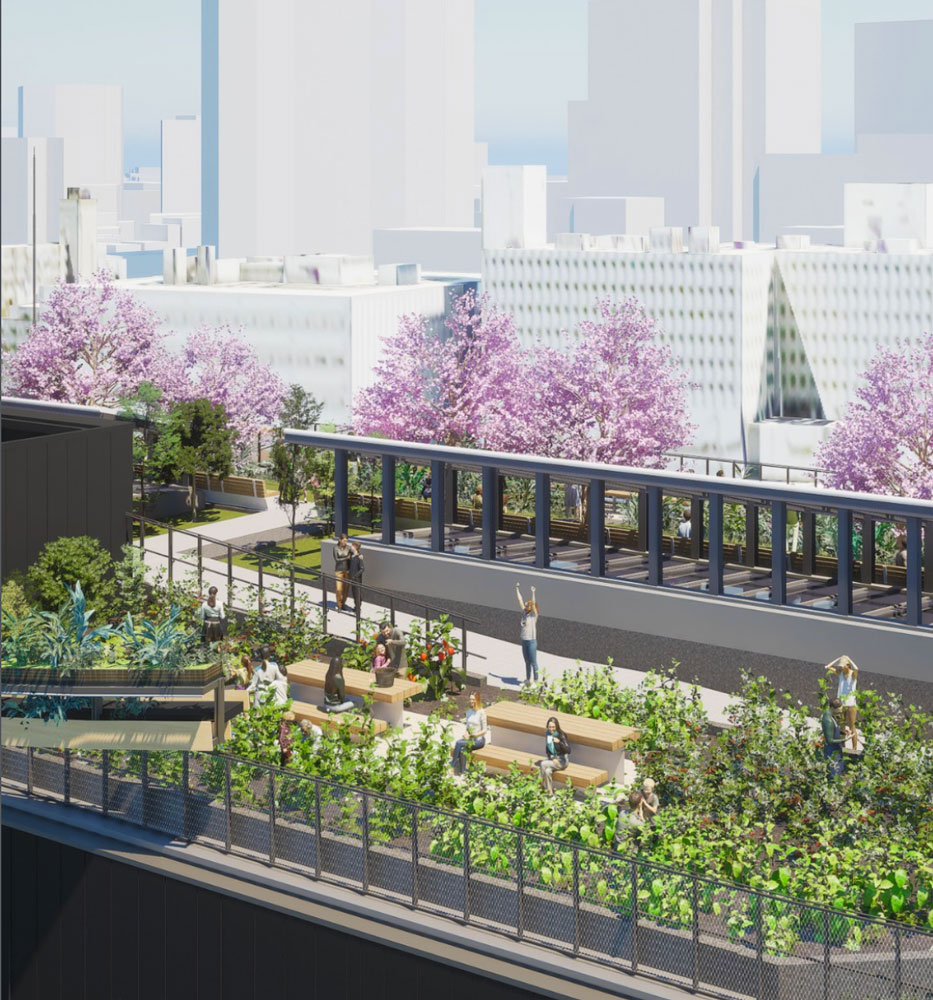
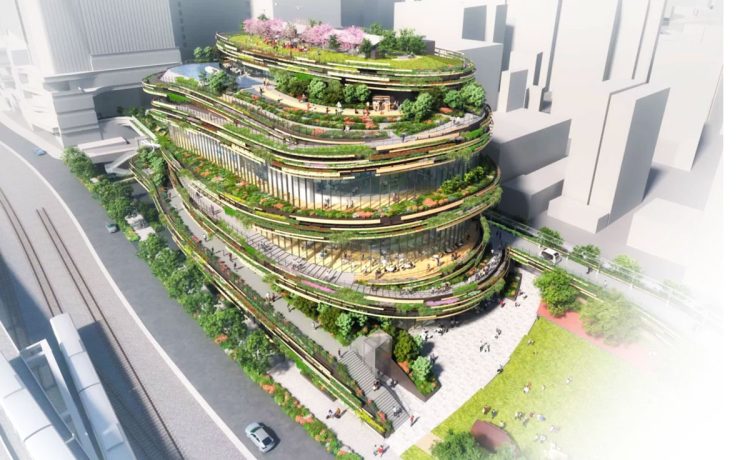
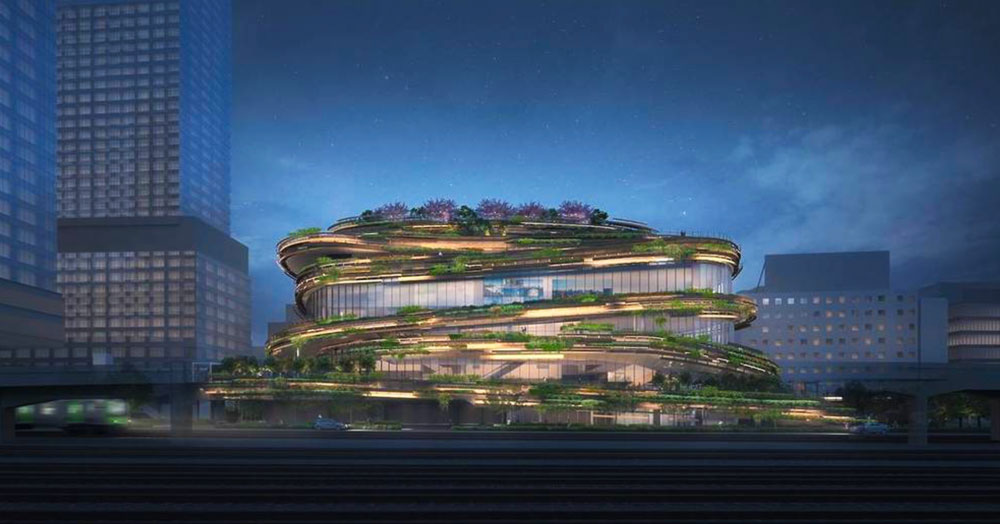
Architecturally, the exterior is led by Kengo Kuma & Associates, with a broader design collaboration involving major Japanese engineering and planning firms. The structure adopts a spiraling form, integrating wood and greenery to create a continuous, walkable architectural experience that connects landscape and built form.
Within the complex, several key components define the visitor experience:
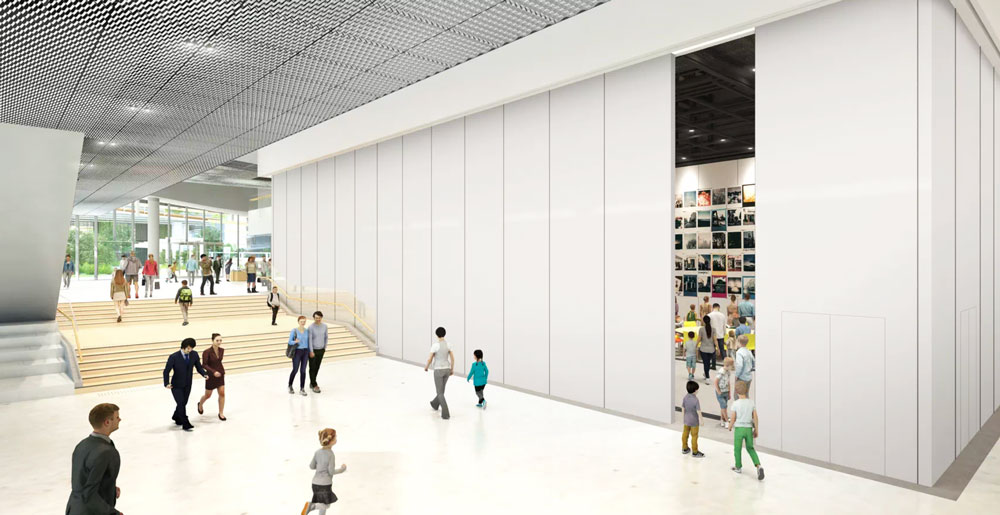
- BOX1500 Exhibition Hall – A large-scale gallery space designed for thematic installations
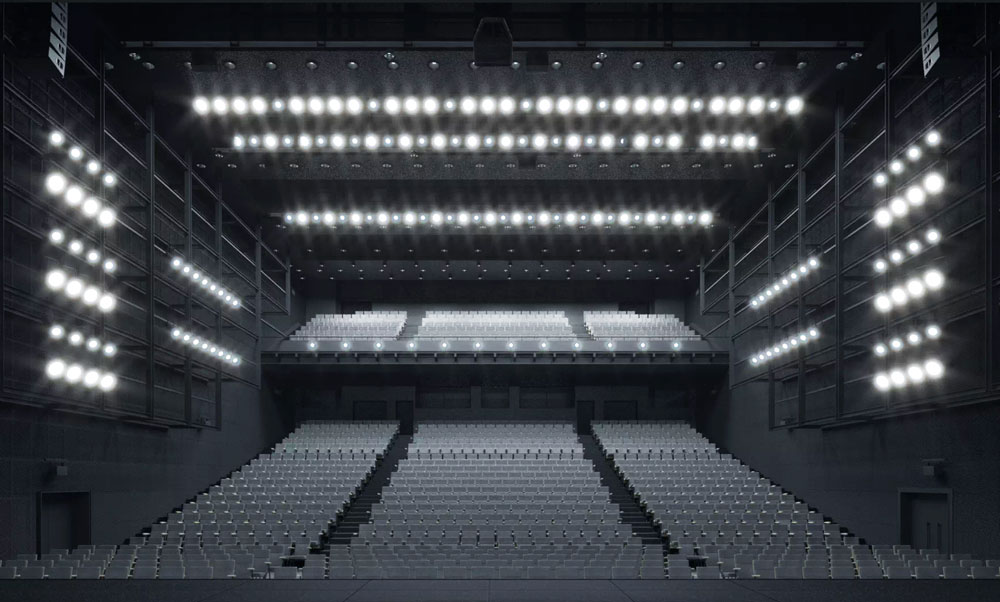
- BOX1000 Theatre – A high-tech performance venue with full-stage LED integration and capacity for large audiences
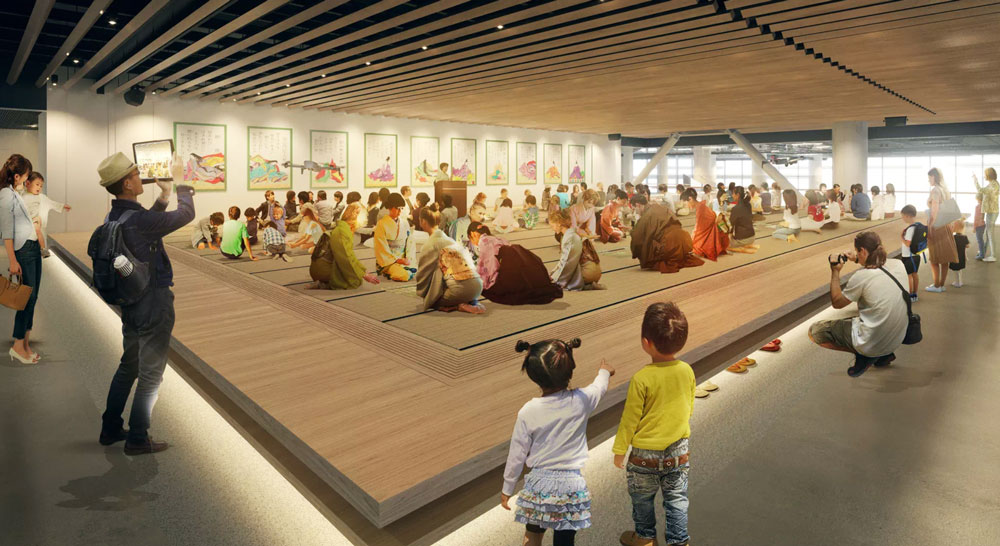
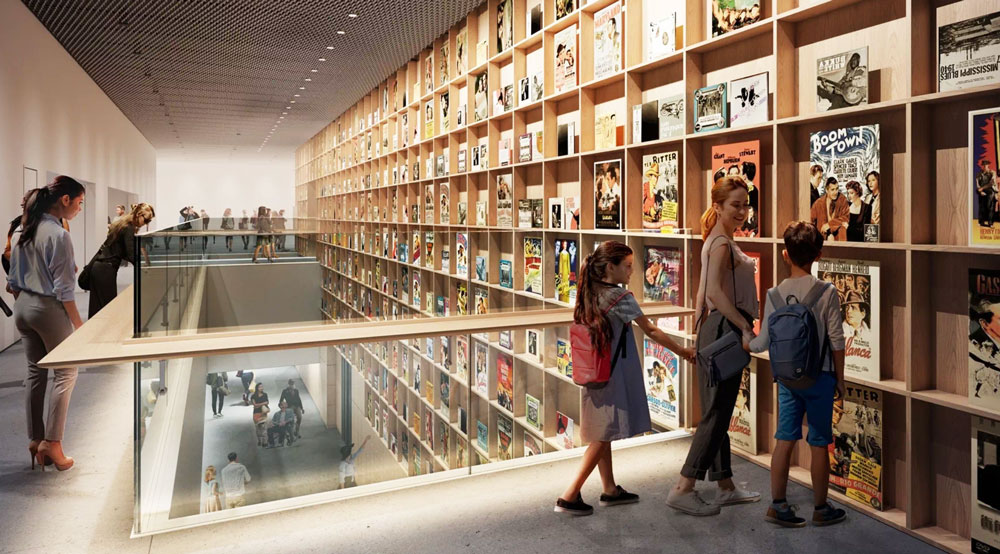
- Interactive Narrative Zones – Dedicated spaces for manga, literature, digital media, and immersive storytelling
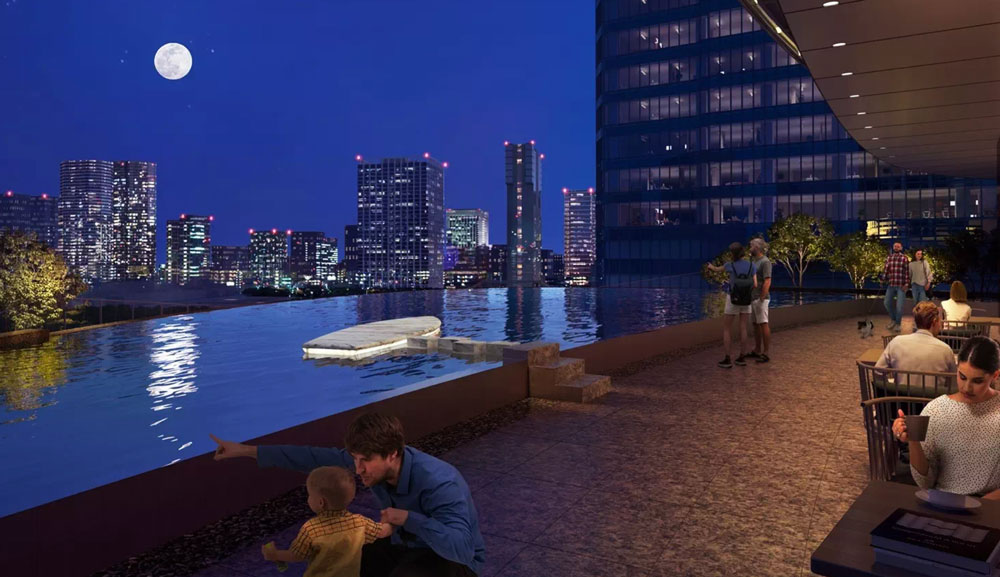
- Terraces & Cultural Platforms – Outdoor environments for seasonal programming, including traditional experiences like moon viewing and cherry blossom observation
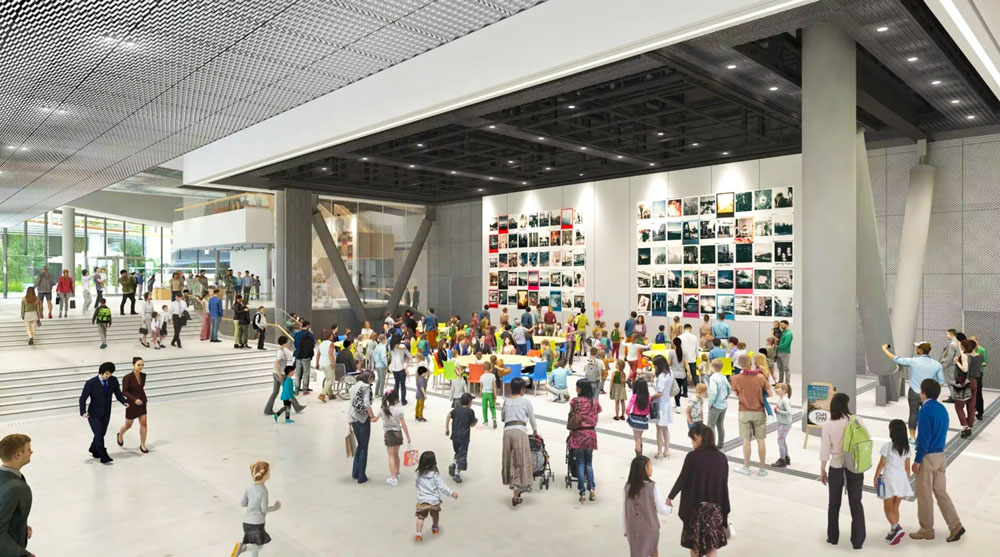
- Public Amenities – Restaurants, cafés, and social spaces integrated into the cultural flow
These elements are unified by a single objective: to transform visitors from observers into participants within unfolding narratives.
Development & Investment Potential
As a centerpiece of Takanawa Gateway City, the museum plays a critical role in a broader urban strategy aimed at redefining Tokyo’s southern gateway. The district is envisioned as a next-generation hub for innovation, culture, and international exchange, with MoN acting as its cultural anchor.
Its hybrid model—combining cultural programming with entertainment, technology, and commercial elements—positions it as both a public institution and an economic driver. By hosting global collaborations and touring exhibitions, the museum is expected to contribute to Tokyo’s growing influence in the international cultural economy.
Sustainability & Innovation
The project integrates sustainability not only through materials but through spatial experience. The extensive use of natural wood, combined with layered greenery and open-air terraces, creates a building that evolves with the seasons and encourages environmental awareness.
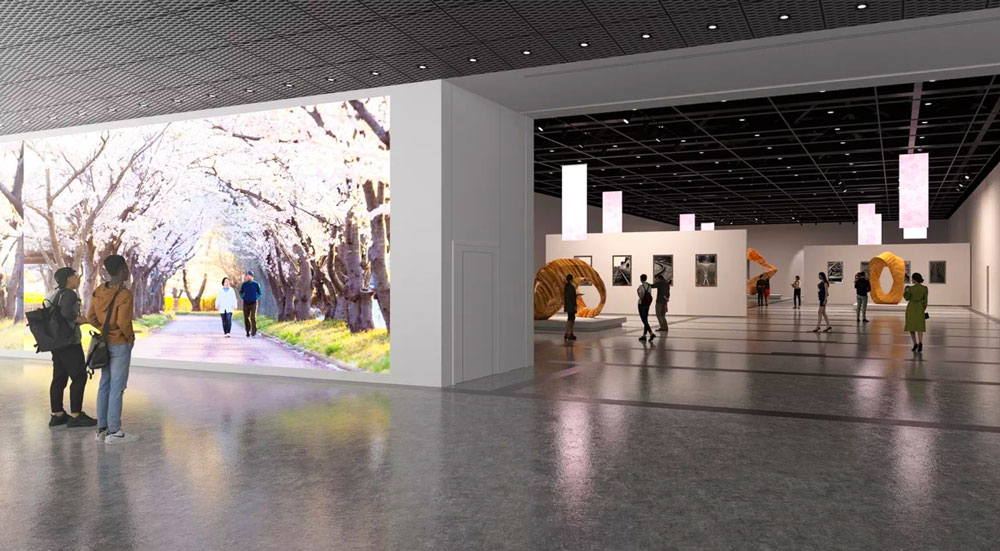
Innovation is equally central. The museum leverages advanced technologies—interactive sensors, large-scale projections, and immersive audio—to create multi-sensory environments where narratives unfold dynamically. These systems enable adaptive storytelling, ensuring that no two visits are identical.
Challenges & Considerations
Despite its ambition, the Museum of Narratives enters a competitive cultural landscape where audience expectations are rapidly evolving. Maintaining relevance will depend on its ability to consistently deliver compelling thematic programs and meaningful collaborations.
Operational complexity is another factor. The integration of performance, exhibition, and digital media requires a high level of coordination across disciplines, pushing the boundaries of traditional museum management models.
Finally, as a flagship within a larger smart-city development, its success is closely tied to the broader performance and identity of Takanawa Gateway City itself.
Urban Impact & Legacy
The Museum of Narratives represents a new typology for cultural institutions—one that prioritizes experience, participation, and narrative continuity over static display. Its presence reinforces Tokyo’s position at the forefront of architectural and cultural innovation, while also setting a precedent for future developments worldwide.
By embedding storytelling into both its architecture and programming, the museum transforms culture into an active, evolving dialogue. It is not simply a place to view art, but a platform to experience, question, and contribute to it.
In doing so, it establishes a lasting legacy as a bridge—between disciplines, between eras, and between the individual and the collective story of culture.
Project Facts & Figures
- Project Name: MoN Takanawa: The Museum of Narratives
- Location: Minato, Tokyo, Japan
- Opening Date: March 28, 2026
- Architect (Exterior): Kengo Kuma & Associates
- Development: Part of Takanawa Gateway City (JR East-led initiative)
- Structure: 6 floors above ground, 3 below
- Program Type: Cultural, exhibition, performance, and immersive storytelling facility
- Key Features: Large-scale exhibition halls, immersive theatre, interactive narrative zones, outdoor terraces, integrated public spaces
The Museum of Narratives positions Tokyo at the forefront of a new cultural era—where architecture is no longer a container for stories, but an active participant in telling them.