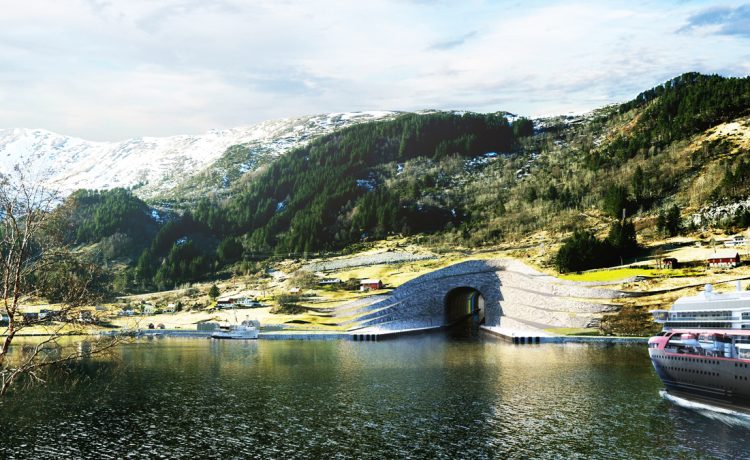
Carving through one of Europe’s most exposed coastal zones, the Stad Ship Tunnel remains one of the most closely watched — and controversial — infrastructure proposals of our time. What was once promoted as a pioneering maritime shortcut now stands at a critical inflection point: as of late 2025, the project has neither been built nor definitively cancelled.
Vision & Strategic Positioning
The goal of the tunnel remains compelling: to allow ships to bypass the treacherous waters around the Stad Peninsula — a stretch of coast prone to violent storms, unpredictable currents, and a history of serious maritime accidents. The tunnel was conceived as a protective corridor for coastal ferries, cargo ships, and other vessels, with hopes of improving safety, reducing delays, and strengthening maritime connectivity for western Norway.
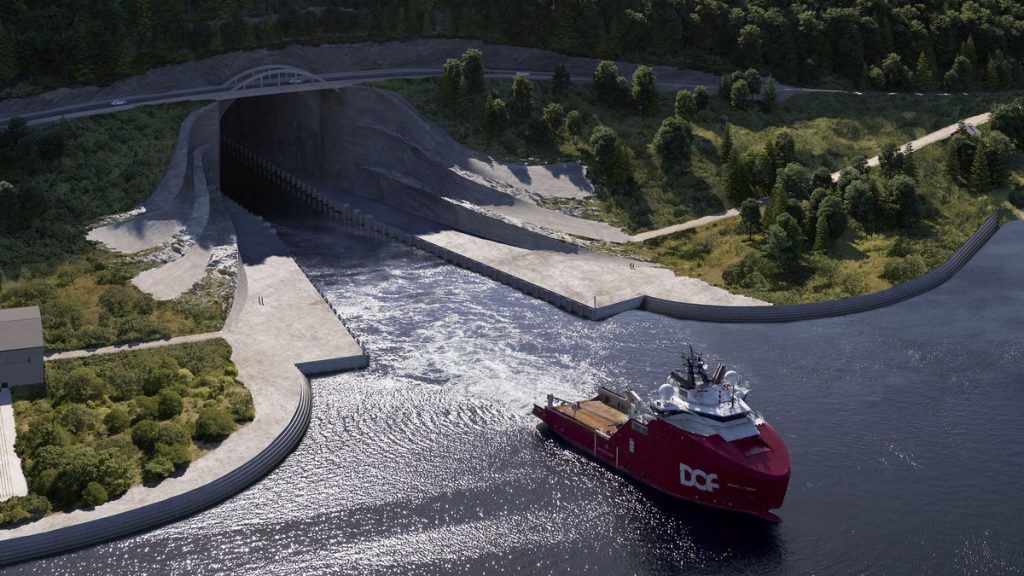
Strategically, it also promised to reinforce Norway’s maritime infrastructure, support coastal communities, and enhance the reliability of transportation along its famous coastal routes — especially in rough weather that today often forces lengthy detours or cancellations.
Master Plan & Core Components
The plan envisions a roughly 1.7 km long tunnel, about 36–37 m wide and up to 49–50 m high, capable of accommodating coastal-class vessels (including ones similar to those operated by the national coastal operator). The cross-section and dimensions would make the Stad Ship Tunnel the world’s first full-scale tunnel built specifically for ships. Entrances were designed by the architecture and design firm Snøhetta, with rugged stone portals intended to blend with Norway’s natural landscape. The interior design included provisions for marine safety systems, navigation control, and maritime traffic regulation.
Excavation was planned to use conventional drill-and-blast techniques — removing on the order of 3 million cubic metres of rock — with materials shipped in by sea due to limited access via local roads. The method was carefully chosen considering local geology and environmental constraints.
Development & Investment Potential
If completed, the tunnel could significantly reduce weather-related delays, shorten coastal journeys, and offer more predictable ferry and cargo schedules — a major advantage for northern communities and maritime supply chains. It also had potential to boost tourism, encouraging travelers to remain on sea routes rather than rely on land transport.
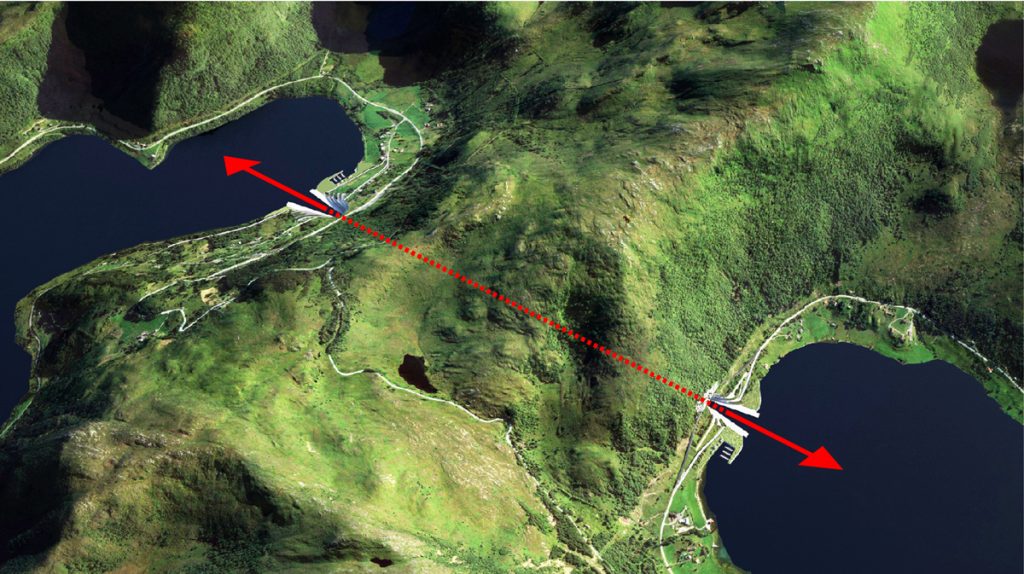
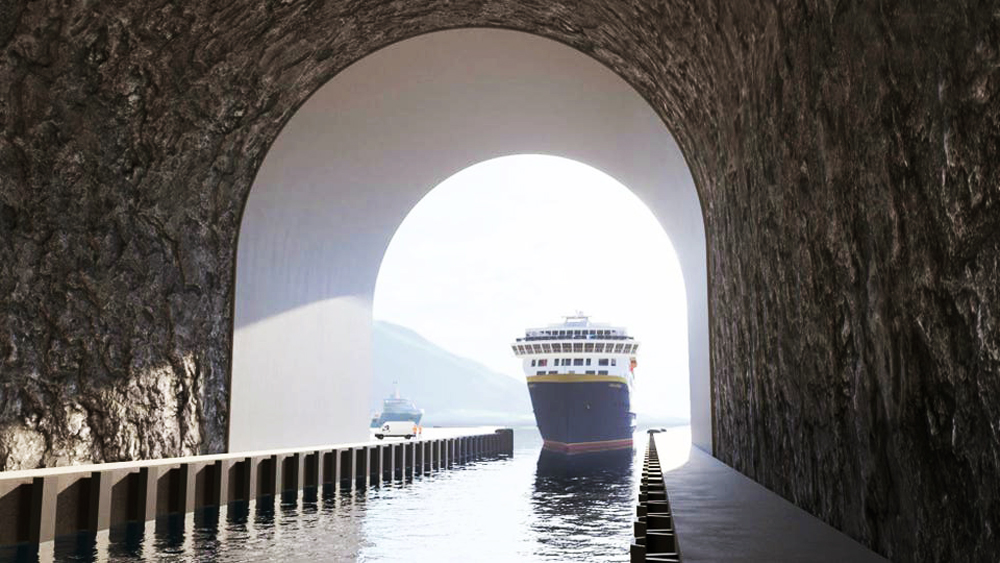
Economically, the benefits would likely materialize over decades, via fuel savings, safer navigation, reduced delays, and increased operational reliability. For coastal operators, this could translate into lower overhead and better service — possibly invigorating freight and passenger services along Norway’s rugged western coast.
Sustainability & Innovation
The tunnel was framed as a forward-looking infrastructure investment: its design aimed to minimize marine-environment disruption by avoiding surface dredging, instead tunnelling through solid rock. With careful blasting control, environmental mitigation, and use of excavated rock for local infrastructure, the project promised a relatively low-impact footprint compared with many large maritime interventions.
By offering a weather-resilient maritime route, it could also make sea transport more reliable and reduce the need for less-efficient land alternatives — aligning with Norway’s green-transport ambitions.
Challenges & Considerations
In 2025, the biggest challenge materialized: the cost. After bids were submitted, the price tag ballooned to roughly NOK 9.4 billion — nearly double what had been expected. The government initially withdrew the planned funding and proposed halting the project, citing cost concerns and competing priorities such as healthcare and defense.

Compounding that, some coastal operators reportedly expressed hesitation about relying on the tunnel, given that modern vessels and improved weather-forecasting might allow them to cope with existing conditions. Questions about cost-benefit balance, environmental impact, and long-term viability surfaced and remain under active debate.
Urban Impact & Legacy
Though not an urban-scale project, the tunnel carries enormous symbolic and practical weight. If realized, it would stand as a unique example of human ingenuity reshaping maritime geography — transforming a hazardous stretch of sea into a controlled, protected passage. In doing so, it could secure safer, more reliable coastal transport for decades, benefiting small coastal communities, fishermen, ferry operators, and tourists alike.
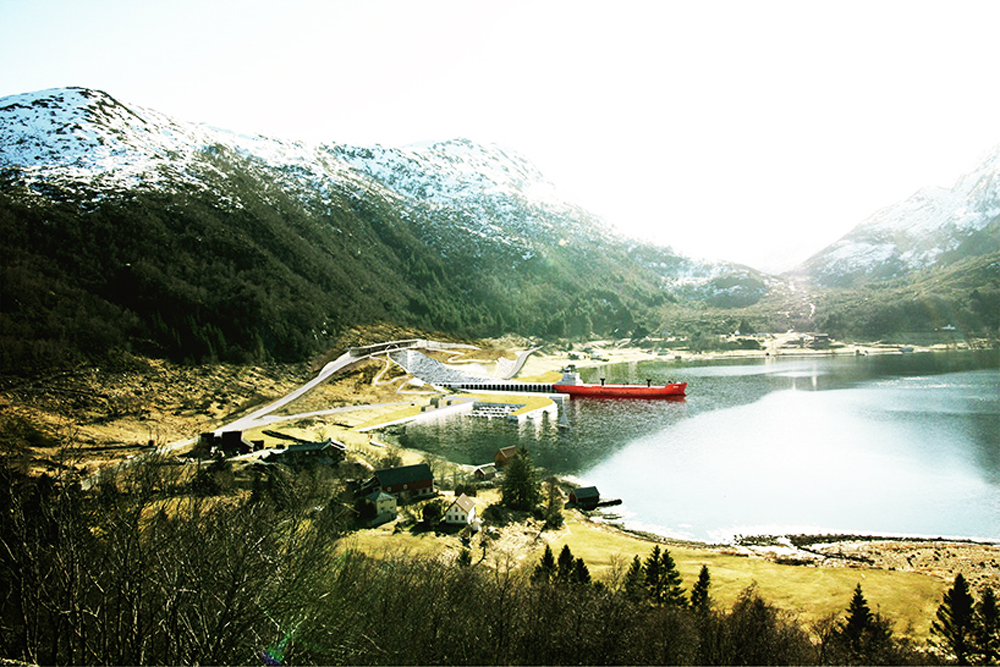
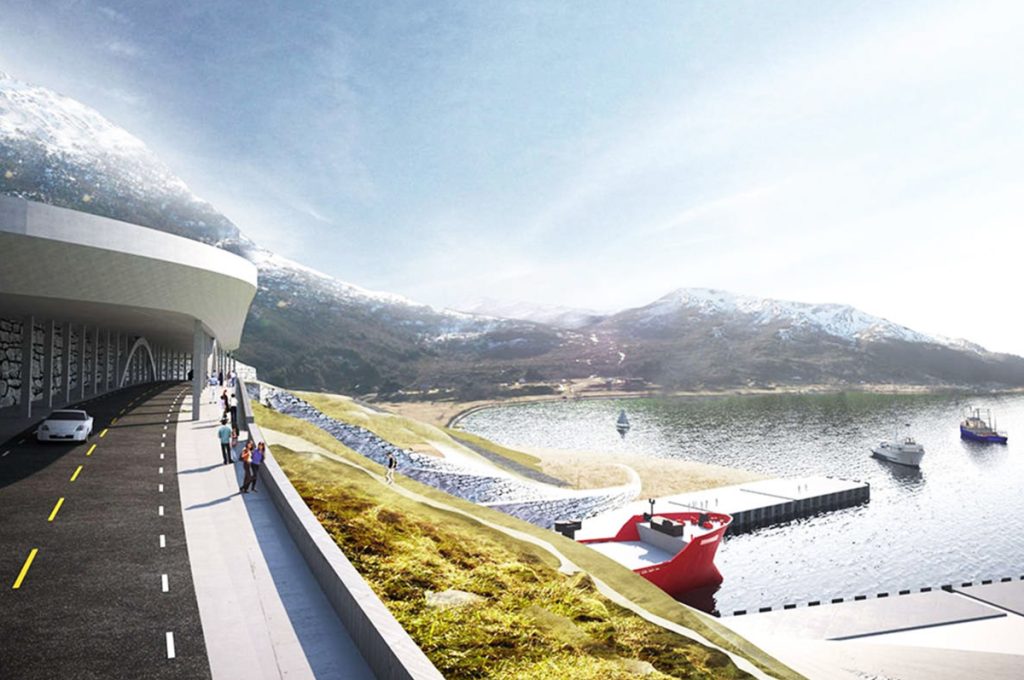
Here’s the current status of Stad Ship Tunnel (as of Nov 30, 2025)
The project has not been definitively cancelled, but it is effectively on hold and under re-evaluation. In October 2025, the government withdrew funding and announced its intention to drop the tunnel, citing a cost overrun to about NOK 9.4 billion. That made the project financially unviable under the existing budget framework.
However, a majority in the national parliament intervened — instructing Kystverket (the Norwegian Coastal Administration) to resume negotiations with the shortlisted contractors and attempt revised, lower-cost bids. As a result, the tender process is continuing, but the project now faces strict cost-control demands and no guarantee of moving forward.
In short: the tunnel is in a limbo state — neither built nor officially scrapped. Its future depends on whether new bids satisfy parliament’s and government’s cost-effectiveness thresholds.
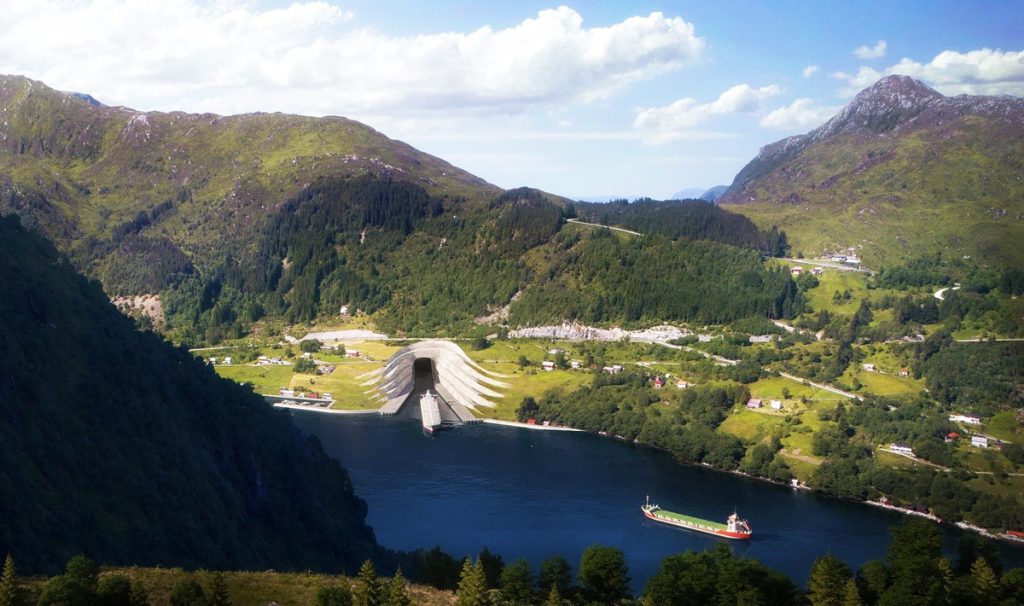
Project Facts & Figures (Latest)
- Location: Stad Peninsula, Vestland County, Norway
- Type: Full-scale maritime ship tunnel
- Planned Length: ~1.7 km (tunnel section)
- Width: ~36–37 m
- Height: ~49–50 m
- Estimated Excavation Volume: ~3 million m³ of rock
- Estimated Cost (2025 bids): ~NOK 9.4 billion
- Architects & Designers: Snøhetta
- Status (Nov 2025): Tender received — prequalified contractors submitted bids; government initially withdrew funding but parliamentary pressure prompted reopening of price negotiations; final decision awaited