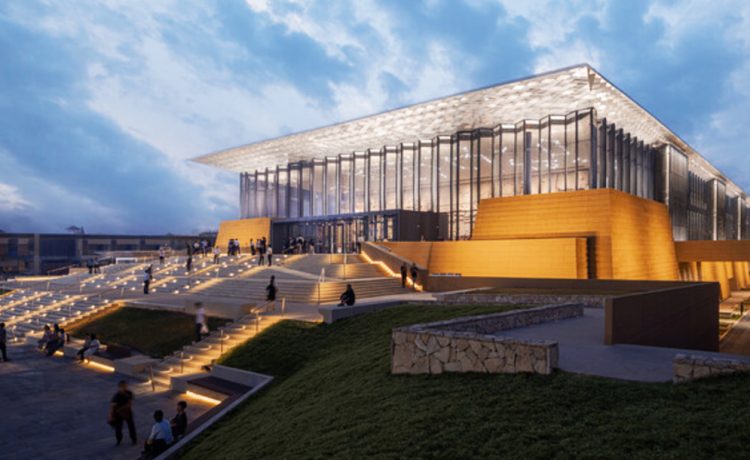
Rising within the Xixian New Area of Xi’an, the Shaanxi Culture and Art Museum represents a major cultural investment in one of China’s most historically significant cities. Positioned near the archaeological zone of the ancient Epang Palace ruins, the project merges contemporary architecture with a setting layered in imperial history. Conceived as a long-term cultural anchor, it integrates exhibition, performance, and public space into a single civic campus.
Vision & Strategic Positioning
Shaanxi Province has long been a cradle of Chinese civilization, and Xi’an—once known as Chang’an—served as the eastern gateway of the Silk Road. The museum’s vision aligns with this legacy, positioning the development as both a regional cultural flagship and a platform for international artistic exchange.
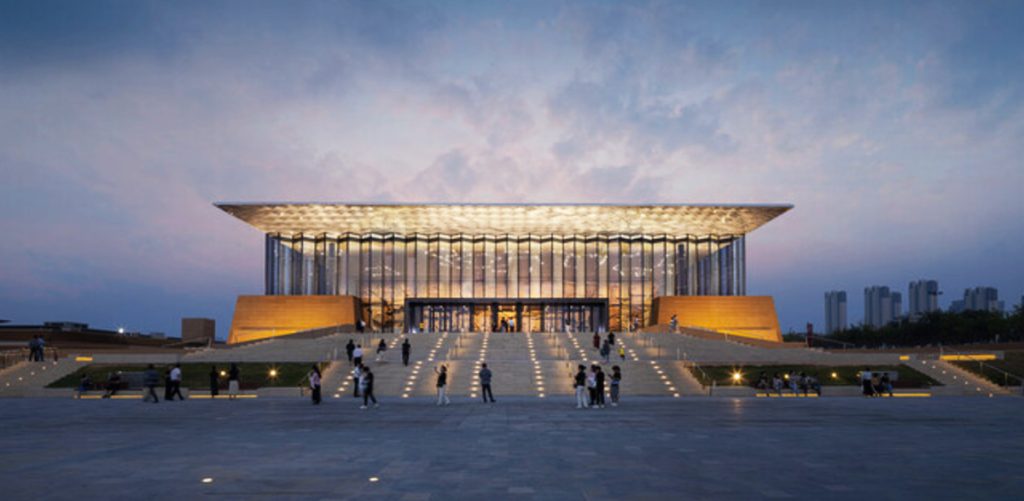
Strategically located within the rapidly developing Xixian New Area, the project is intended to:
• Strengthen Xi’an’s role as a national cultural capital
• Support large-scale performing arts and immersive productions
• Anchor broader urban development in the surrounding district
• Create a contemporary landmark that references historical urban patterns
The museum is not designed as a standalone building, but as part of a larger cultural ecosystem that reinforces tourism, education, and creative industries.
Master Plan & Core Components
The first phase of the Shaanxi Culture and Art Museum spans approximately 94,000 square meters of site area, with a total built-up area of roughly 135,000 square meters. The development includes a major performing arts theatre, a Silk Road–themed art museum, and supporting cultural facilities integrated into a landscaped public realm.
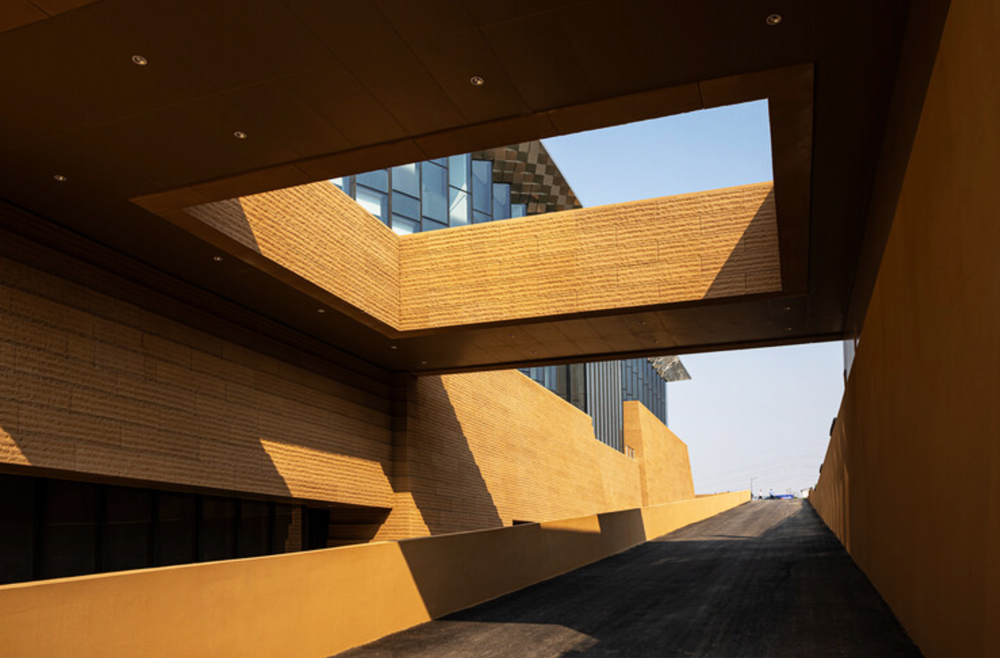
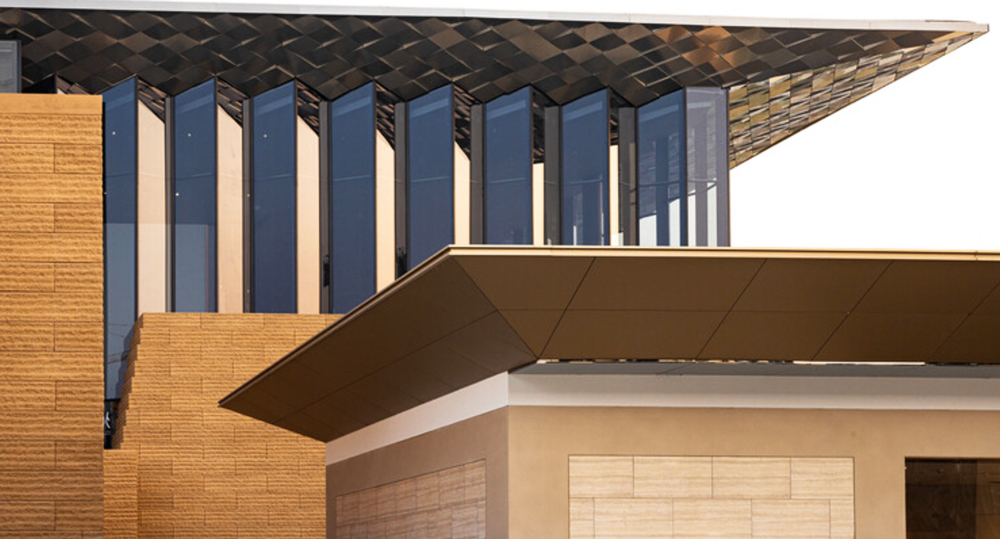
The project was designed by TJAD Atelier L+, part of the Tongji Architectural Design Group, one of China’s leading state-owned design institutes. The architectural approach balances contemporary materials—glass, steel, and concrete—with forms that respond to archaeological constraints and strict height regulations in the heritage-sensitive zone.
Key components include:
• A large-scale immersive theatre designed for dynamic stage productions
• The Silk Road Art Museum for rotating and thematic exhibitions
• Public plazas, courtyards, and circulation terraces
• Educational and event spaces supporting cultural programming
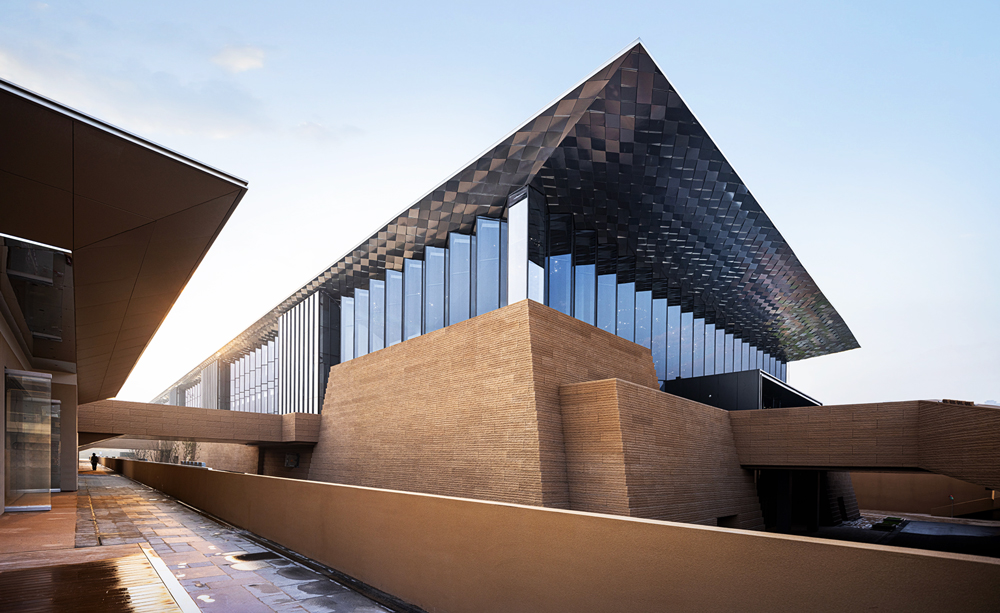
The theatre is the centerpiece of the first phase. Its flexible internal volume allows for immersive storytelling productions that integrate audience and performance space. Advanced lighting, acoustics, and stage engineering systems support high-production-value shows rooted in regional history and mythology.
Development & Investment Potential
As Xi’an continues expanding westward, the Xixian New Area has been identified as a priority zone for cultural and innovation-led growth. Large-scale public investments in infrastructure and civic architecture are positioning the district as a long-term urban extension of the historic core.
The museum contributes to:
• Cultural tourism growth in western China
• Increased land value in surrounding districts
• Creative economy expansion, including performance arts and exhibition industries
• Strengthened international visibility for Shaanxi Province
Cultural mega-projects of this scale typically serve as catalysts for hospitality, retail, and mixed-use development, supporting both public and private investment flows.
Sustainability & Innovation
Building within an archaeological protection zone required a careful response to environmental and heritage constraints. The architectural strategy emphasizes:
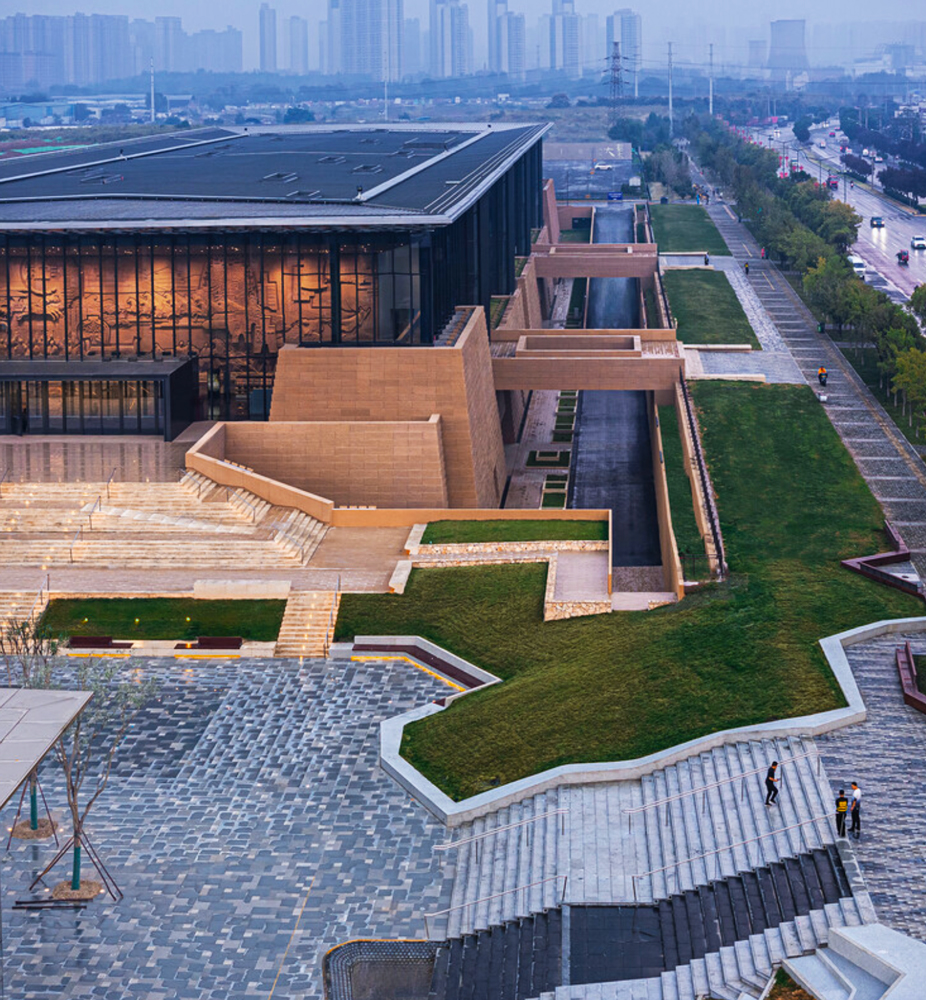
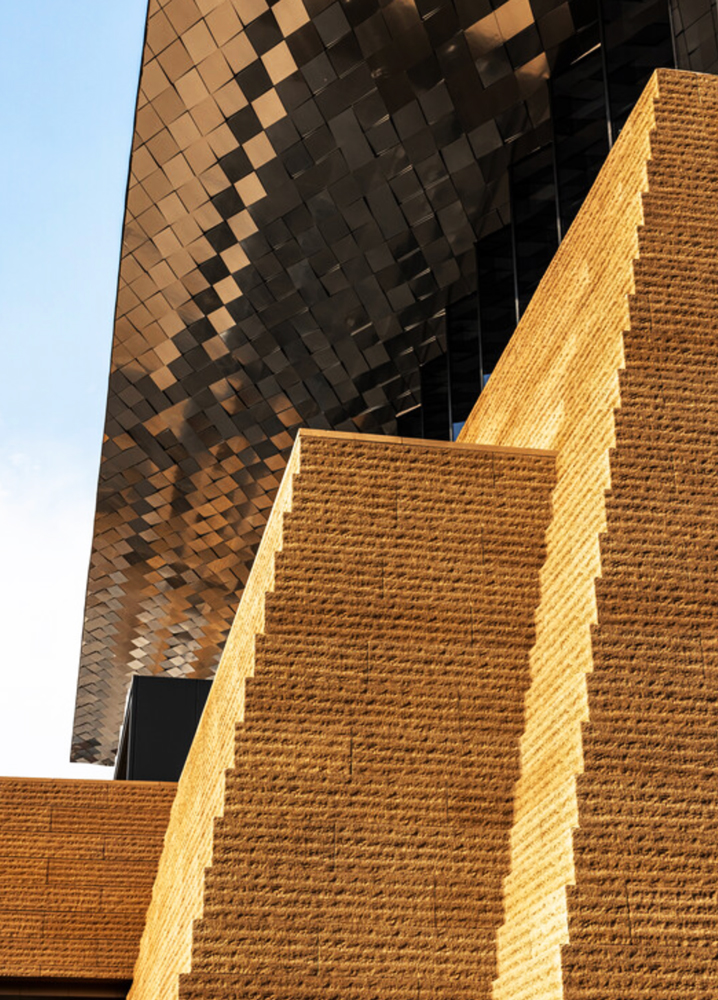
• Low-rise massing to preserve protected sightlines
• Integrated landscaping that buffers historic areas
• Natural light integration within exhibition spaces
• Efficient circulation that blends indoor and outdoor experience
The theatre’s advanced stage systems and immersive technologies reflect innovation in performance design, positioning the venue among China’s more technically sophisticated cultural spaces.
Challenges & Considerations
Developing within proximity to protected heritage sites presents complex regulatory and construction challenges. Height limits, excavation restrictions, and preservation mandates shaped the master plan.
Additionally:
• Balancing large-scale performance needs with conservation rules required design flexibility
• Ensuring sustained programming is essential to long-term cultural relevance
• Ongoing urban build-out in Xixian New Area will influence visitor flow and accessibility
Long-term success will depend not only on architecture, but on curated programming and integration with broader urban growth.
Urban Impact & Legacy
Xi’an’s identity is inseparable from its imperial past and Silk Road heritage. The Shaanxi Culture and Art Museum reinforces that narrative through contemporary expression rather than historical replication.
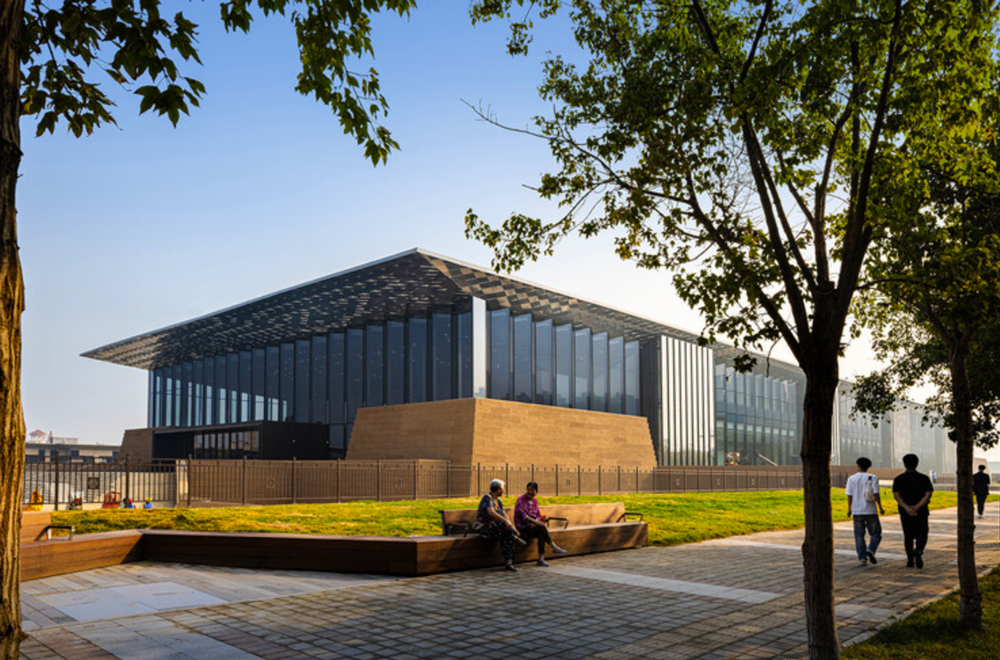
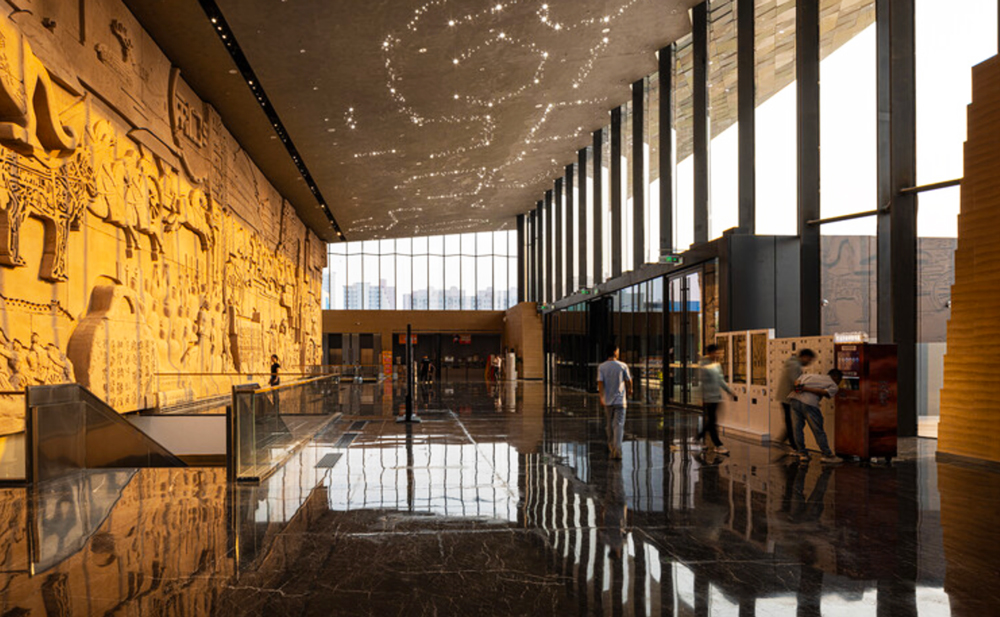
By combining immersive theatre with exhibition space and civic plazas, the project contributes to a new generation of Chinese cultural institutions—spaces designed as experiential environments rather than static galleries.
Over time, the museum is expected to function as:
• A landmark within the western expansion of Xi’an
• A performance destination for large-scale historical productions
• A symbol of Shaanxi’s cultural continuity into the 21st century
The Shaanxi Culture and Art Museum stands as a cultural infrastructure investment designed to bridge imperial legacy and modern creative ambition—an architectural statement positioned at the crossroads of history and contemporary performance.
Project Facts & Figures
Location: Xixian New Area, Xi’an, Shaanxi Province, China
Architect: TJAD Atelier L+ (Tongji Architectural Design Group)
Site Area: Approx. 94,000 m²
Total Built Area: Approx. 135,000 m²
Primary Components: Performing Arts Theatre, Silk Road Art Museum, Public Cultural Facilities
Phase: First phase completed; broader district development ongoing