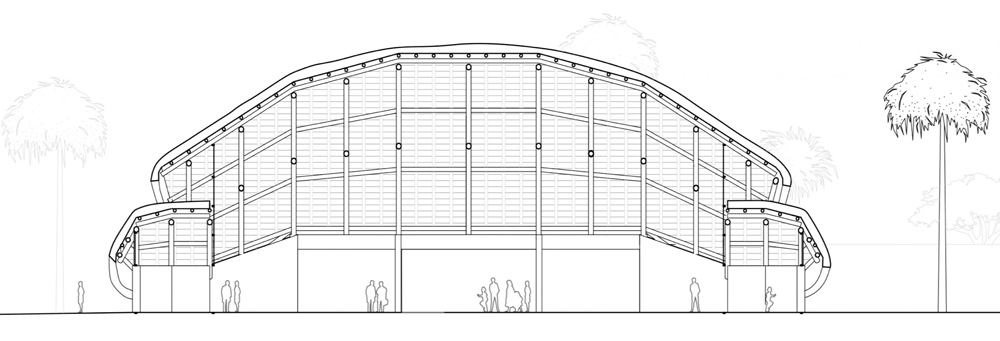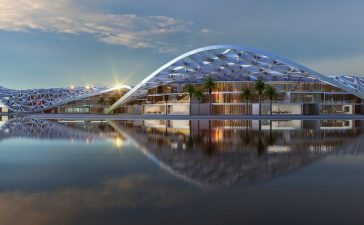
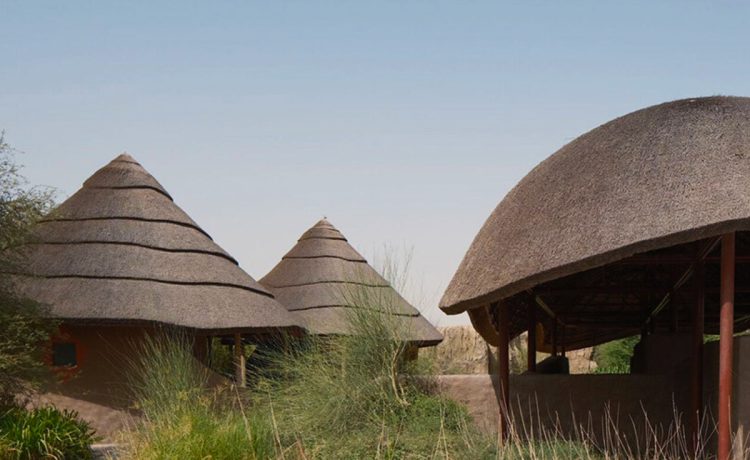
Set within the natural landscape of the Al Bridi Reserve in Sharjah, Sharjah Bridi Park represents a distinctive blend of architecture, ecology, and education. Designed by Urko Sánchez Architects, the project forms part of the broader Sharjah Safari Park development—one of the most ambitious wildlife and conservation initiatives in the Middle East. Rather than imposing conventional structures on the environment, the design approach transforms architecture into a living extension of the terrain, creating a place where visitors encounter learning, research, and nature in a seamless landscape.
Located in Sharjah’s desert hinterland near Al Dhaid, the development reflects the emirate’s growing focus on ecological tourism, conservation, and cultural programming that connects visitors to global ecosystems.
Vision & Strategic Positioning
Sharjah Bridi Park was conceived as a cultural and educational gateway within the safari reserve—an environment designed to deepen public understanding of wildlife conservation and African ecosystems.
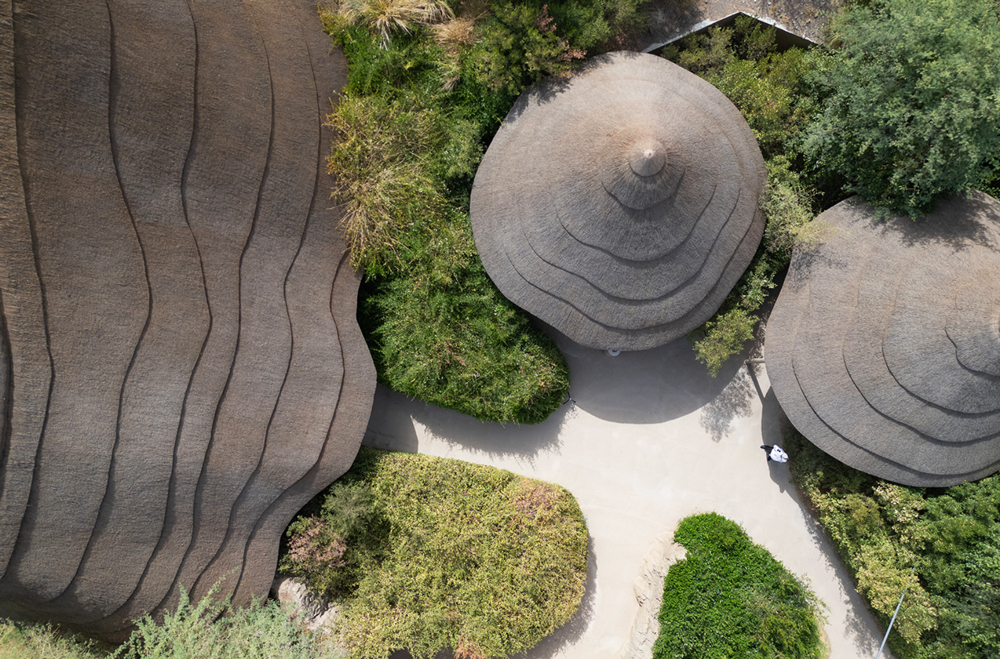
The concept positions the park as more than a visitor attraction. Instead, it functions as a multidisciplinary destination combining research facilities, educational spaces, and immersive public experiences.
Key strategic objectives include:
- Supporting environmental education and conservation awareness
- Creating architectural forms that integrate with the surrounding desert landscape
- Enhancing Sharjah’s reputation as a regional hub for sustainable tourism
- Expanding the visitor experience within the Sharjah Safari ecosystem
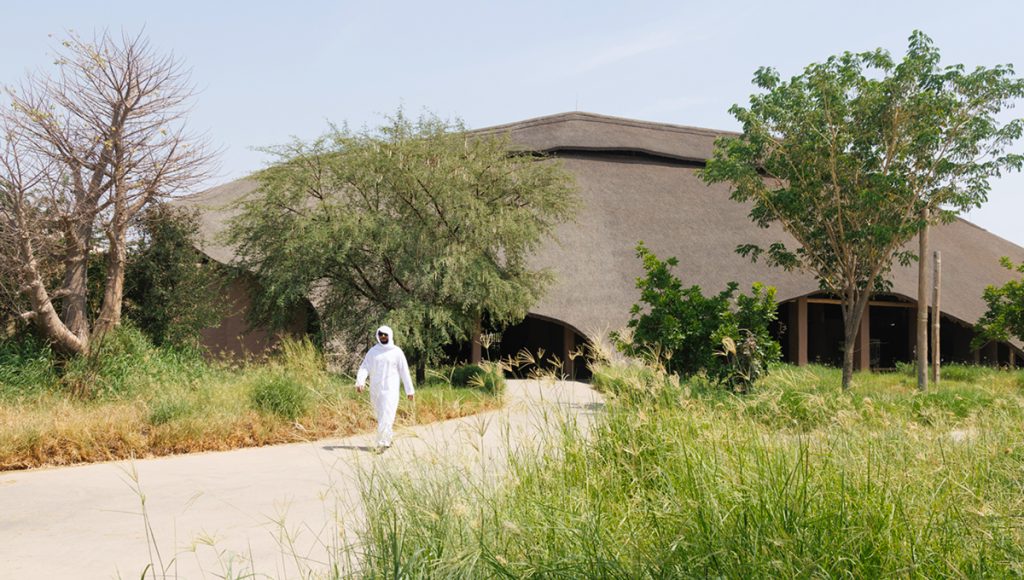
The project aligns closely with the emirate’s broader development vision, which emphasizes culture, ecology, and design-led destinations rather than purely commercial tourism.
Master Plan & Core Components
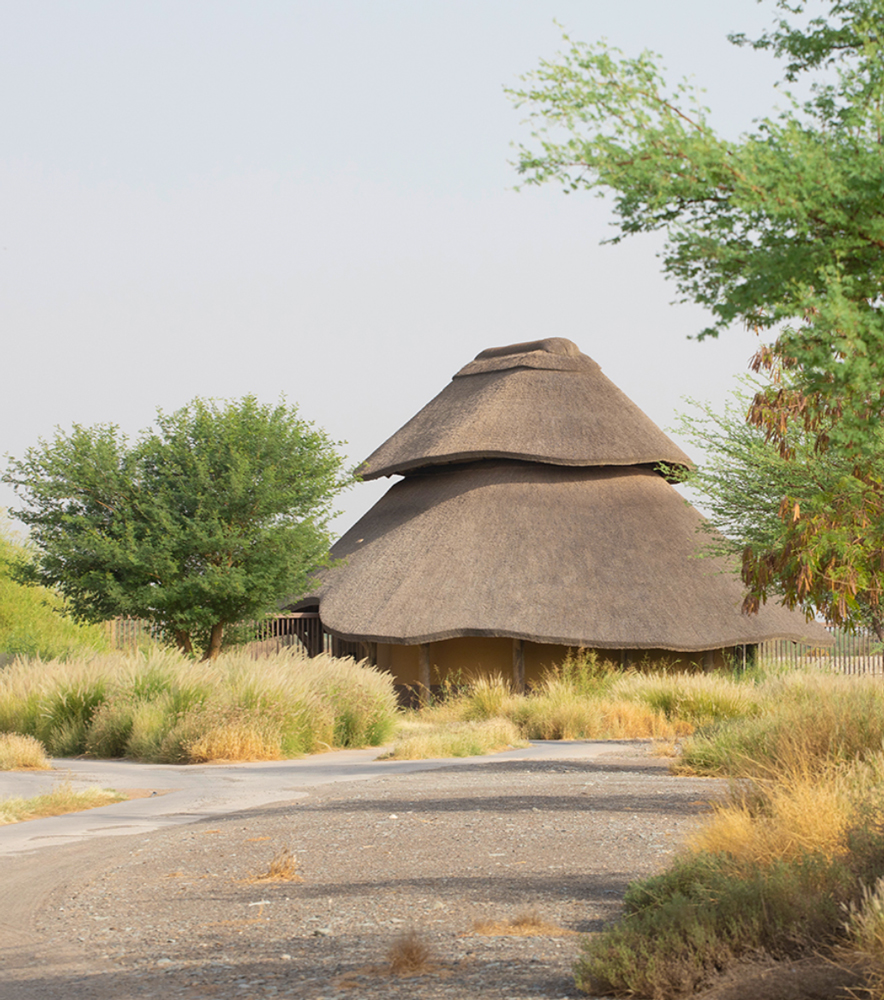
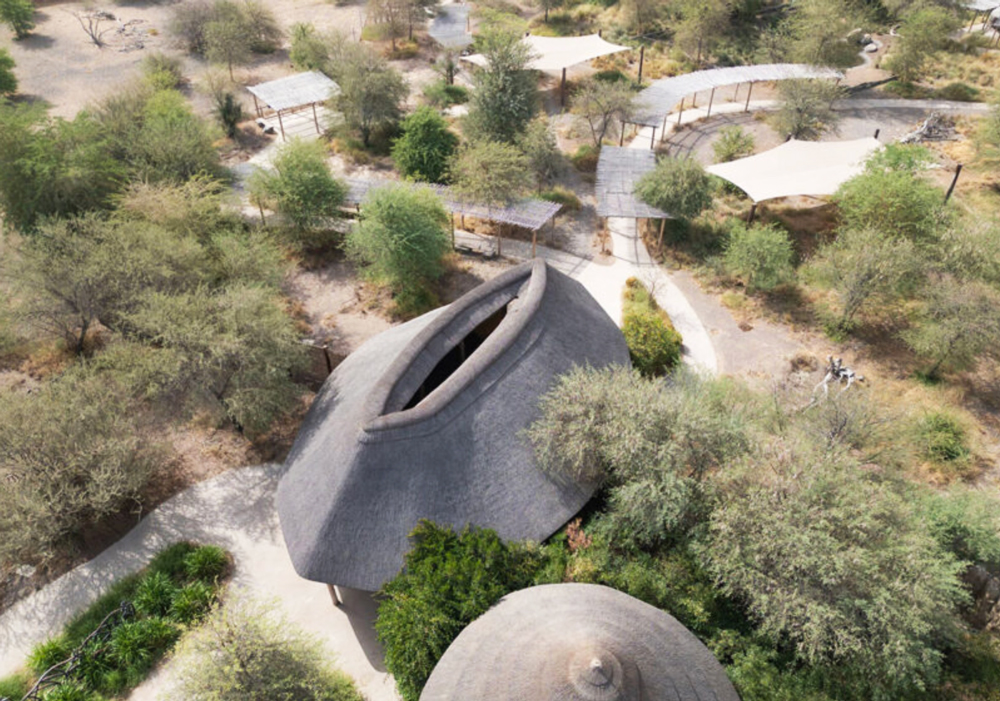
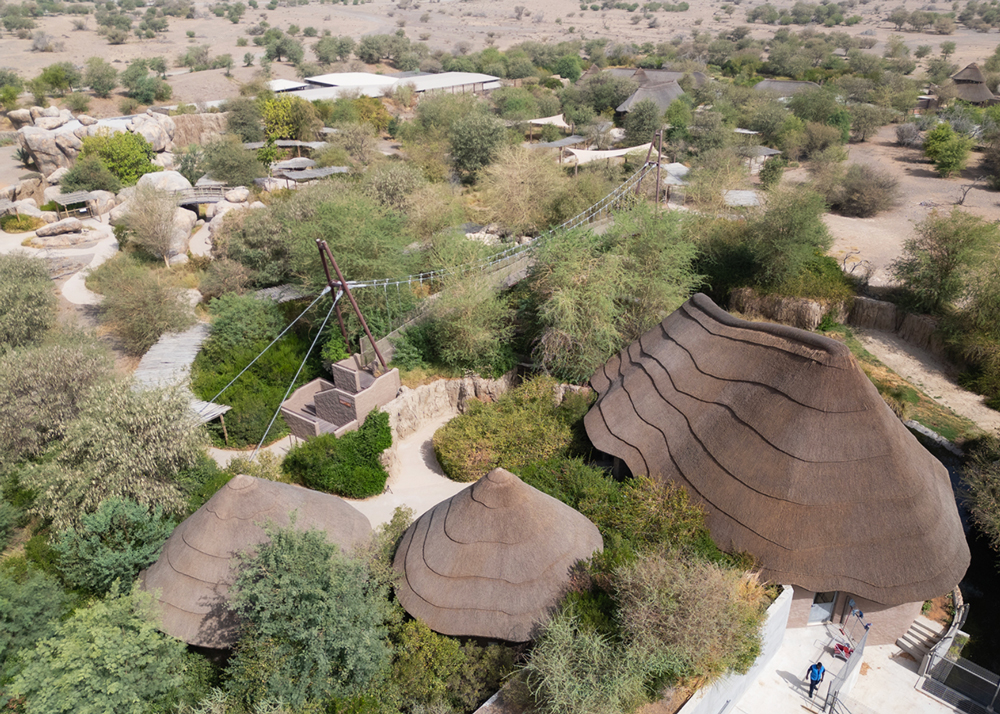
The Bridi Park development spans approximately 20,000 square meters and is structured as a series of architectural pavilions distributed across the landscape. These buildings guide visitors through a carefully choreographed sequence of arrival, orientation, learning, and exploration.
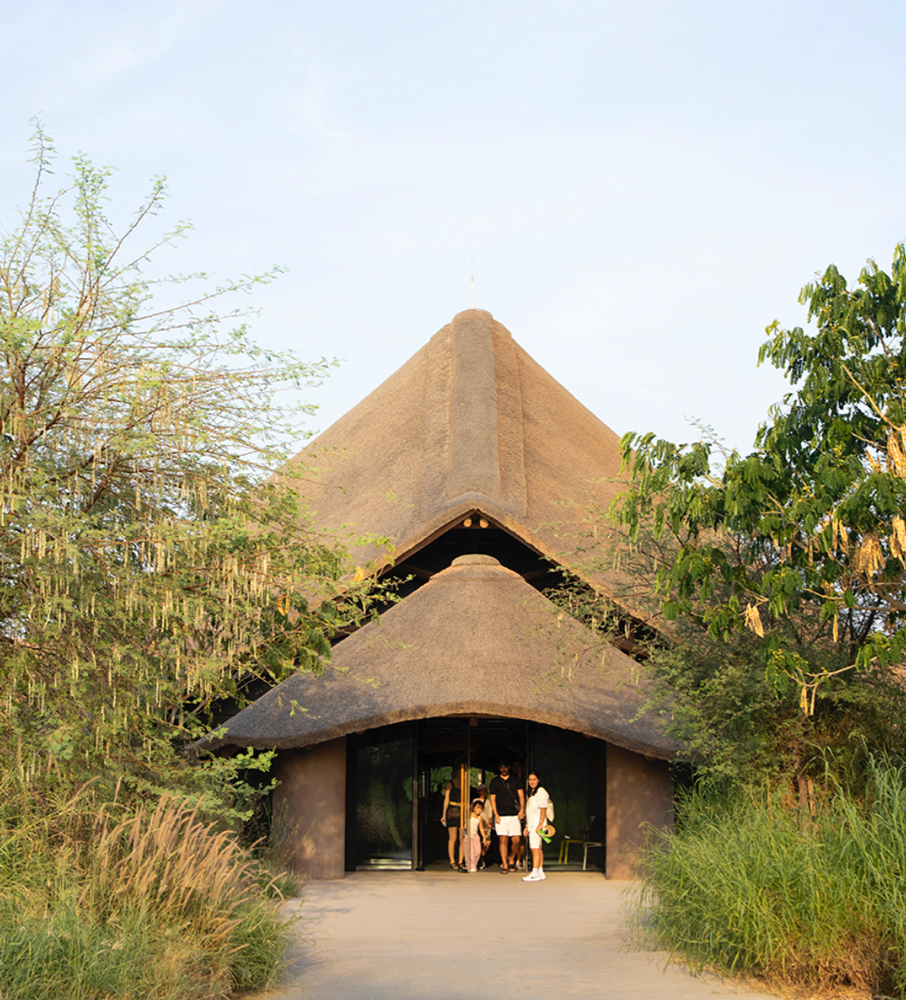
Core components of the project include:
- Entrance pavilions and visitor reception areas
- Ticketing and orientation facilities
- Retail and hospitality spaces
- Educational camp and research-oriented learning areas
- Operational and service buildings supporting park activities
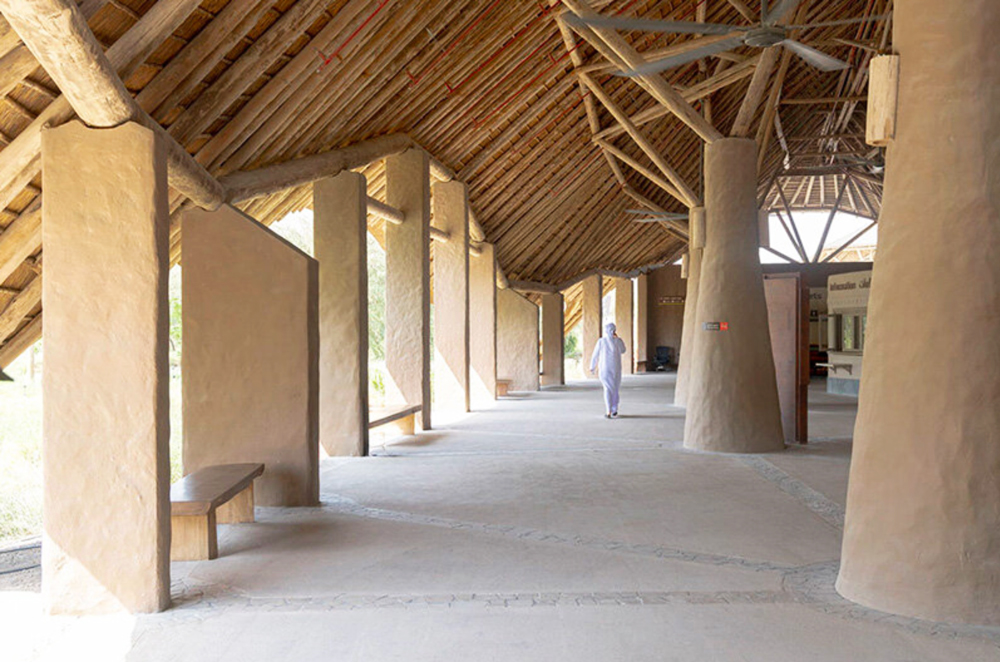
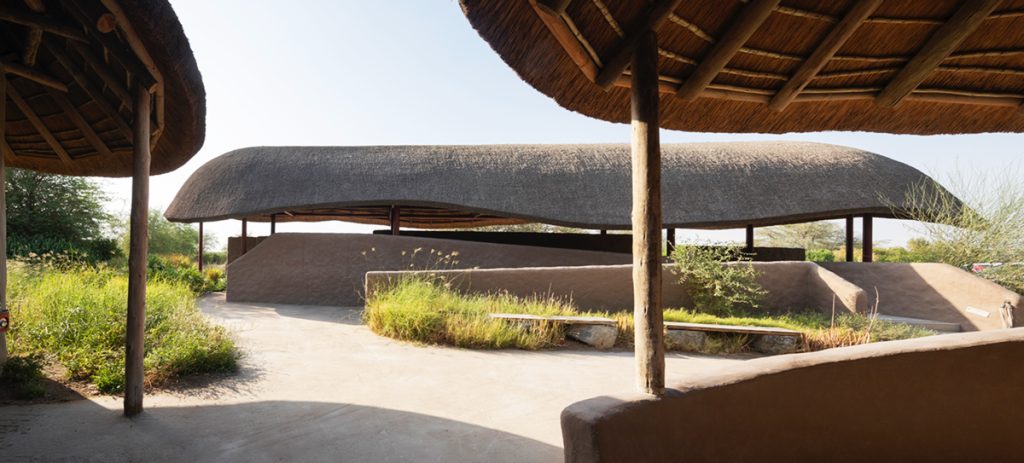
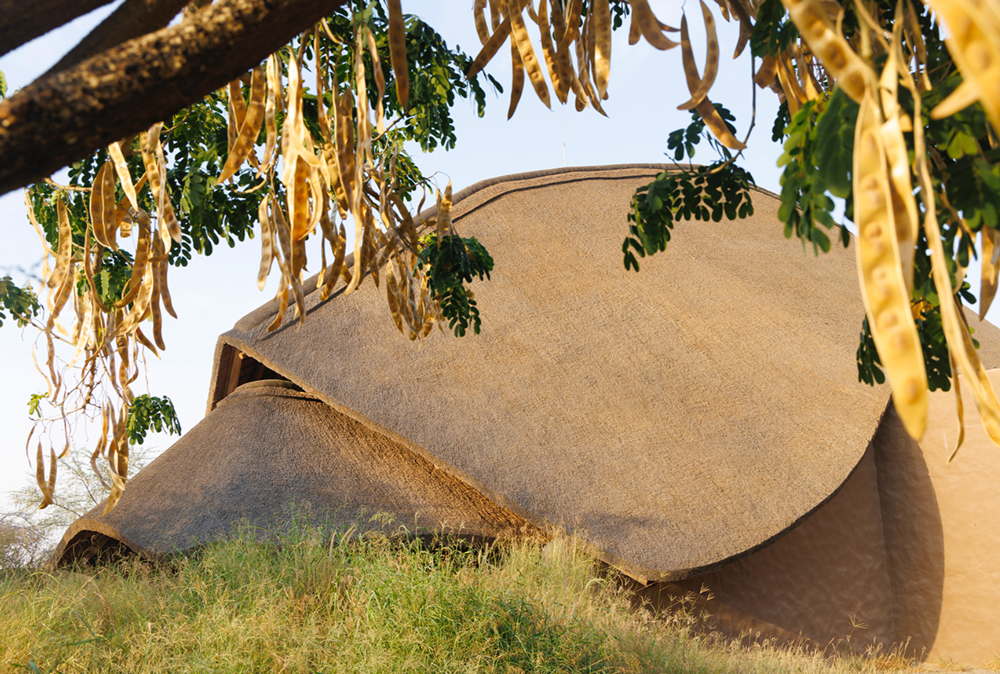
The architecture draws inspiration from traditional African construction techniques, particularly vernacular structures characterized by organic forms, natural materials, and thatched roofing systems.
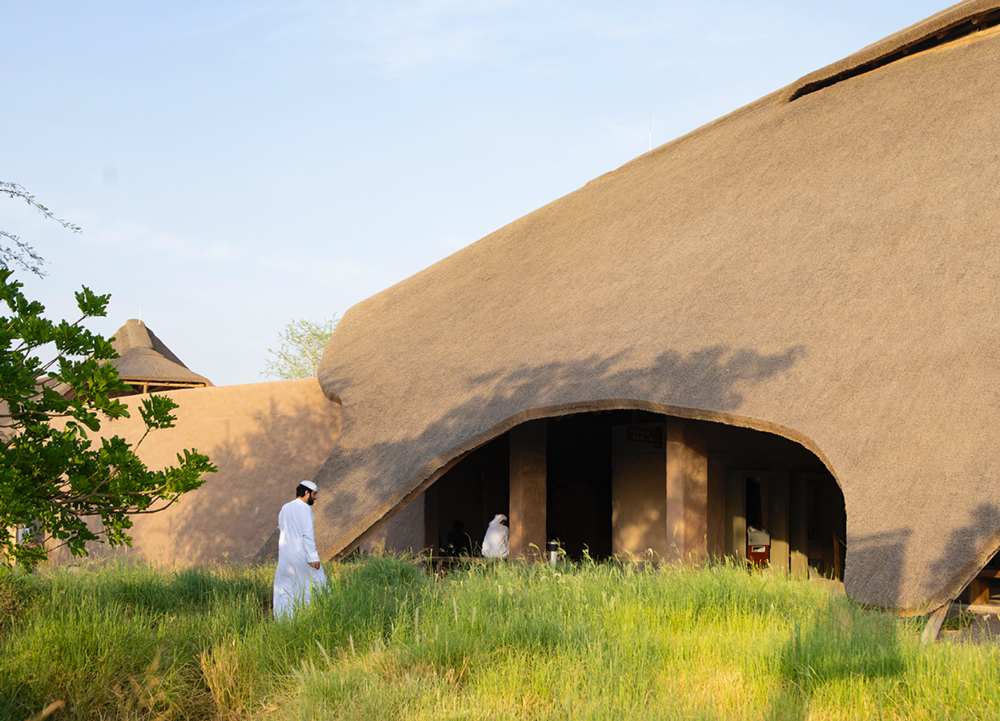
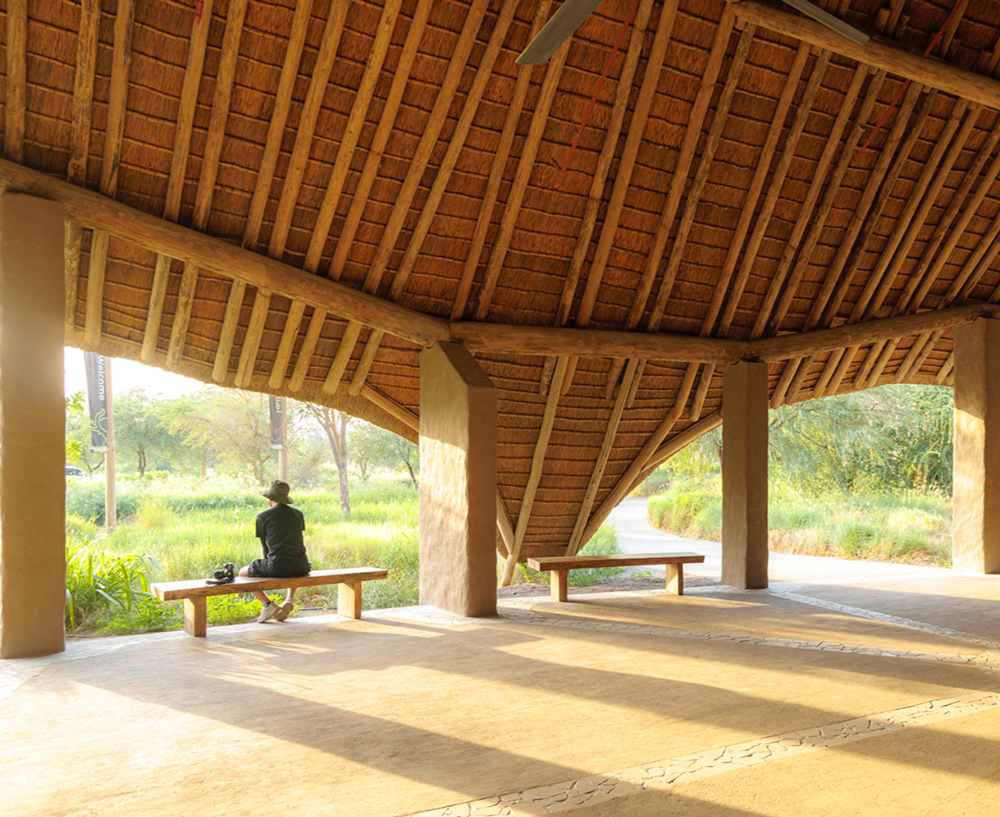
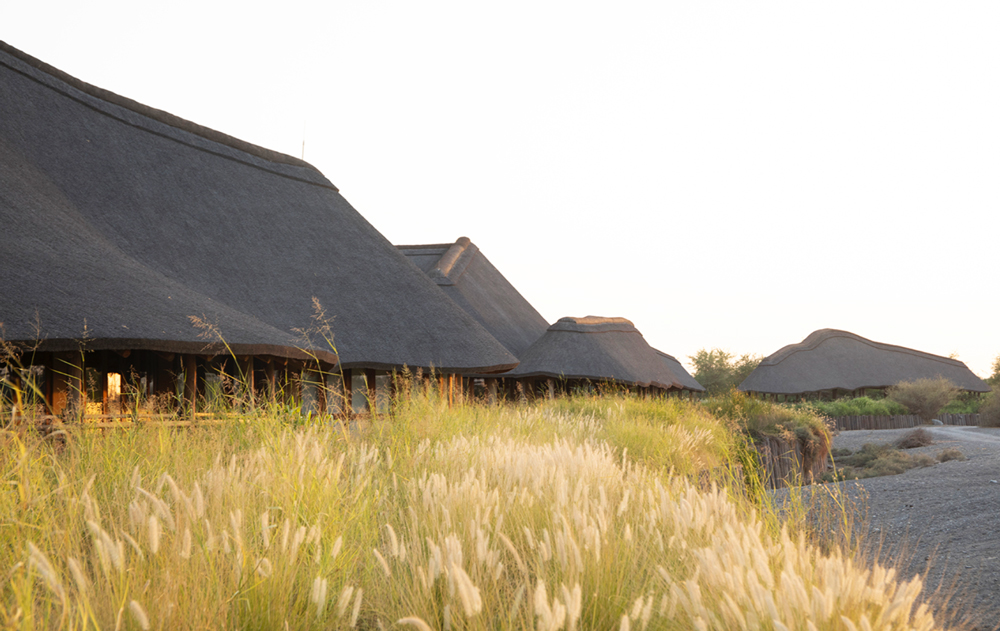
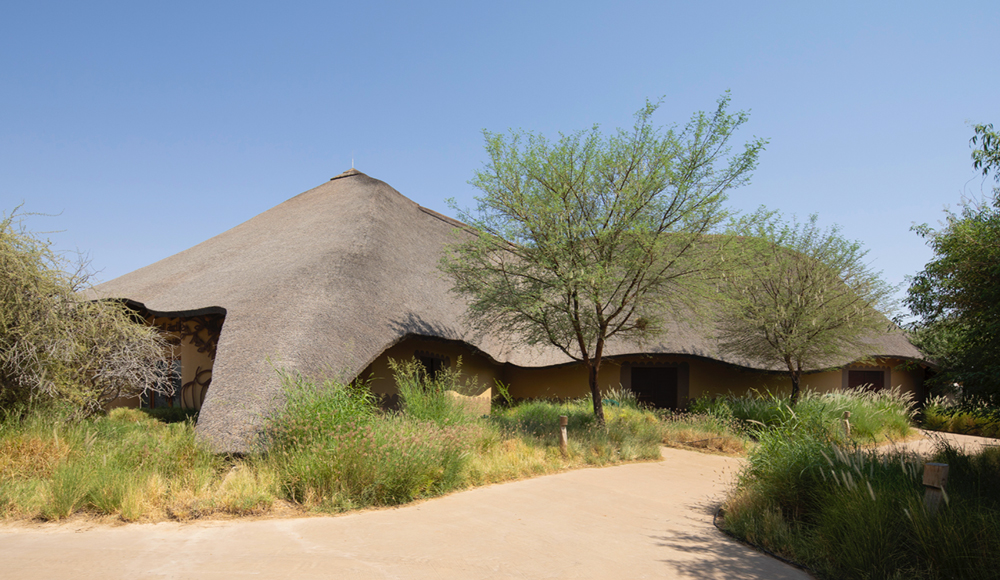
Urko Sánchez Architects—known internationally for their work across East Africa—translated these influences into a contemporary architectural language. The resulting structures appear as sculptural forms rising organically from the terrain, resembling natural organisms or “imaginary creatures” emerging from the landscape.
The project’s design team conducted extensive studies on the environmental performance of thatched roofing systems, adapting them to Sharjah’s climate to achieve both authenticity and thermal responsiveness.
Development & Investment Potential
Sharjah Bridi Park forms a key component of the wider Sharjah Safari ecosystem, a large-scale destination designed to position the emirate as a global wildlife tourism hub. The park complements safari experiences by adding educational, cultural, and visitor-support facilities.
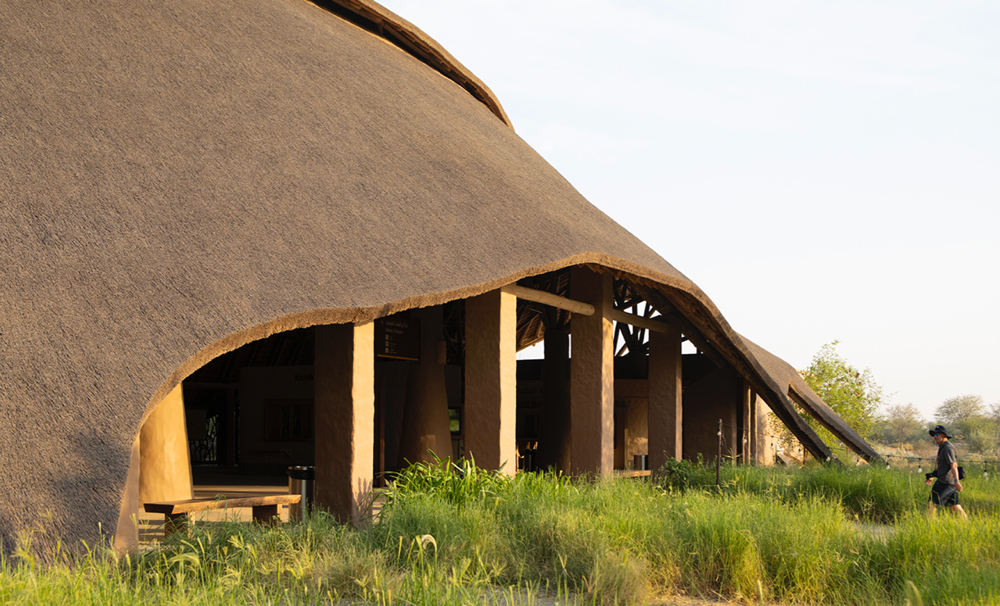
From a development perspective, the project demonstrates how architecture can enhance large-scale eco-tourism destinations through:
- Integrated visitor infrastructure
- Experiential learning environments
- High-quality design that elevates tourism value
As eco-tourism continues to grow globally, destinations that combine conservation with carefully designed public spaces are attracting increasing investment and visitor demand.
Sustainability & Innovation
Sustainability is embedded in the architectural strategy of the project. Rather than relying on heavy built mass or conventional resort typologies, the design emphasizes lightweight structures, passive environmental performance, and landscape integration.
Notable sustainability features include:
- Extensive use of natural materials and traditional construction references
- Climate-adapted thatched roofing systems for shading and cooling
- Low-profile buildings designed to blend into the terrain
- Architectural forms that encourage natural airflow and shading
- Landscape integration that preserves the surrounding ecological environment
This approach reflects a broader architectural philosophy where buildings function as part of the ecosystem rather than separate from it.
Challenges & Considerations
Developing a project within a sensitive desert ecosystem presents several challenges:
- Maintaining minimal environmental disruption during construction
- Designing structures resilient to extreme heat and desert conditions
- Integrating architecture within a protected wildlife landscape
- Ensuring visitor infrastructure does not overwhelm the natural setting
Addressing these challenges required careful site planning, environmental analysis, and the use of materials and forms that respond naturally to the climate.
Urban Impact & Legacy
Sharjah Bridi Park contributes to a growing portfolio of design-led cultural and environmental projects within the emirate. Alongside museums, cultural districts, and conservation initiatives, the project reinforces Sharjah’s reputation as a city that invests in meaningful public destinations. By merging architecture, conservation, and education, the development offers a model for future eco-tourism infrastructure across the Middle East and Africa.
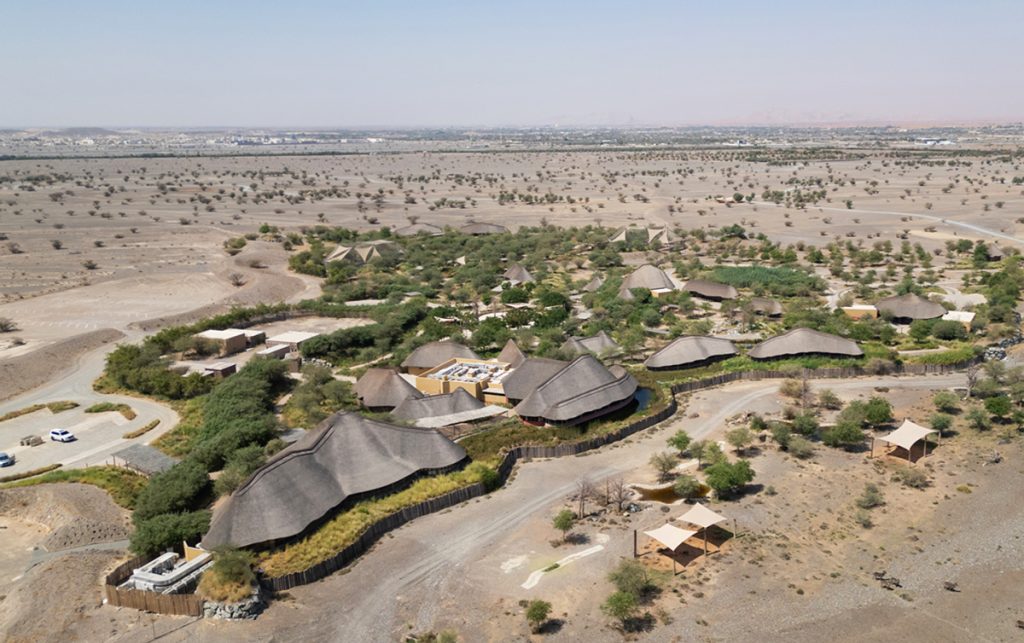
Its long-term legacy lies in demonstrating how architecture can support environmental storytelling—transforming built space into a medium through which visitors engage with ecosystems, landscapes, and wildlife conservation. The result is a cohesive architectural landscape where buildings and nature exist in dialogue, creating an immersive environment for discovery, learning, and reflection.
Project Facts & Figures
- Project: Sharjah Bridi Park
- Location: Sharjah, United Arab Emirates
- Architect: Urko Sánchez Architects
- Client: TLZ
- Completion: 2021
- Area: ~20,000 m²
- Setting: Al Bridi Reserve within the Sharjah Safari development
- Function: Visitor infrastructure, education facilities, and research-oriented public spaces
- Design Concept: Organic architecture inspired by African vernacular building traditions integrated with desert landscape
- Photography: Arch-Exist