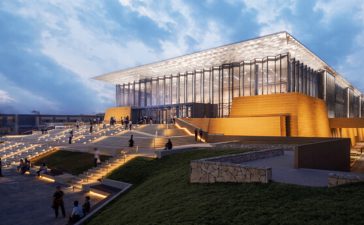
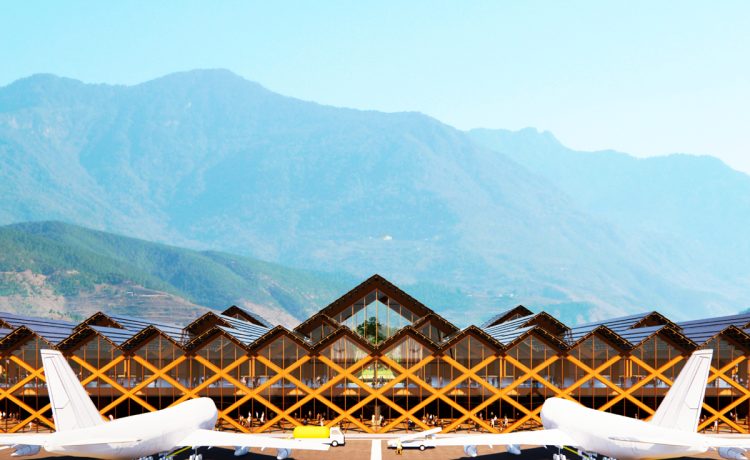
Bhutan is reshaping its aviation future with the development of Gelephu International Airport, the Kingdom’s second international gateway and one of its most ambitious infrastructure projects to date. Planned to open in 2029, the airport is positioned as both a functional transport hub and a cultural landmark, aligning national connectivity goals with Bhutan’s long-standing commitment to environmental stewardship and Gross National Happiness.
Vision & Strategic Positioning
Gelephu International Airport is central to Bhutan’s long-term strategy to diversify access, ease pressure on Paro International Airport, and strengthen regional connectivity with South Asia and beyond. Located near the southern border with India, the site benefits from flatter terrain, allowing for longer runways, expanded aircraft types, and more resilient operations compared to Bhutan’s existing high-altitude airport infrastructure.
Beyond aviation, the airport is a foundational pillar of the Gelephu Mindfulness City initiative, envisioned as a future-oriented economic and cultural zone that blends urban development, wellness, education, and sustainable industry.
Master Plan & Core Components
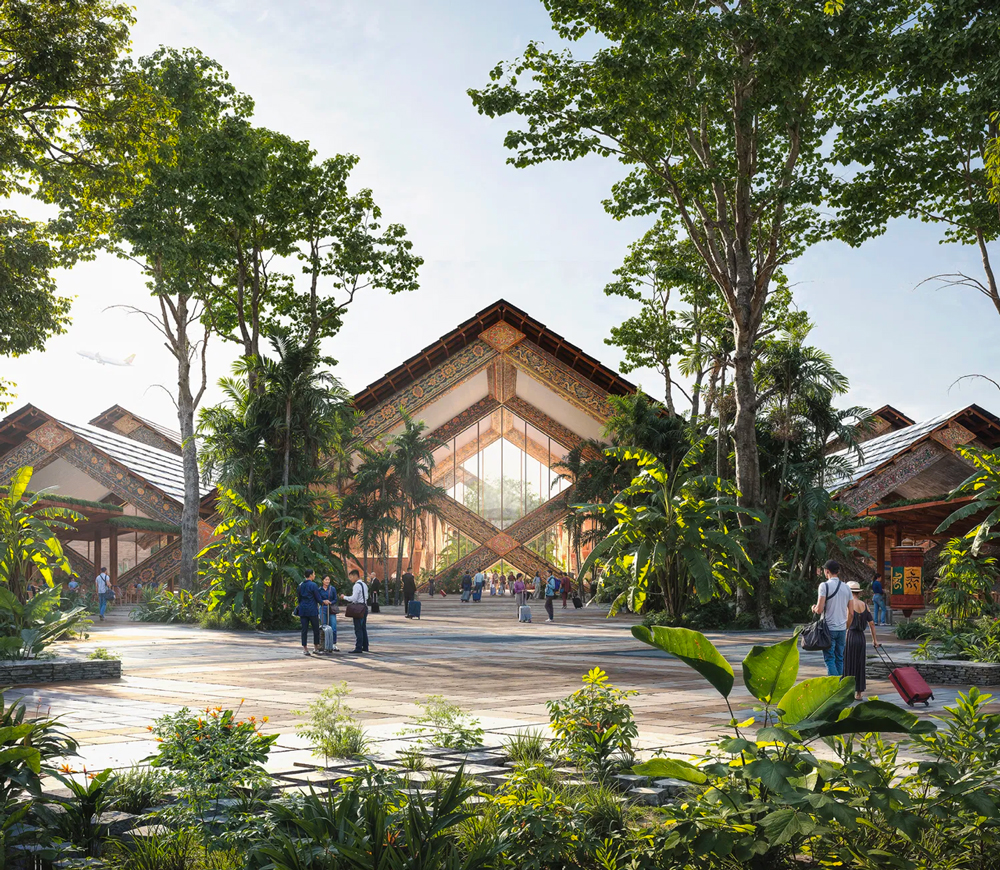
The airport is designed by Bjarke Ingels Group (BIG), working alongside global aviation planning and engineering specialists, including NACO, with close coordination from Bhutanese authorities and local crafts communities. The design merges international airport functionality with Bhutanese architectural language.

Key elements include:
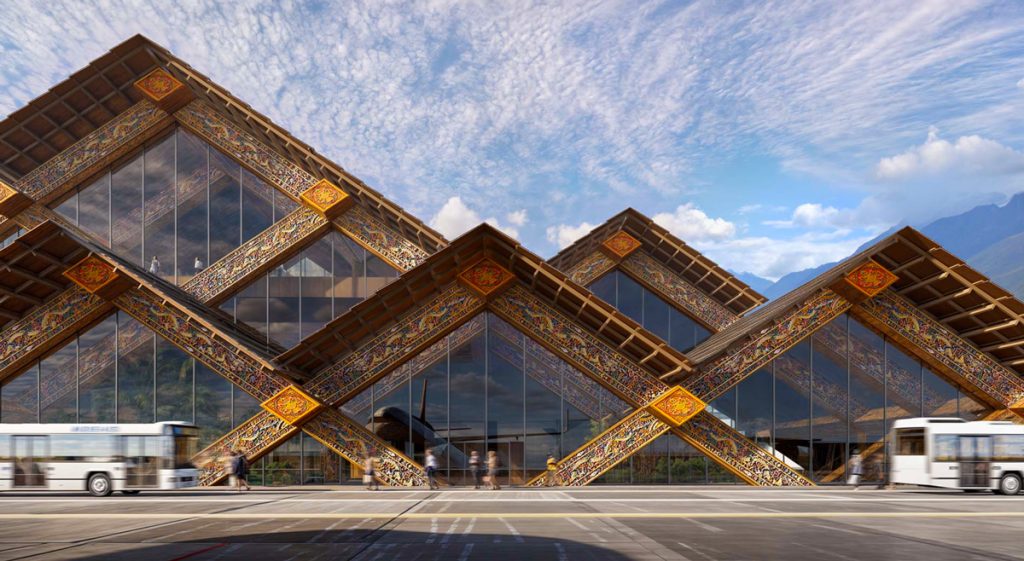
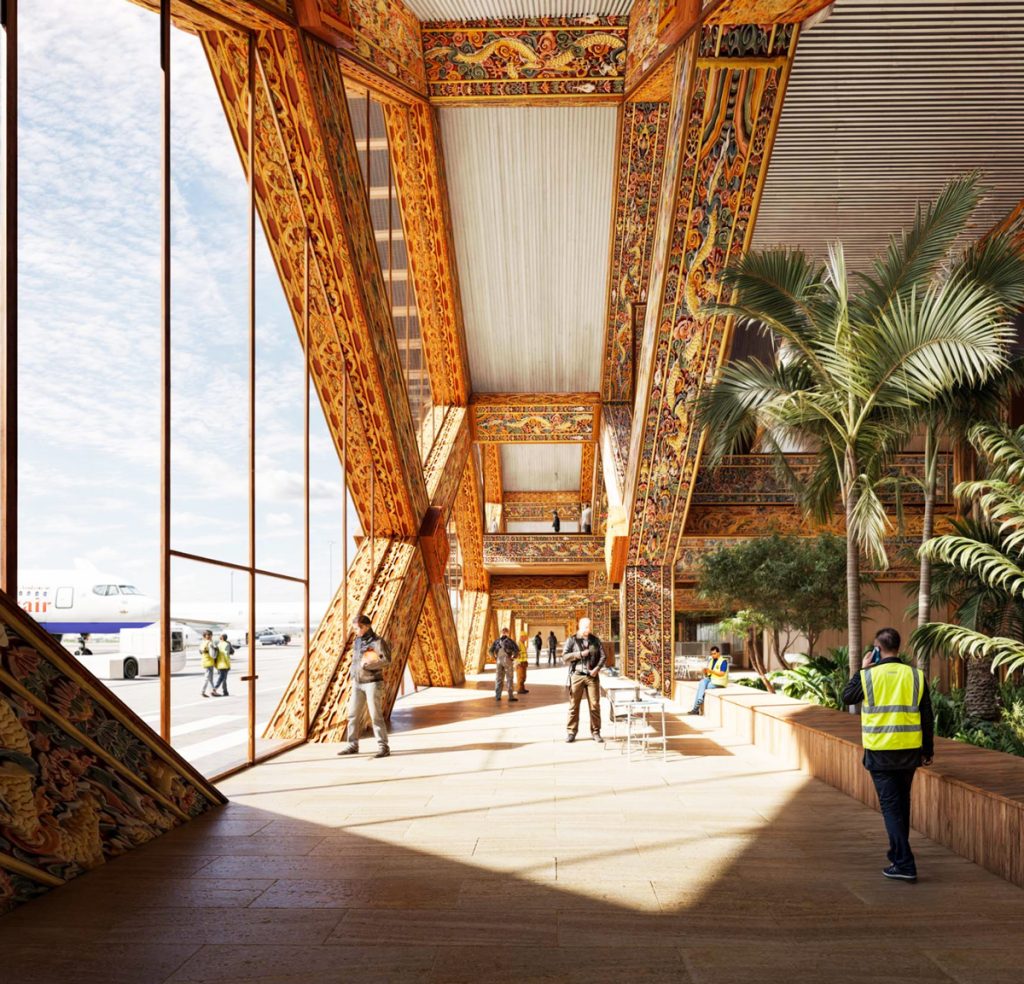
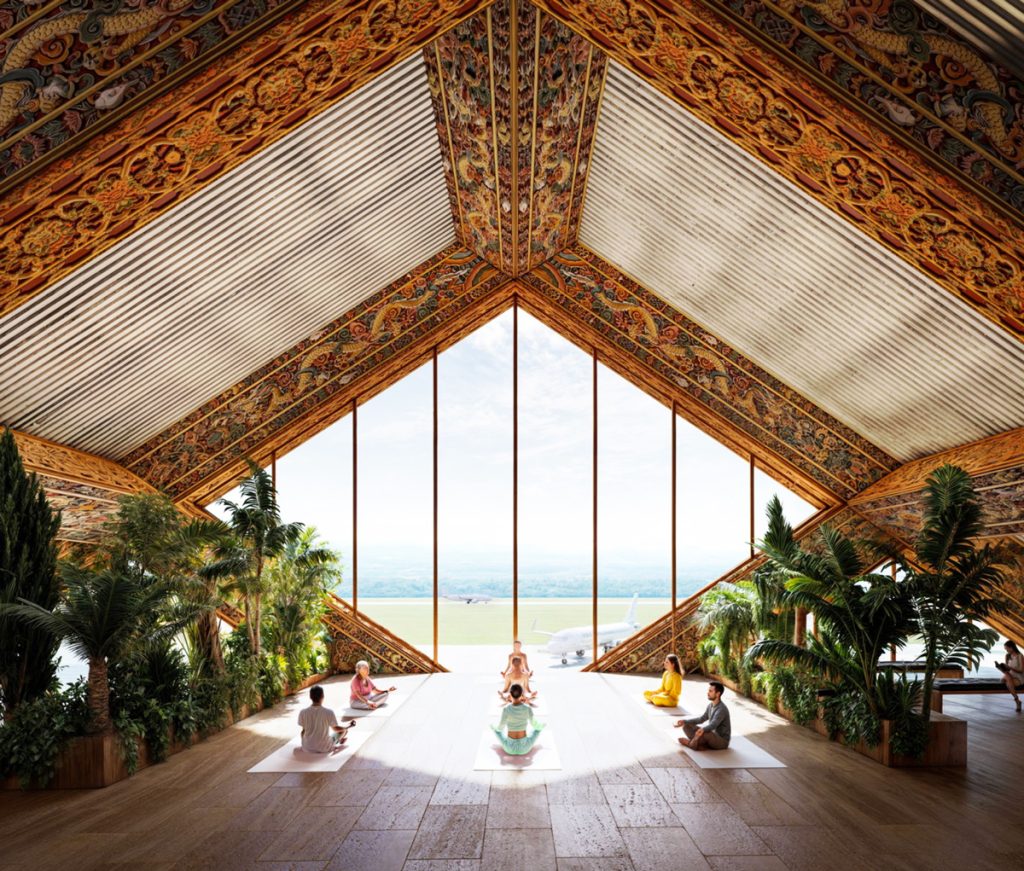
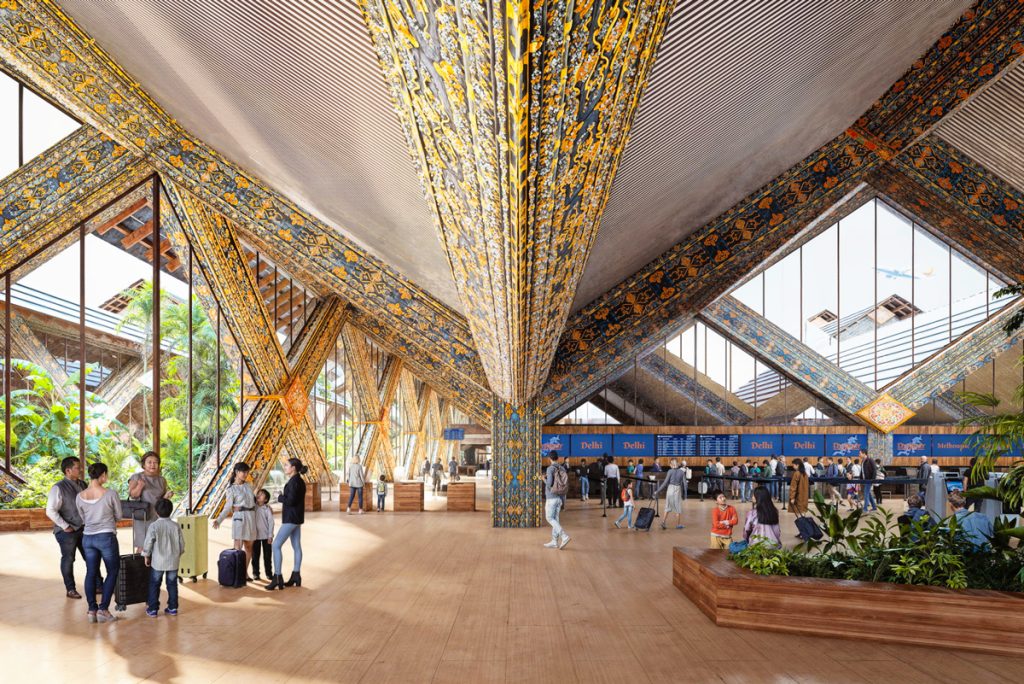
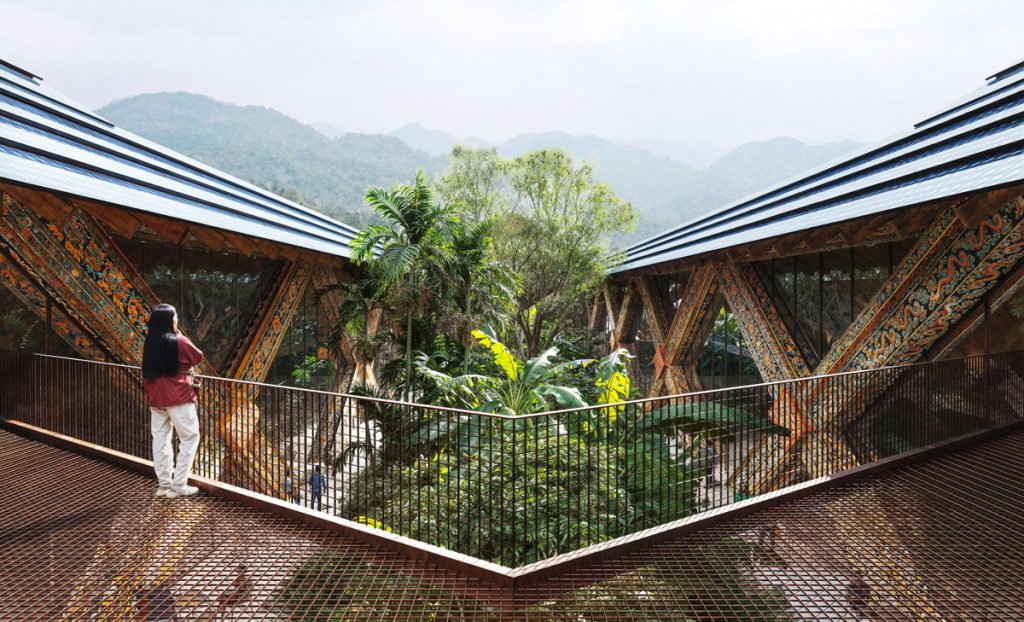
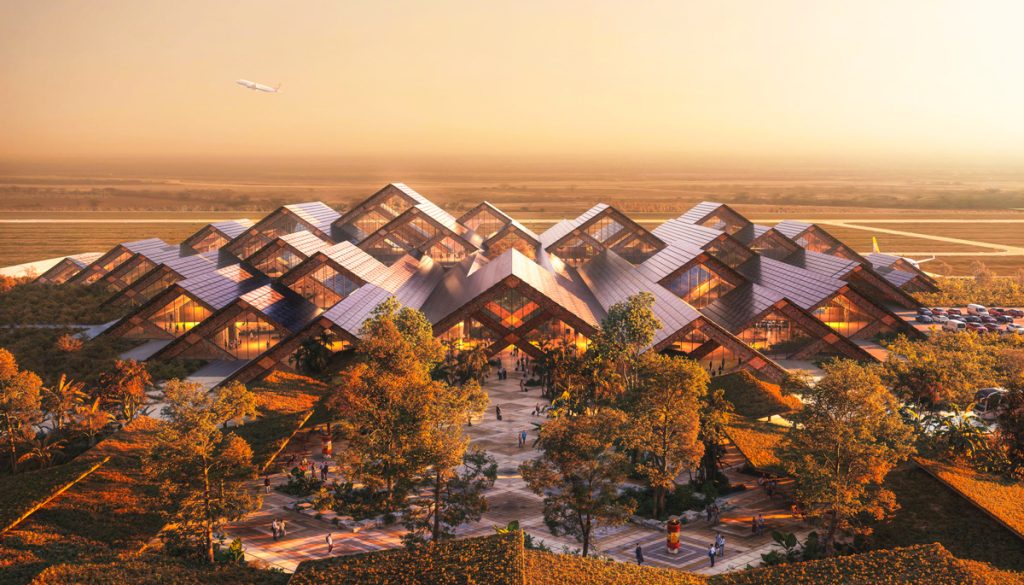
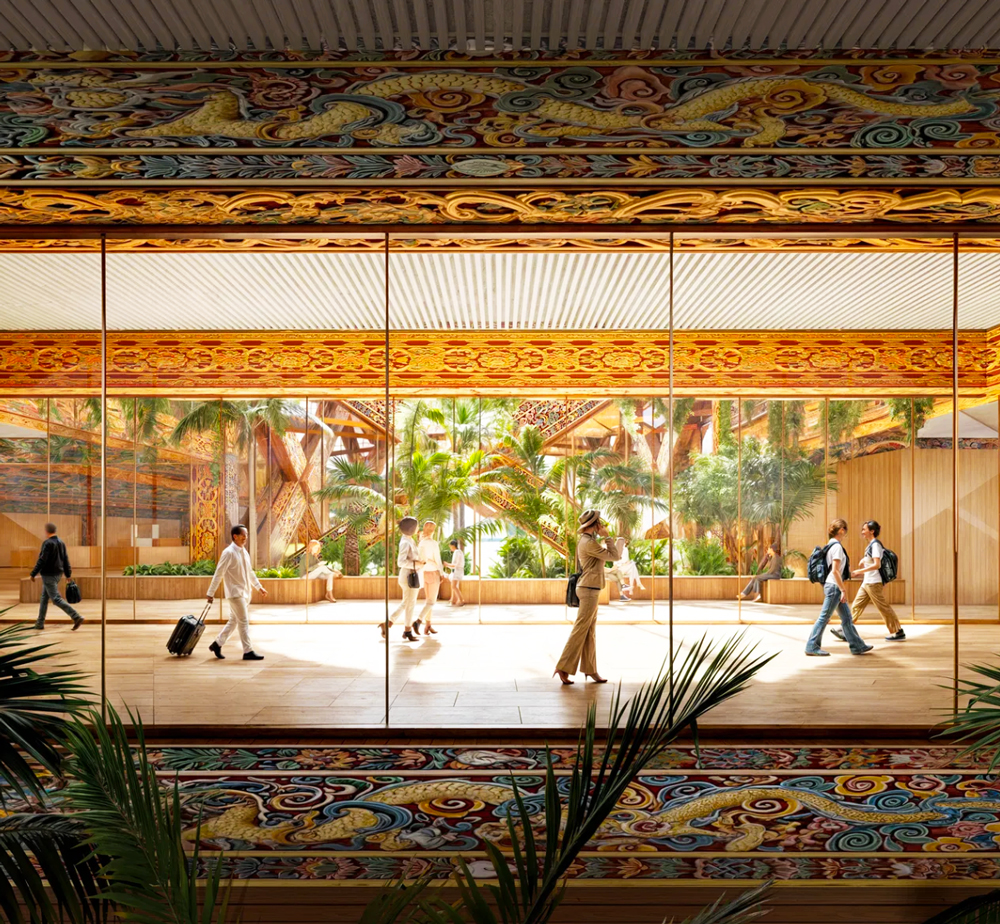
- A modular mass-timber terminal structure incorporating traditional Bhutanese wood craftsmanship
- A distinctive roof and façade system inspired by Bhutanese symbolism, including dragon motifs representing continuity and protection
- A central interior “forest spine” that organizes passenger movement while introducing daylight, greenery, and natural ventilation
- Dedicated wellness and quiet spaces, including areas designed for meditation and reflection
- Integrated ground transport facilities linking air travel with future urban transit systems serving Gelephu Mindfulness City
Rather than prioritizing scale alone, the master plan emphasizes clarity, calm circulation, and a sense of place from arrival to departure.
Development & Investment Potential
As Bhutan’s first purpose-built international airport on low-elevation terrain, Gelephu represents a step change in national infrastructure capacity. Initial projections indicate the airport will support over a hundred daily flight movements in its early years, with long-term passenger growth expanding steadily over coming decades.
The project is expected to:
- Unlock new tourism flows while supporting Bhutan’s high-value, low-impact tourism model
- Improve air cargo and logistics capabilities for southern Bhutan
- Anchor commercial, hospitality, and mixed-use development within Gelephu Mindfulness City
- Strengthen Bhutan’s economic integration with India and wider regional markets
Sustainability & Innovation
Sustainability is embedded at both the architectural and operational levels. The airport is designed to align with Bhutan’s carbon-negative status through:
- Extensive use of locally sourced and renewable building materials
- Integrated photovoltaic systems within the roof structure
- Passive cooling, shading, and natural ventilation strategies
- Landscape design that reflects native ecosystems and reduces long-term water demand
Operational planning also emphasizes efficiency, resilience, and long-term adaptability rather than short-term capacity maximization.
Challenges & Considerations
Despite its advantages, the project faces several considerations:
- Managing construction logistics and materials sourcing in a landlocked country
- Balancing increased accessibility with Bhutan’s carefully managed tourism policies
- Ensuring long-term operational viability without compromising environmental goals
- Coordinating phased expansion in line with demand rather than speculative growth
Addressing these challenges will be critical to maintaining alignment between national values and infrastructure ambition.
Urban Impact & Legacy
Gelephu International Airport is more than an aviation project; it is a statement of how Bhutan intends to engage with the world. By integrating culture, wellness, and sustainability into a major piece of national infrastructure, the airport sets a new benchmark for mindful development in the region.
Its long-term legacy will be defined not only by passenger numbers, but by how effectively it supports balanced urban growth, preserves cultural identity, and reinforces Bhutan’s unique development philosophy. The airport represents a rare convergence of architecture, policy, and purpose — a gateway designed not to overwhelm, but to welcome thoughtfully.

Project Facts & Figures
- Project: Gelephu International Airport
- Location: Gelephu, Southern Bhutan
- Status: Under development
- Planned Opening: 2029
- Architect: Bjarke Ingels Group (BIG)
- Aviation Planning: NACO
- Role: Bhutan’s second international airport
- Associated Development: Gelephu Mindfulness City
- Key Materials: Mass timber, locally sourced materials
- Core Themes: Cultural identity, sustainability, mindful travel, regional connectivity