Set within Exposition Park, the Lucas Museum of Narrative Art represents a new generation of cultural institutions designed to celebrate visual storytelling across time, cultures, and media. Founded by George Lucas and Mellody Hobson, the museum is dedicated to narrative art in all its forms—from classical illustration and painting to comics, photography, and cinematic concept art—positioning Los Angeles as a global center for the study and experience of visual narrative.
Vision & Strategic Positioning
The museum’s core vision is to legitimize and elevate narrative art as a central pillar of cultural history, rather than a niche or secondary category within fine art. By focusing on storytelling as a universal human language, the institution aims to appeal to diverse audiences across age, background, and artistic interest.
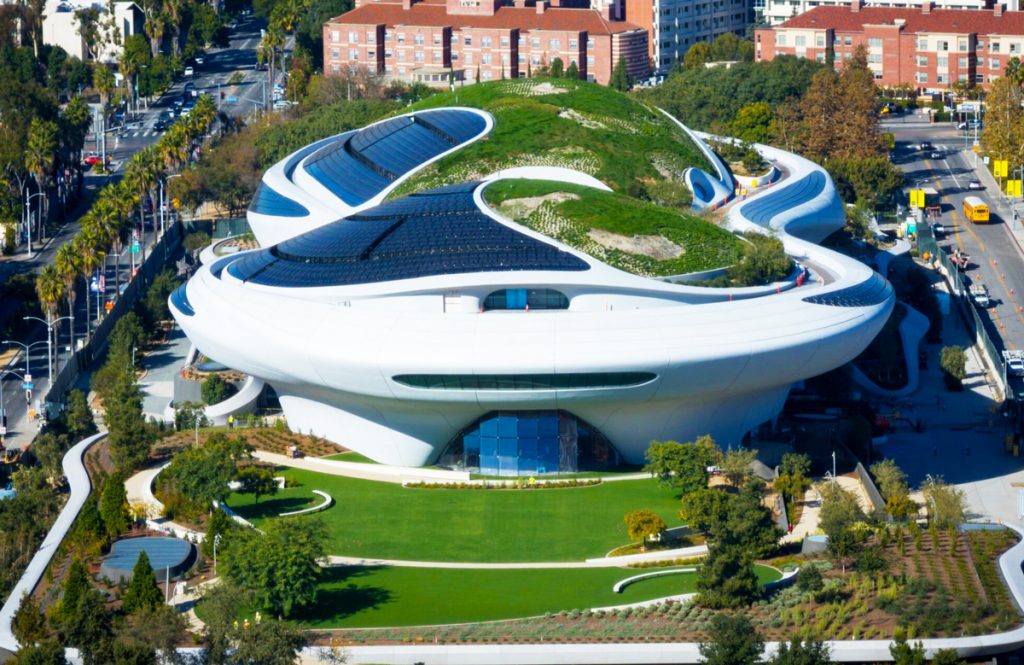
Strategically, its placement in Exposition Park aligns it with neighboring cultural anchors such as major science and natural history institutions, creating a multi-disciplinary cultural district that blends education, creativity, and public engagement. For international visitors from regions such as the Middle East, Europe, and Asia, the museum adds a distinctive, contemporary layer to Los Angeles’s already strong creative identity.
Master Plan & Core Components
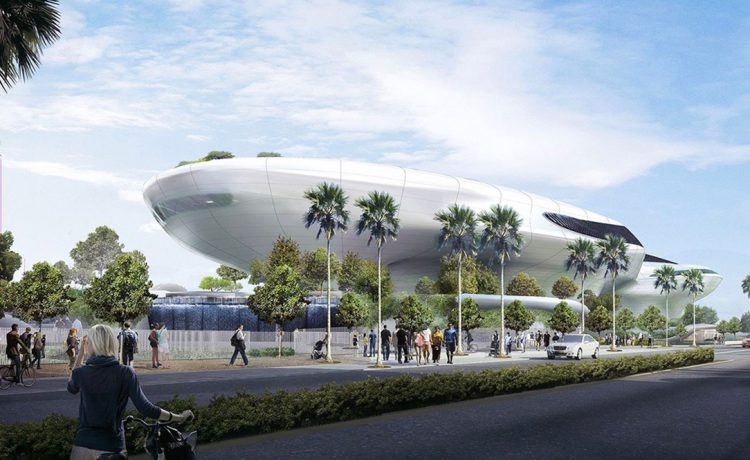
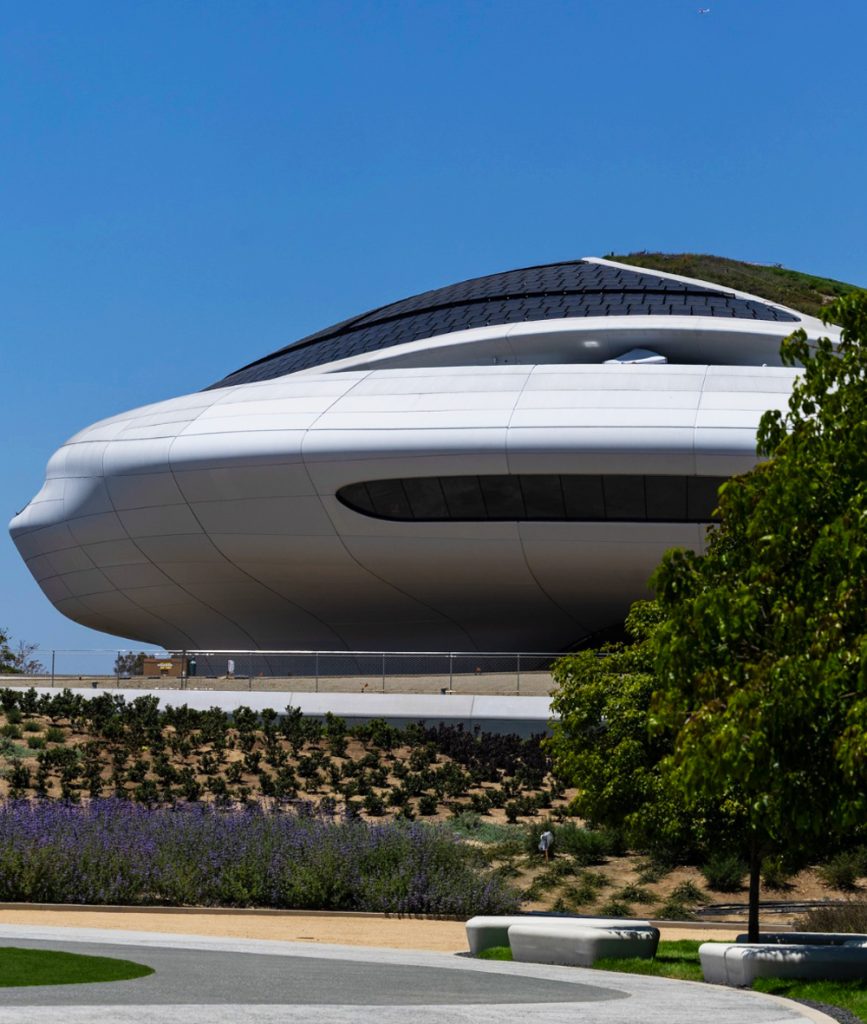
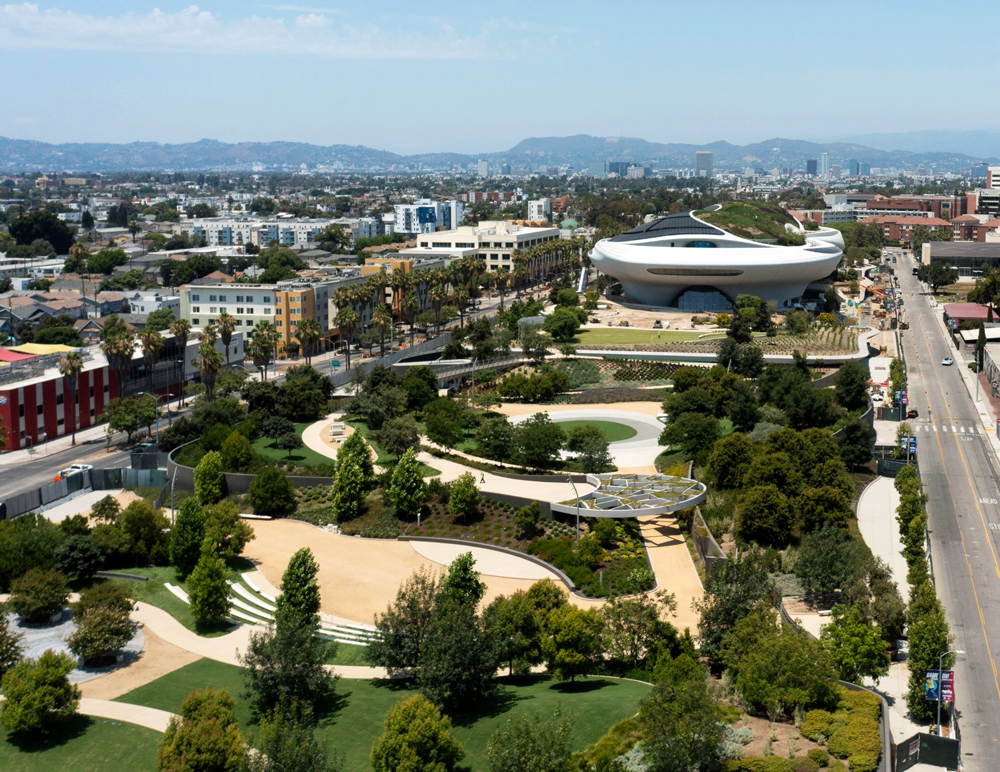
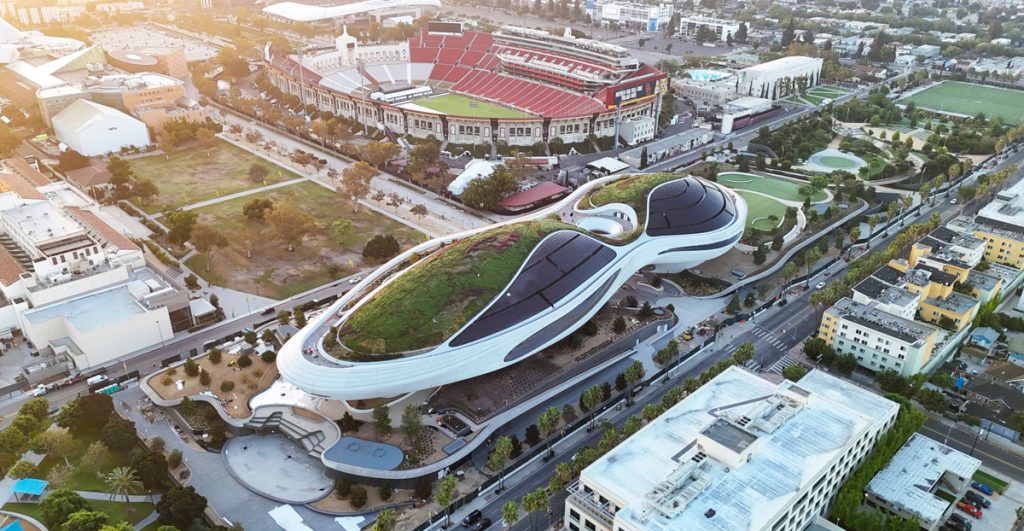
The museum occupies a multi-acre site that transforms previously underutilized land into a landscaped cultural campus. The building is designed as a sculptural, elevated form that appears to hover above the ground, creating shaded public space beneath and encouraging continuous movement between indoor and outdoor environments.
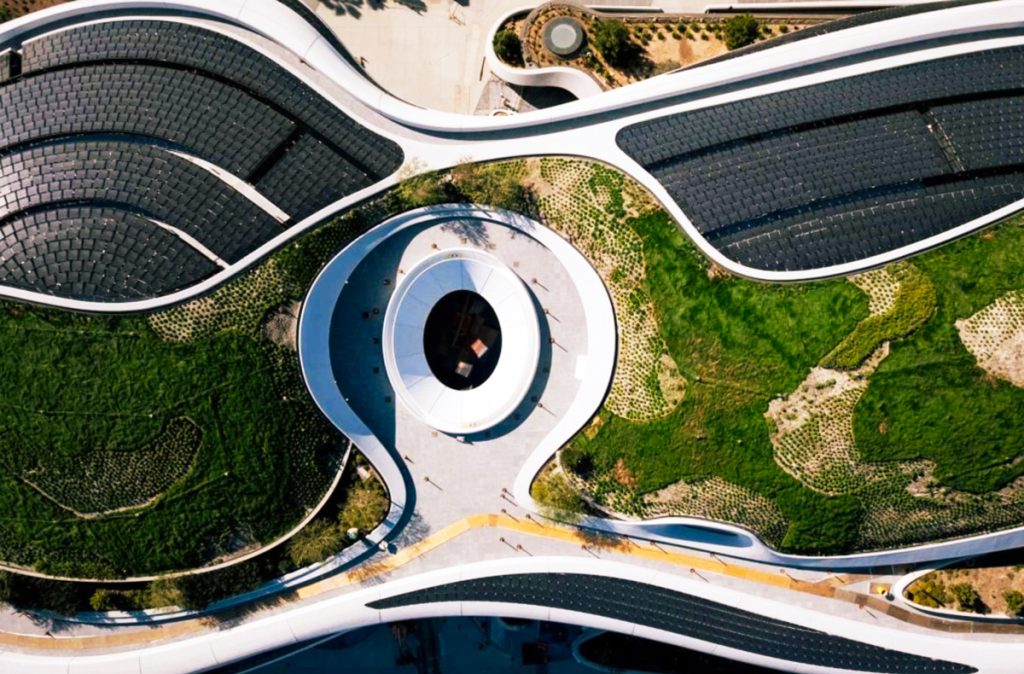
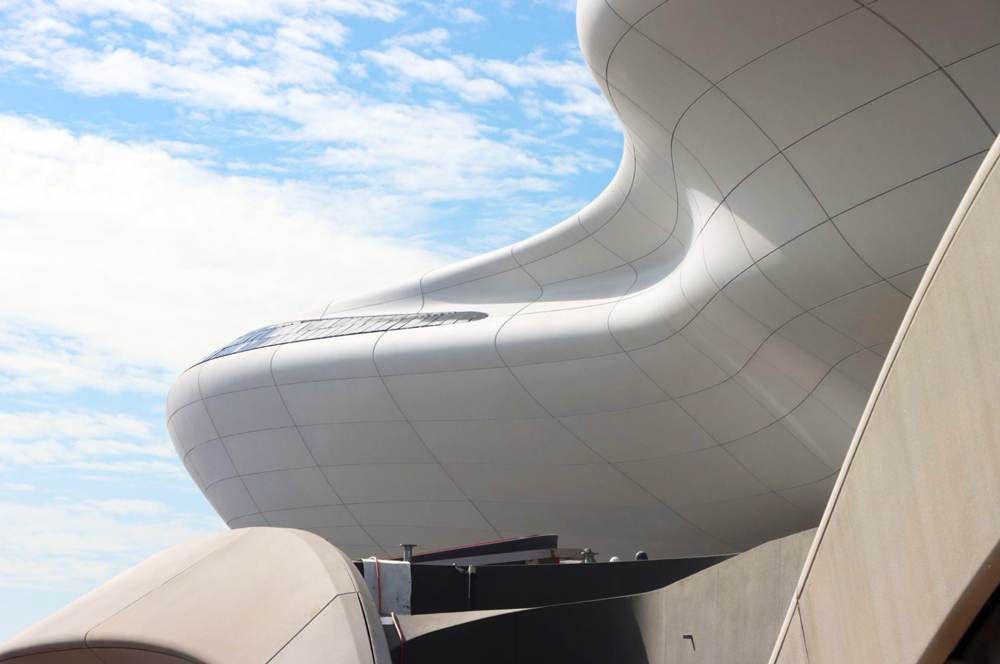
The project is led by MAD Architects, founded by Ma Yansong, known for organic, futuristic architectural forms. The development team worked closely with cultural planners, exhibition designers, and landscape architects to integrate galleries, public plazas, and parkland into a unified experience, rather than a stand-alone building.
Core components include:
- Approximately 300,000 square feet of total built space
- Roughly 100,000 square feet of gallery areas across multiple levels
- More than 30 exhibition galleries designed for rotating and permanent collections
- Two large-format theaters for film screenings and storytelling-focused programming
- Education studios, workshops, and community learning spaces
- Library, café, restaurant, and museum retail integrated into visitor circulation
- Landscaped gardens, shaded walkways, and open civic gathering zones
The layout prioritizes flexible exhibition design, allowing curators to blend traditional fine art with digital media, film artifacts, and immersive installations.
Development & Investment Potential
Unlike many cultural megaprojects, the Lucas Museum is privately funded through philanthropic investment, reducing financial exposure for public authorities while delivering significant civic infrastructure. The long-term economic impact is expected to extend beyond ticket revenues into tourism, hospitality, and adjacent mixed-use development.
Key development advantages include:
- Increased foot traffic to the Exposition Park cultural corridor
- Spillover demand for nearby dining, retail, and short-stay accommodations
- Job creation across operations, programming, and facility management
- Long-term branding value for Los Angeles as a global creative capital
For urban development observers in regions such as Saudi Arabia and the UAE, the project serves as a reference model for privately funded cultural anchors integrated into public urban frameworks.
Sustainability & Innovation
Environmental performance was embedded into the design strategy, with the building envelope and landscape working together to reduce heat gain and improve energy efficiency. The elevated structure enhances airflow beneath the building, while rooftop systems support energy generation and stormwater management.
Sustainability measures include:
- High-performance exterior cladding with thermal efficiency
- Green roof systems contributing to insulation and biodiversity
- Solar energy integration supporting building operations
- Native and drought-tolerant landscaping to reduce water demand
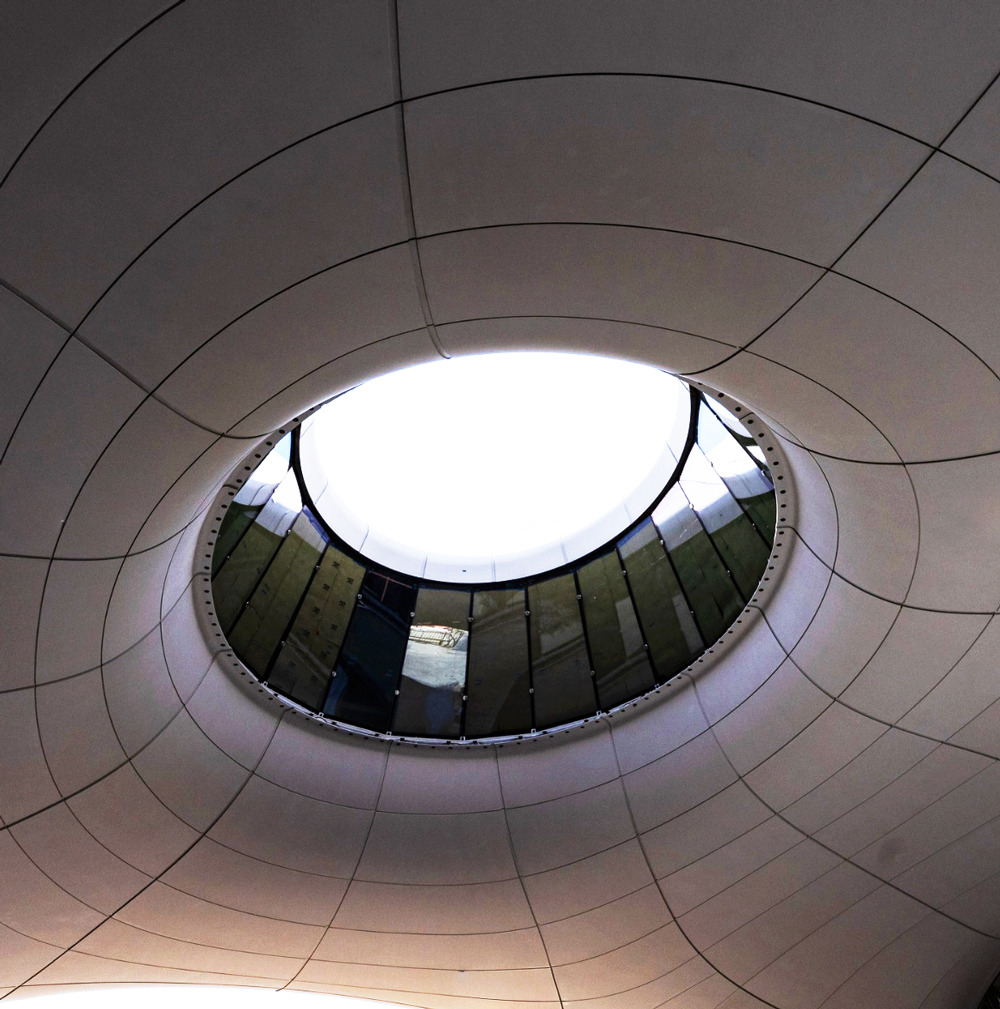
- Daylighting strategies that reduce reliance on artificial lighting in public areas
Beyond environmental metrics, the museum also positions innovation through curatorial technology, digital interpretation tools, and immersive exhibition formats that adapt to evolving storytelling platforms.
Challenges & Considerations
As with many high-profile cultural developments, the project faced extended timelines and design evolution, largely driven by site selection changes and regulatory processes. Ensuring long-term operational sustainability will require consistent programming quality, rotating exhibitions, and educational relevance to maintain repeat visitation.
Additional considerations include:
- Managing peak visitor flows during major exhibitions and events
- Balancing blockbuster programming with scholarly and educational content
- Ongoing maintenance of complex architectural surfaces and systems
- Integrating community access with global tourism demand
Long-term success will depend on maintaining relevance beyond its founding collection, ensuring the museum evolves alongside contemporary narrative media.
Urban Impact & Legacy
The Lucas Museum adds a highly distinctive architectural landmark to Los Angeles’s skyline and strengthens Exposition Park as a cultural nucleus rather than a single-purpose museum zone. By emphasizing narrative art, it broadens the definition of what belongs in major museums, opening doors for illustration, graphic storytelling, and cinematic design to sit alongside traditional fine art.
Its legacy is likely to extend into:
- Education pipelines for creative industries
- Greater institutional recognition of popular and mass-culture art forms
- New standards for museum architecture that prioritizes public realm integration
- Expanded cultural tourism appeal for international visitors
Over time, the museum may become as influential for visual storytelling as major film studios have been for cinematic production in the region.
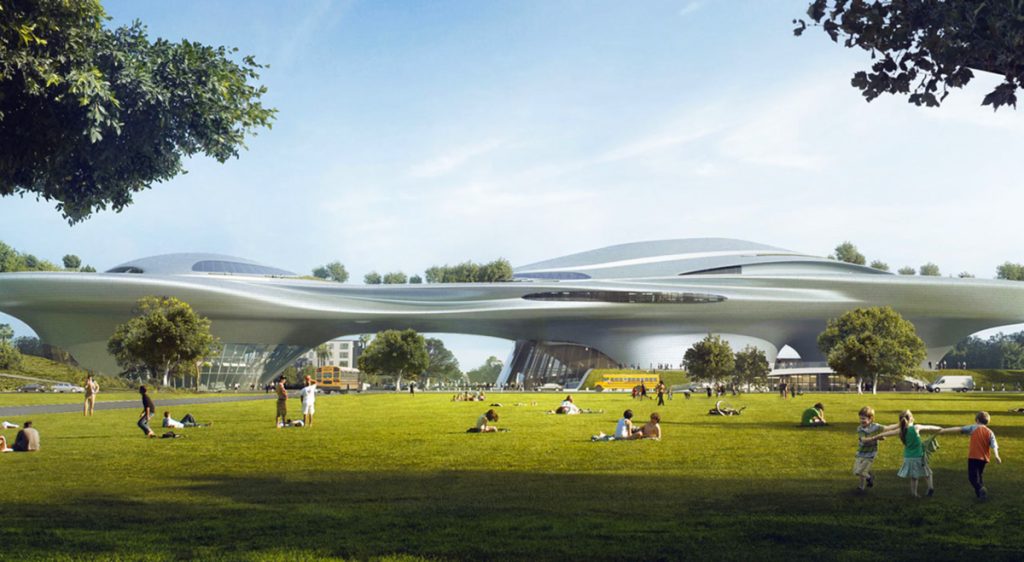
The Lucas Museum of Narrative Art is not only an exhibition venue, but a statement about how culture is experienced, taught, and shared. By placing storytelling at the heart of its mission, it reframes museums as dynamic narrative spaces rather than static repositories, setting a precedent for future cultural developments worldwide.
Project Facts & Figures
- Project Name: Lucas Museum of Narrative Art
- Location: Exposition Park, Los Angeles, California, USA
- Founders: George Lucas and Mellody Hobson
- Architect: MAD Architects (Ma Yansong)
- Total Built Area: Approx. 300,000 sq ft
- Gallery Space: Approx. 100,000 sq ft
- Exhibition Galleries: 30+
- Key Facilities: Theaters, education studios, library, dining, retail, landscaped public spaces
- Funding Model: Privately funded cultural institution
- Primary Focus: Narrative art across illustration, painting, photography, comics, and cinematic media