Maison Heler is a striking addition to Metz’s contemporary architectural landscape, blending hospitality, storytelling, and conceptual design into a single built statement. Conceived by Philippe Starck and opened in 2025, the project moves beyond the traditional hotel model, positioning itself as a narrative-driven architectural object that merges fiction with function.
At the heart of the concept is the imagined character Manfred Heler, an eccentric inventor whose fictional life forms the emotional and creative foundation of the building. Starck developed the story specifically for the project, using narrative as a design tool to guide everything from massing and materials to interior atmospheres and spatial sequencing.
Vision & Strategic Positioning
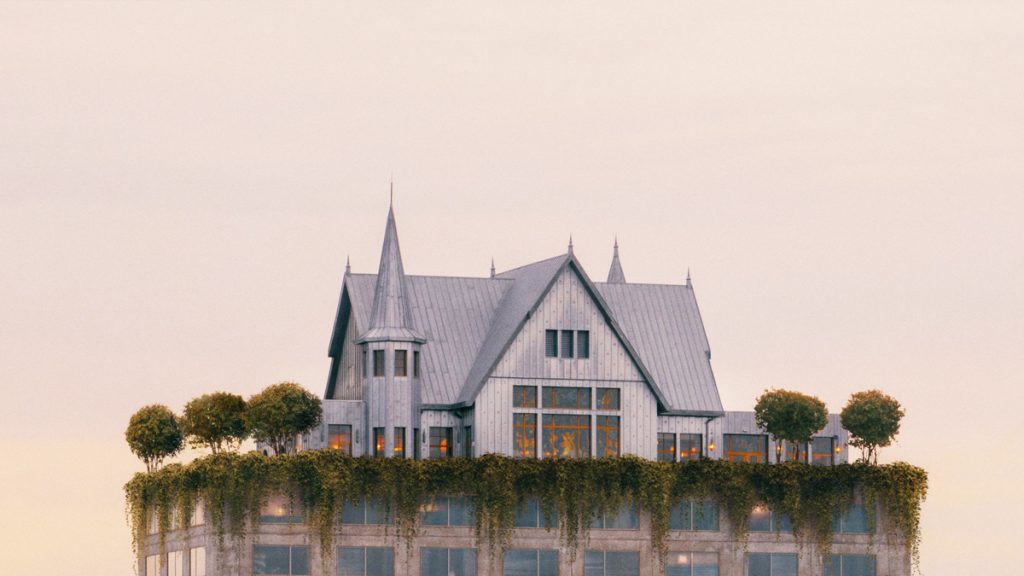
Maison Heler was envisioned as an architectural provocation—one that challenges the conventions of urban hospitality while reinforcing Metz’s reputation as a city open to bold cultural expression. Rather than blending quietly into its surroundings, the project asserts itself as a landmark destination, attracting visitors drawn as much by design and curiosity as by accommodation.
Strategically located in the Amphithéâtre district, the hotel sits within walking distance of major cultural institutions and transport connections, positioning it as a gateway for both leisure travelers and design-focused visitors exploring northeastern France and the broader European cultural corridor.
Master Plan & Core Components
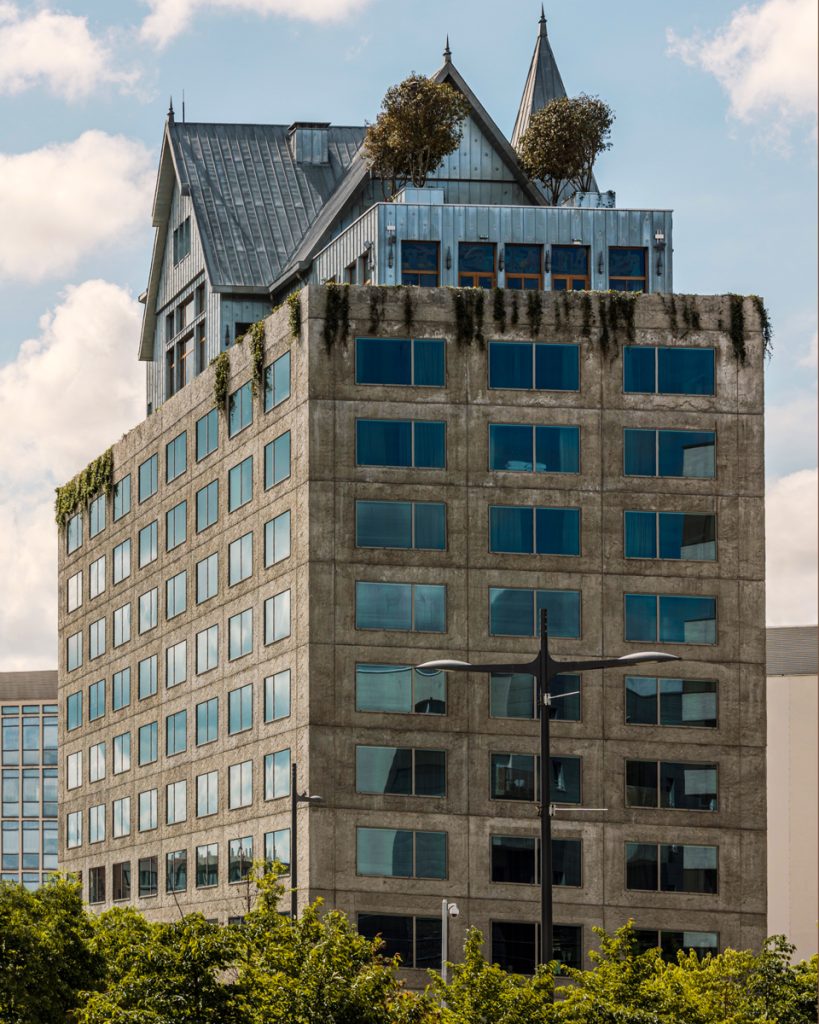
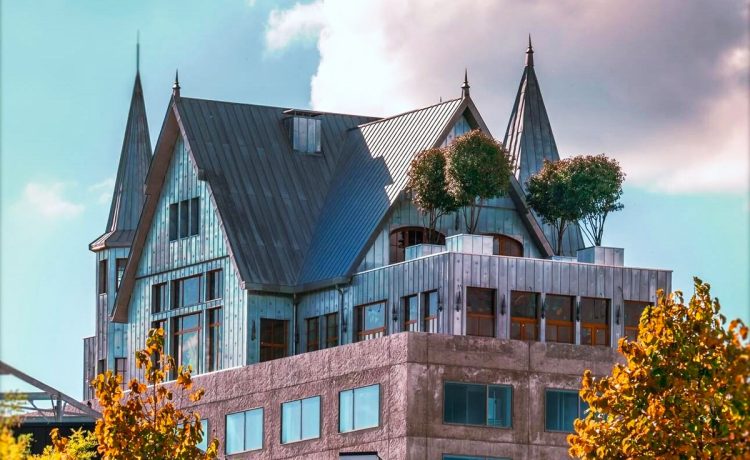
The building is defined by its dramatic contrast in form. A monolithic, nine-story concrete base rises from the street with restrained, modern rigor. Crowning this structure is the project’s defining gesture: a traditional 19th-century Lorraine-style house seemingly placed on the roof, creating an immediate sense of visual tension and surrealism.
This rooftop house is not symbolic alone—it is fully functional, housing the hotel’s signature restaurant and event spaces. The juxtaposition between the grounded modern base and the elevated historic form embodies the project’s core theme of displacement, memory, and imagination.
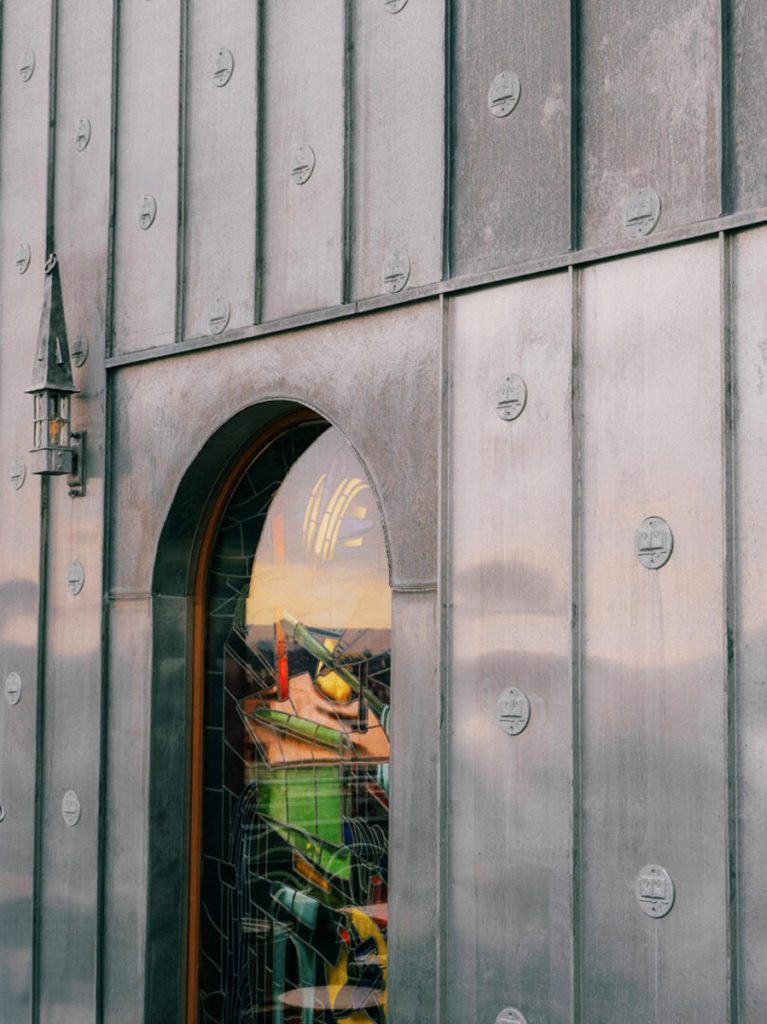
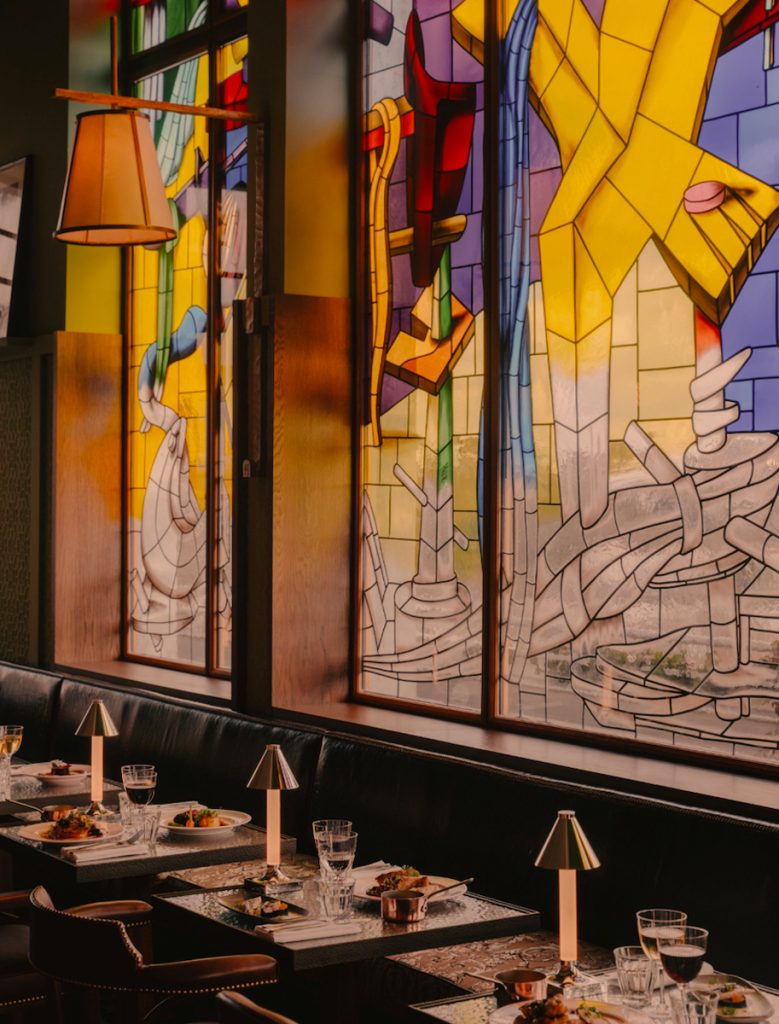
Maison Heler comprises 104 guest rooms and suites, alongside dining venues, lounges, and social spaces. Philippe Starck led the design vision, with his studio overseeing architecture, interiors, furniture, and custom details to ensure narrative consistency throughout the project.
Design Language & Interiors

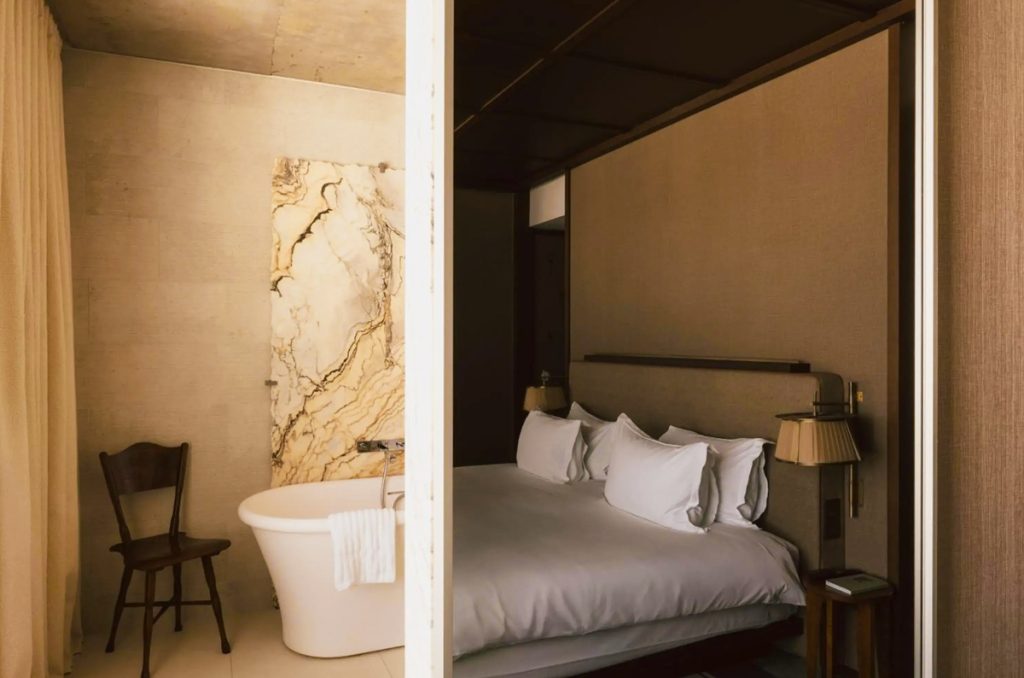
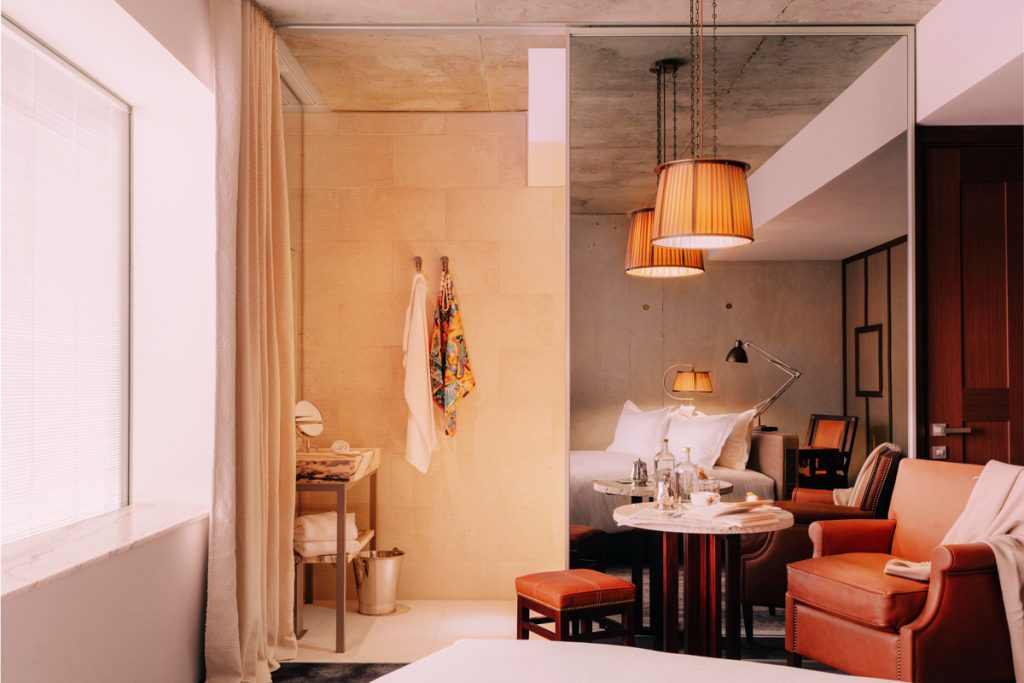
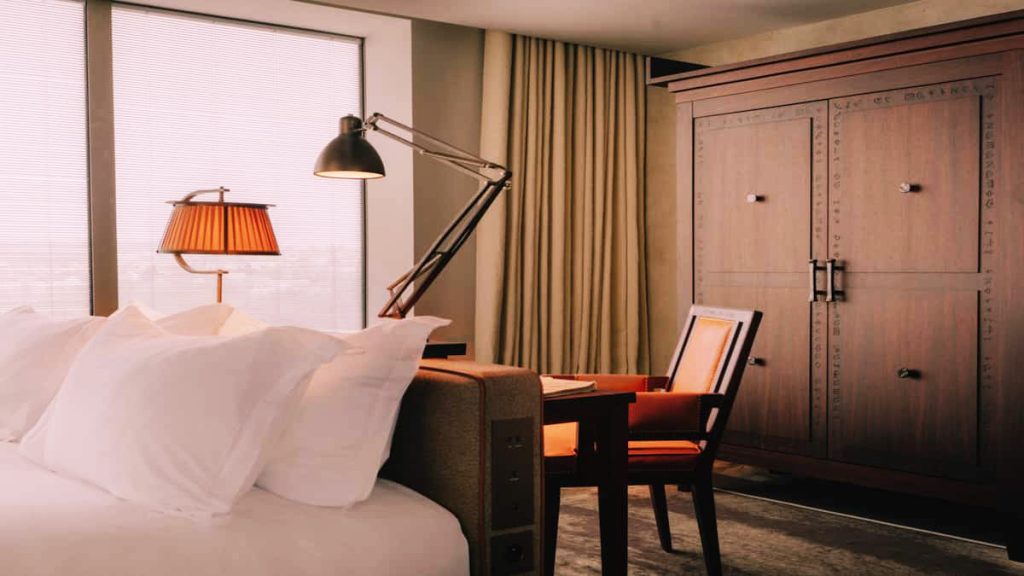
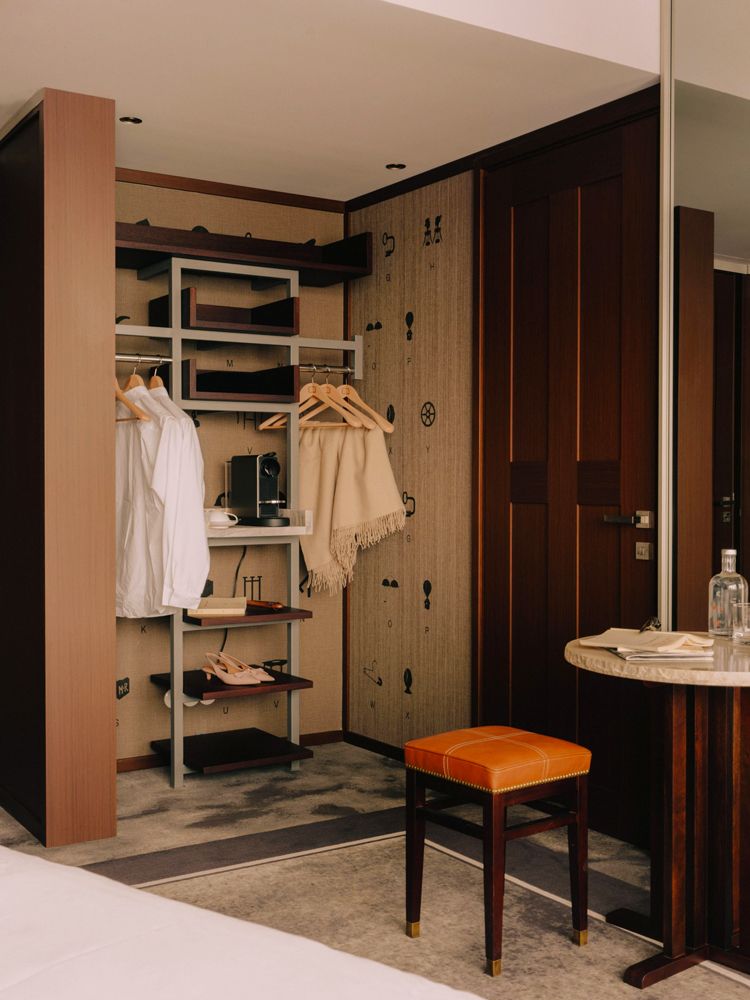
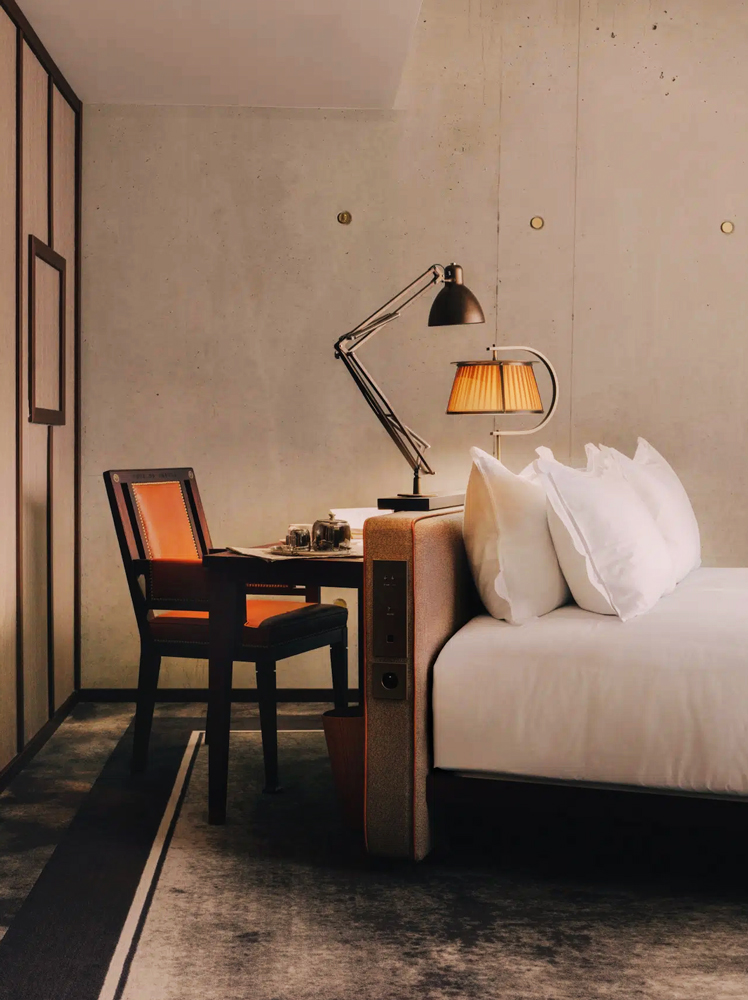
Interiors are intentionally restrained yet expressive. Guest rooms favor a palette of concrete, stone, leather, and muted textiles, creating calm, functional environments that contrast with the building’s more theatrical exterior gesture. Subtle symbolic references—etched motifs, sculptural lighting, and carefully placed objects—reward attentive observation without overwhelming the space.
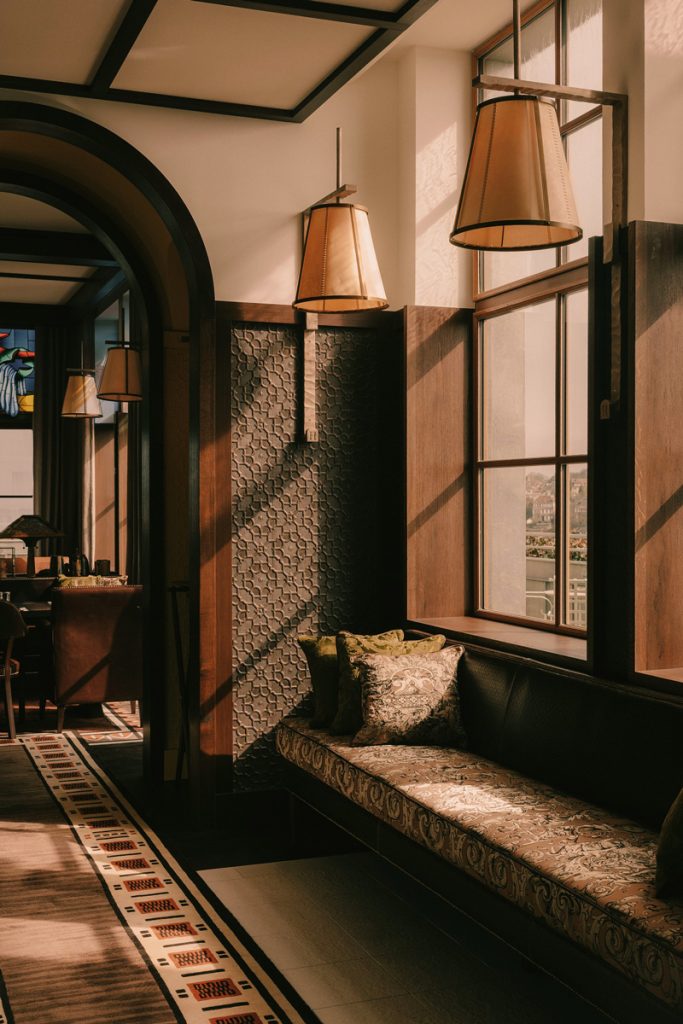
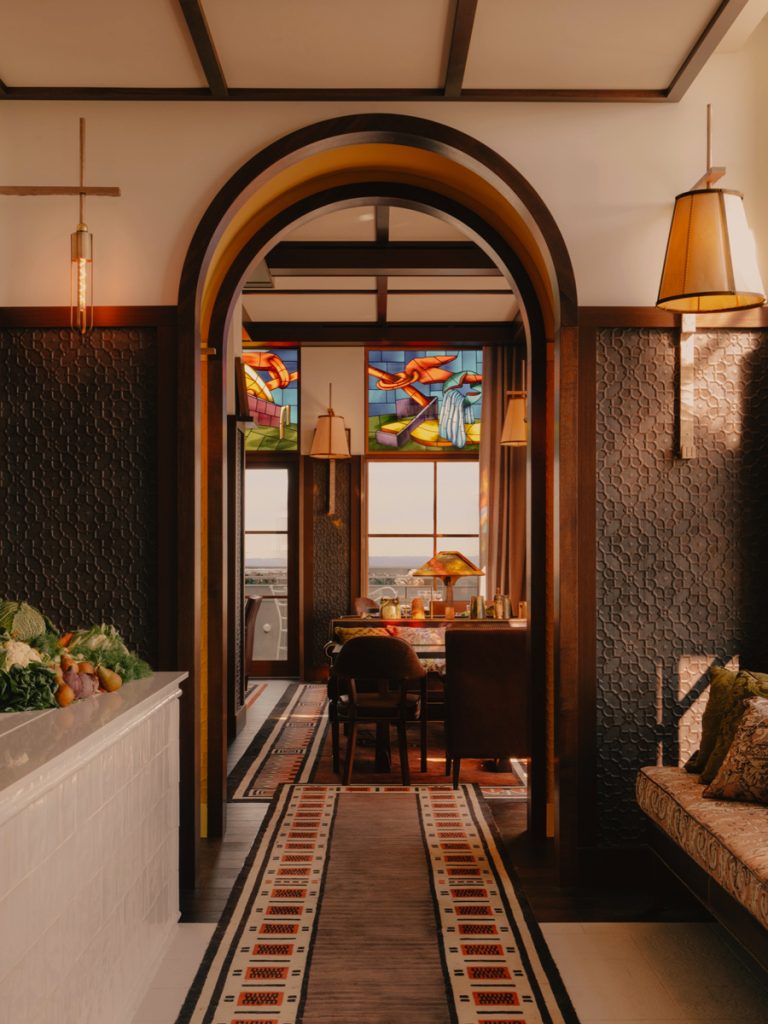
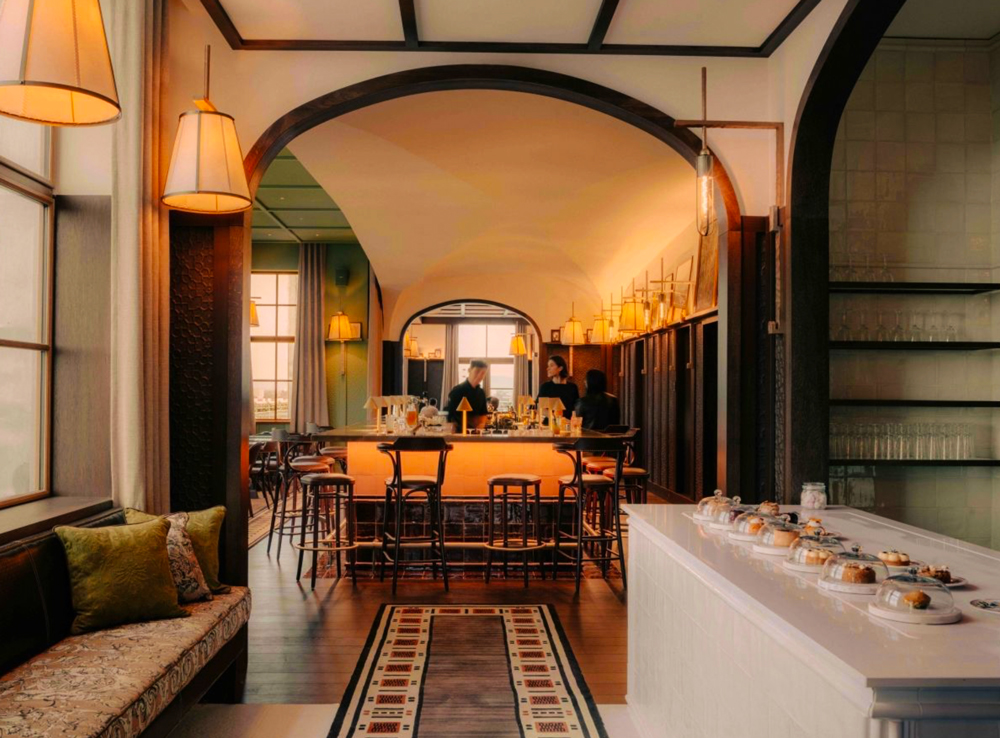
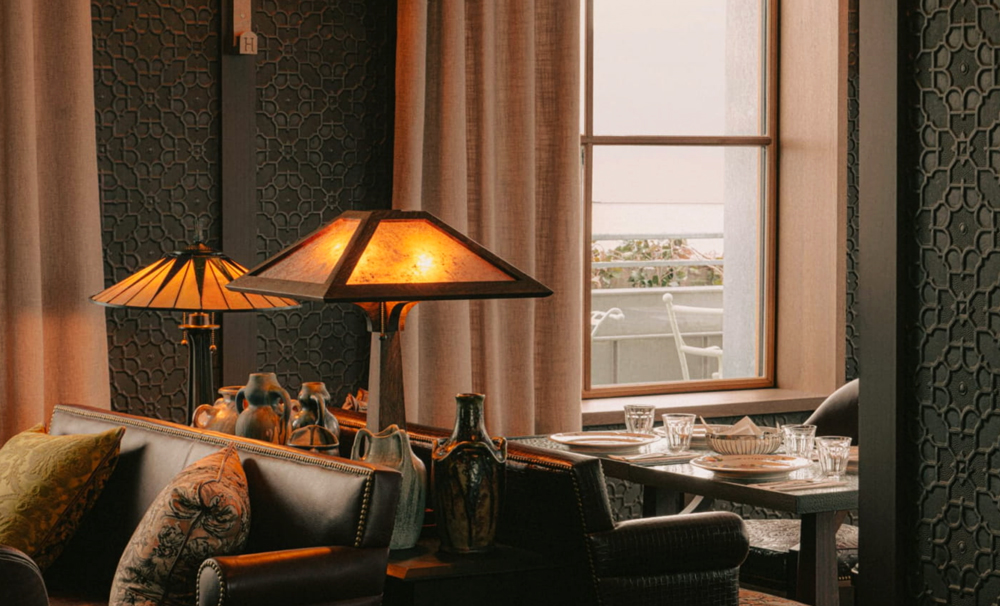
Public areas introduce warmer tones and richer textures. The ground-floor brasserie, La Cuisine de Rose, balances soft color accents with dark finishes, offering an approachable yet refined dining atmosphere. Above, the rooftop restaurant within the elevated house delivers a more intimate, character-driven experience, with wood, terracotta, and stained glass elements filtering light and framing panoramic city views.
Development & Investment Potential
As a hospitality project, Maison Heler demonstrates how strong conceptual identity can function as a commercial differentiator. Its unmistakable silhouette and narrative foundation position it as a destination in its own right, capable of driving year-round demand beyond seasonal tourism cycles.
For Metz, the project strengthens the city’s appeal as a design and cultural destination, complementing existing institutions while encouraging longer visitor stays. The hotel’s distinct positioning supports premium room rates, event programming, and international visibility.
Sustainability & Innovation
While visually expressive, the project integrates contemporary construction standards and energy-efficient systems within its concrete structure. Durable materials, efficient spatial layouts, and long-life finishes support reduced maintenance demands over time, aligning with a pragmatic approach to sustainability rooted in longevity rather than spectacle.
Challenges & Considerations
The project’s unconventional form required careful structural engineering, particularly in supporting the rooftop house while maintaining safety, efficiency, and long-term performance. Balancing narrative expression with operational hospitality requirements also demanded close coordination between design and management teams to ensure functionality matched concept.
Urban Impact & Legacy
Maison Heler has quickly become one of Metz’s most recognizable modern landmarks. Its ability to spark conversation—among architects, travelers, and residents alike—cements its role as more than a hotel. It operates as a piece of urban storytelling, expanding the city’s architectural vocabulary while reinforcing the idea that imagination still has a place in contemporary development.
By transforming fiction into built form, the project sets a precedent for experiential architecture that prioritizes meaning as much as aesthetics.
Project Facts & Figures
- Project Name: Maison Heler
- Location: Metz, France
- Type: Boutique hotel and hospitality landmark
- Architect & Designer: Philippe Starck
- Opening Year: 2025
- Guest Rooms & Suites: 104
- Signature Feature: Rooftop 19th-century Lorraine-style house
- Key Amenities: Brasserie, rooftop restaurant, lounges, event spaces