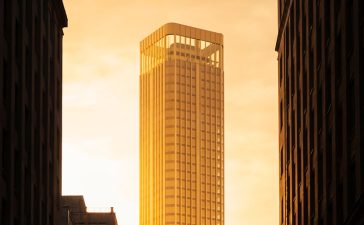
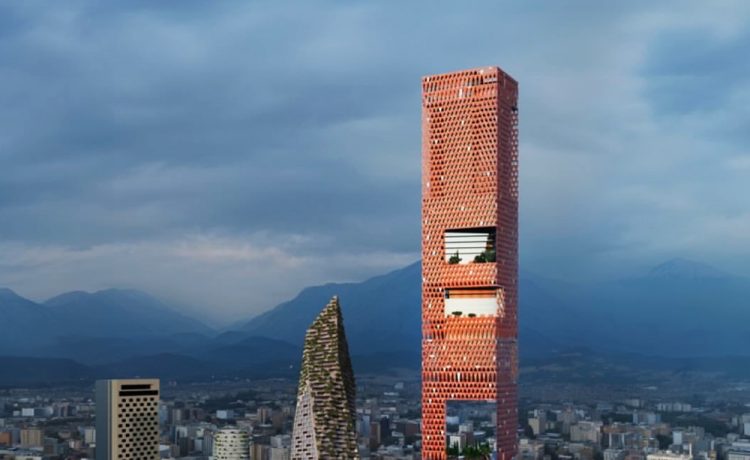
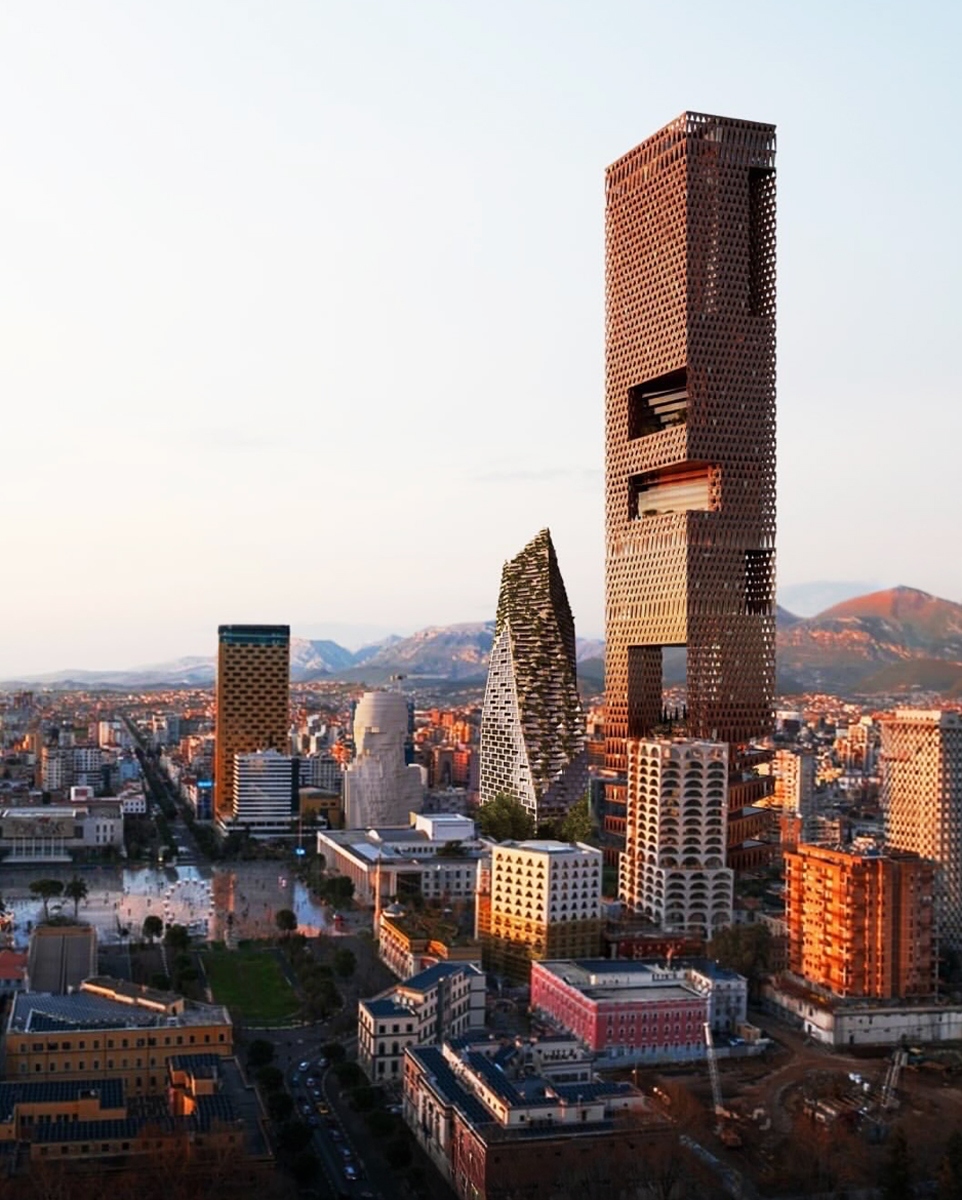
Tirana Tower is a contemporary mixed-use high-rise concept proposed for Barcelona that explores the future of vertical living through sculptural form, environmental responsiveness, and community-driven programming. Attributed in architectural previews to international studio Snøhetta, the project reimagines the tower typology as a layered urban ecosystem rather than a single-use monolith.
Vision & Strategic Positioning
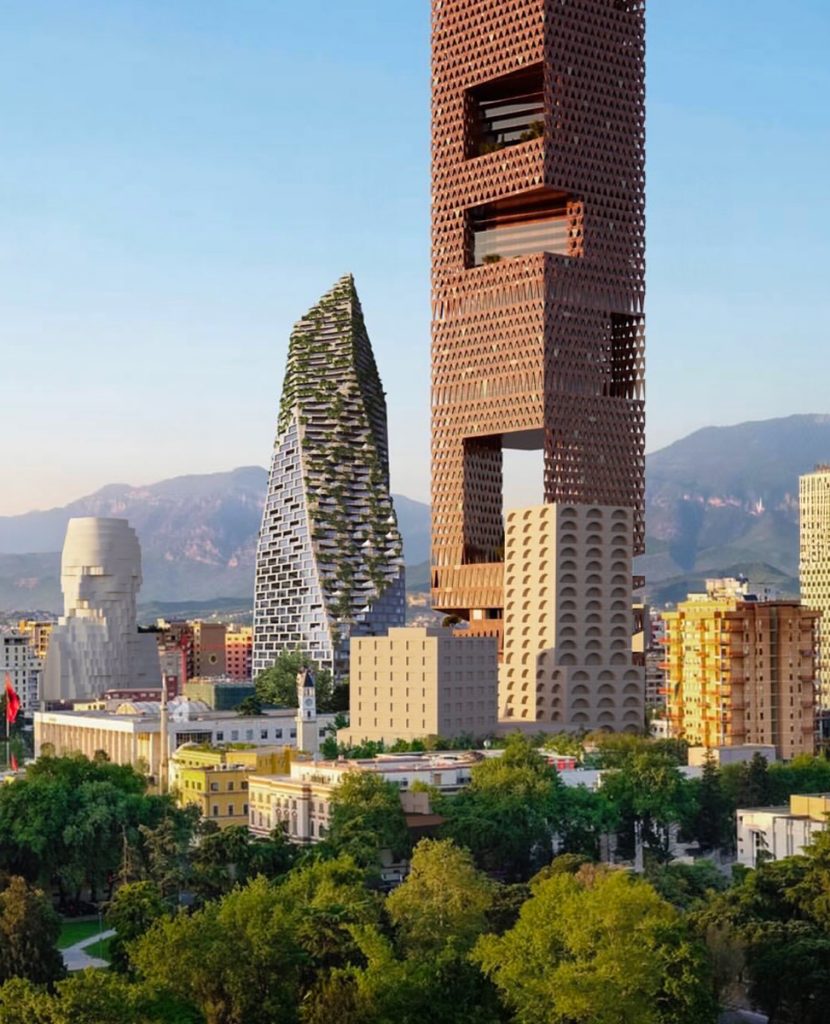
Tirana Tower is designed as a dynamic vertical neighborhood that merges residential, commercial, and cultural functions in one coherent structure. The proposal positions the tower as a landmark addition to Barcelona’s evolving skyline, prioritizing lifestyle density, public interaction, and responsibly scaled height. Rather than imposing a singular icon, the design aims to integrate multiple programs that adapt as the building rises, offering a flexible response to modern urban needs.
Master Plan & Core Components
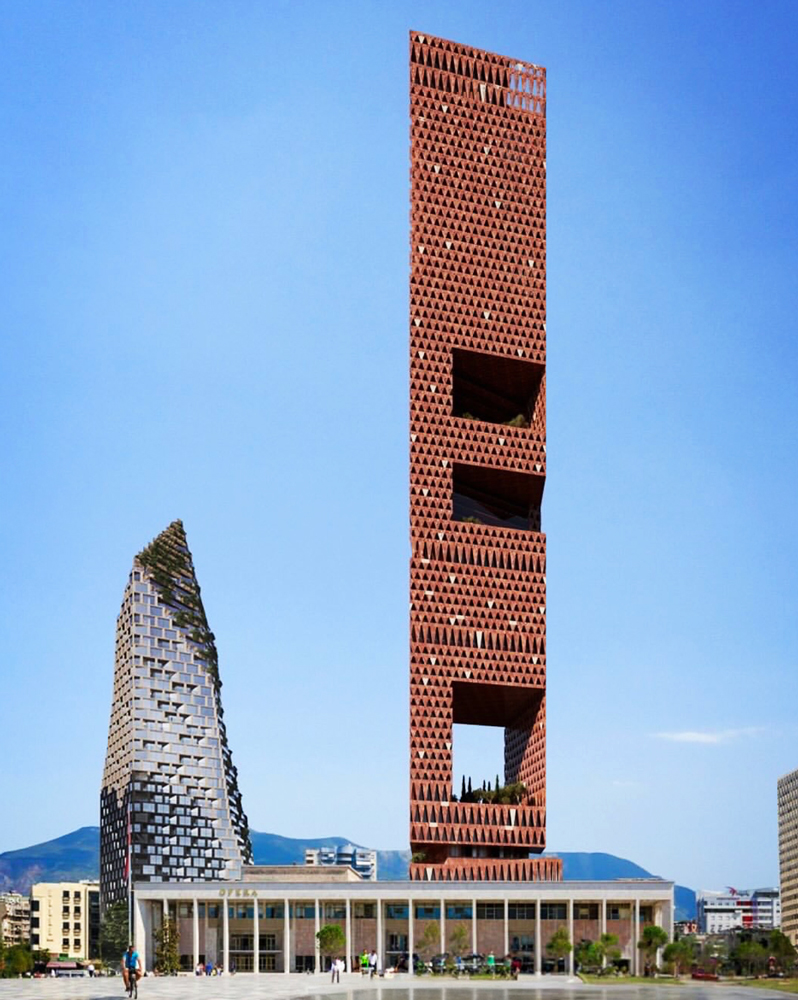
The building organization follows a stacked-program strategy, with lower levels envisioned for public and commercial activity, mid-levels for flexible office and communal amenities, and upper floors for residential living. Core design principles include responsive façade systems, layered balcony treatments, and a structural approach that emphasizes environmental performance and visual texture.
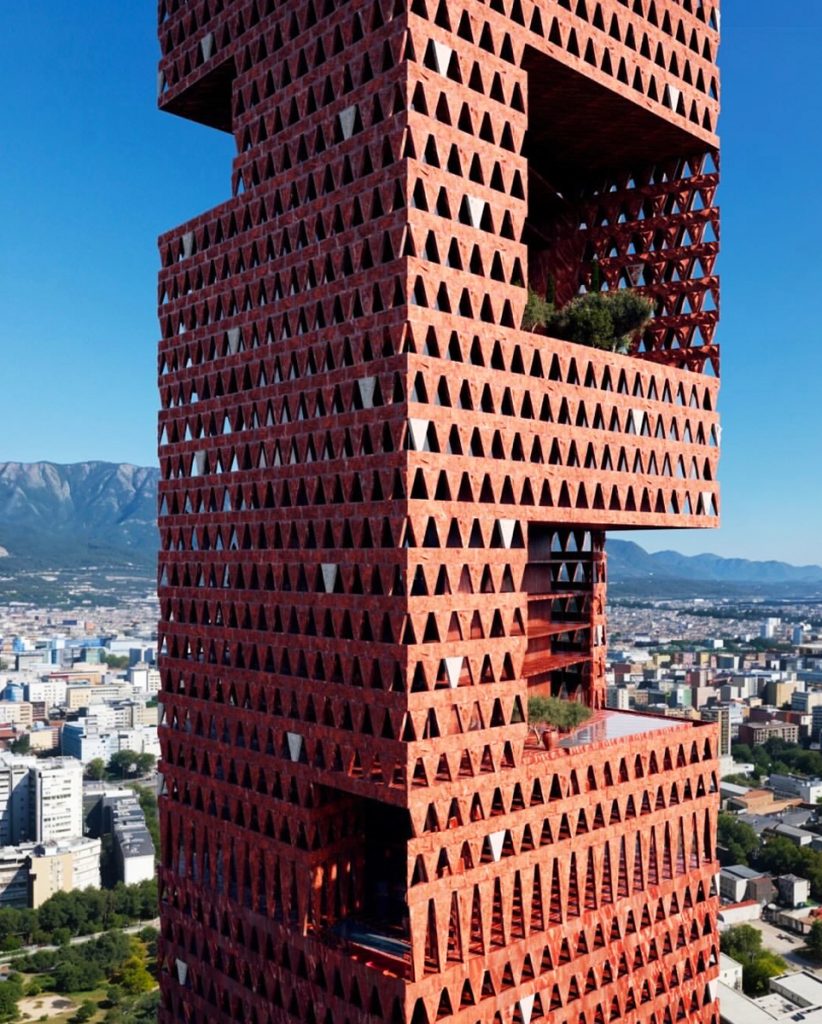
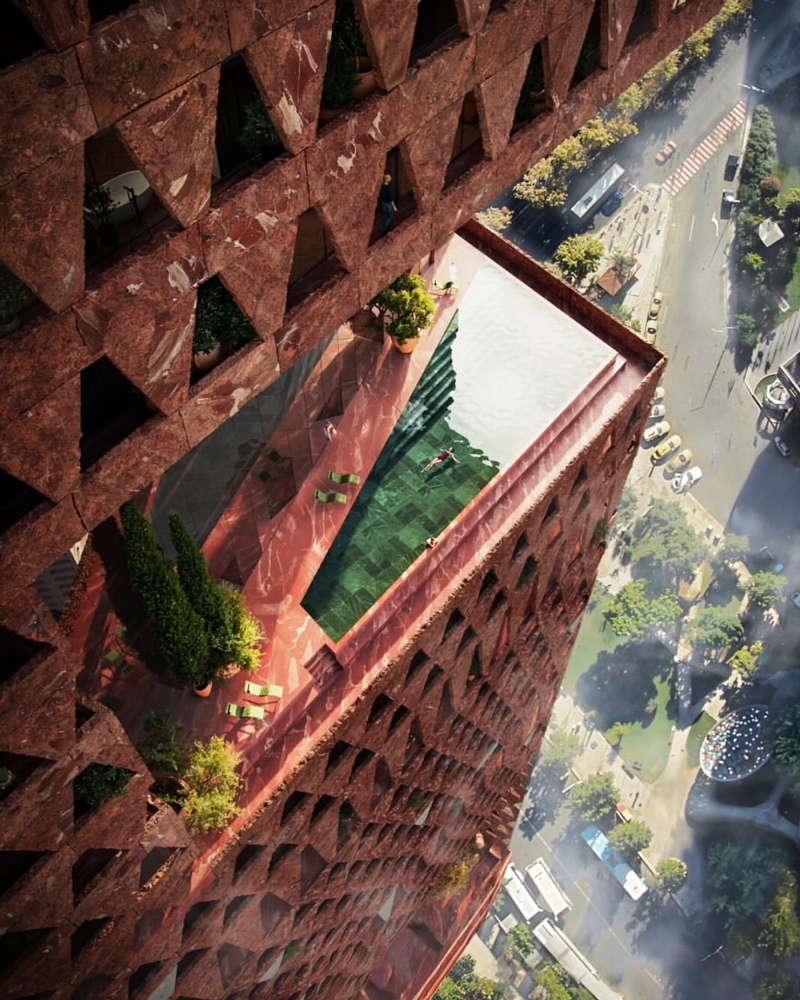
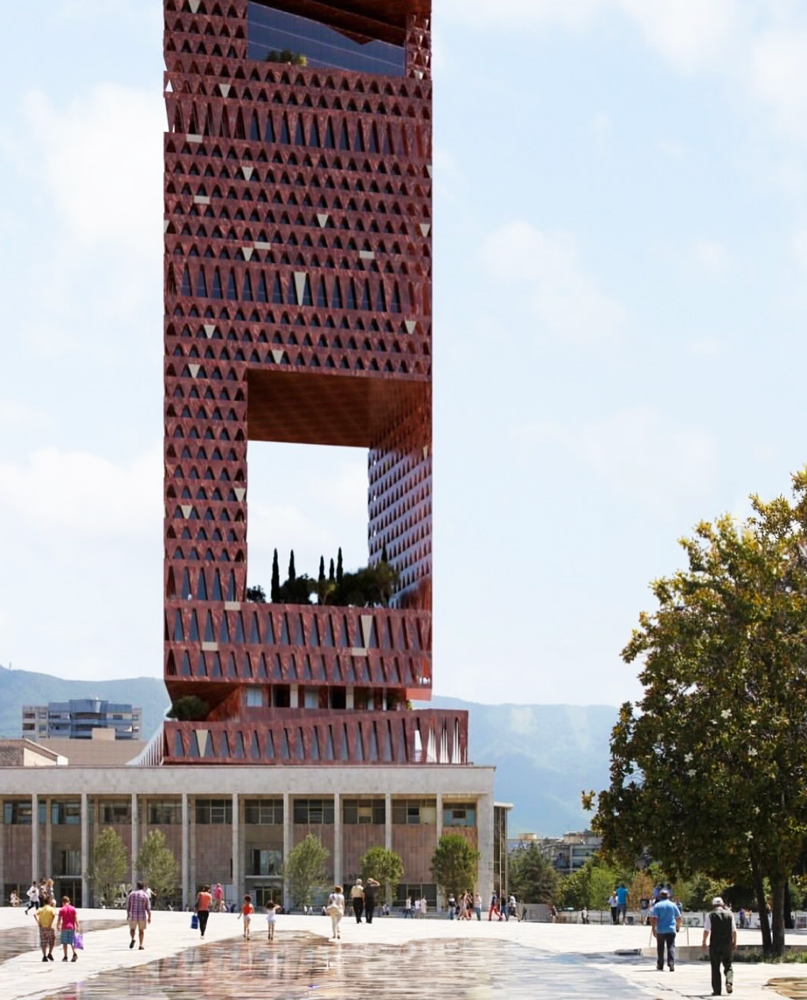
Snøhetta leads the architectural concept as credited in published visualizations and proposal materials. The massing uses a “vertical weave” expression, with façade elements transitioning from more sheltered forms at lower floors to open, expansive balcony geometry at height. This treatment supports optimized daylighting, shading, and wind control while maintaining continuous access to outdoor space.
Key components
- Approximately 49 floors with a vertical mixed-use program
- Podium level for cultural, restaurant, and commercial activity
- Mid-building communal and wellness floors
- Upper residential stacking with private balconies
- Responsive façade with variable shading and exposure
Development & Investment Potential
Tirana Tower targets high-value urban mixed-use demand, offering diversified leasing and ownership models within a compact footprint. Its vertical program supports the ongoing premium residential shift in central Barcelona and aligns with institutional interest in amenity-rich office space. Mixed programming helps maintain occupancy resilience, supporting long-term investor confidence and creating potential for cross-sector tenancy, from residential owners to creative and cultural enterprises.
Sustainability & Innovation
Environmental responsiveness is central to the design intent. The tower proposes:
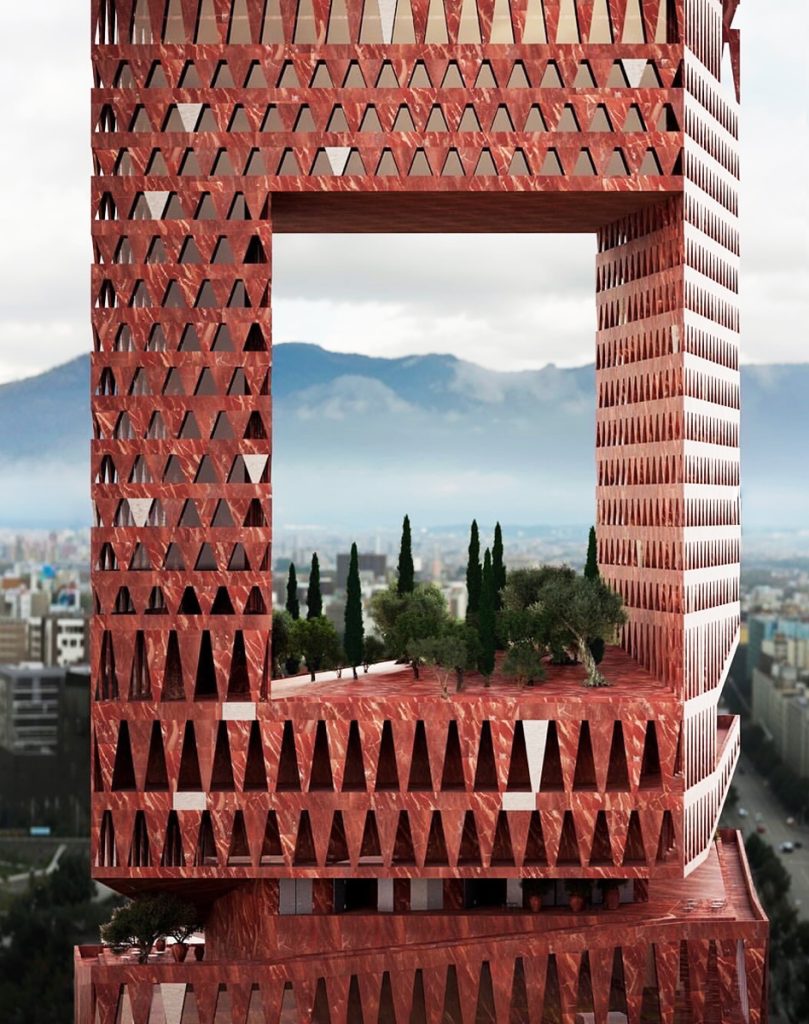
- Shaded balcony systems to reduce heat gain and enhance natural ventilation
- Façade variation that adapts to height-specific wind and light conditions
- Vertical density to minimize land consumption and maximize urban footprint efficiency
- Integrated communal amenities intended to reduce off-site transport needs
The tower’s conceptual sustainability approach emphasizes passive measures and socially integrated living rather than only mechanical solutions.
Challenges & Considerations
Bringing a complex, vertically layered design to market requires clear delivery strategies and coordinated engineering. Key considerations include:
- Long-term maintenance of high-performance façade systems
- Pedestrian integration at podium and public interface levels
- Balancing premium development with accessible community functions
- Regulatory approval for dense mixed-use programming at height
Ensuring inclusion of civic benefits, cultural access, and pedestrian connectivity will be crucial to long-term urban acceptance.
Urban Impact & Legacy
Tirana Tower has the potential to reinforce a next generation of high-rise thinking in Barcelona—one centered on vertical community, program diversity, and architectural expression rooted in environmental intelligence. If executed in line with the conceptual vision, the project could stand as a prototype for socially connected vertical living, demonstrating how dense, mixed-use towers can activate their surroundings rather than isolate themselves from the city.
The tower’s legacy will be defined by how closely its built reality matches the ambition of its mixed-use, environmentally responsive agenda.
Project Facts & Figures
- Location: Barcelona, Spain
- Attributed Architects: Snøhetta (proposal concept)
- Estimated Height: Approx. 49 floors
- Proposed Uses: Residential, commercial, cultural, office
- Structural Strategy: Stacked vertical programming with responsive façade
- Design Intent: Vertical living, environmental shading, integrated outdoor space