Positioned along the Qiantang River in Hangzhou’s rapidly growing Xiaoshan District, the Qiantang Bay Art Museum is an upcoming cultural landmark designed to expand the city’s contemporary arts landscape. As part of the Qiantang Bay Future Headquarters District, the museum is being developed as a defining architectural and civic anchor for the new waterfront zone.
Vision & Strategic Positioning
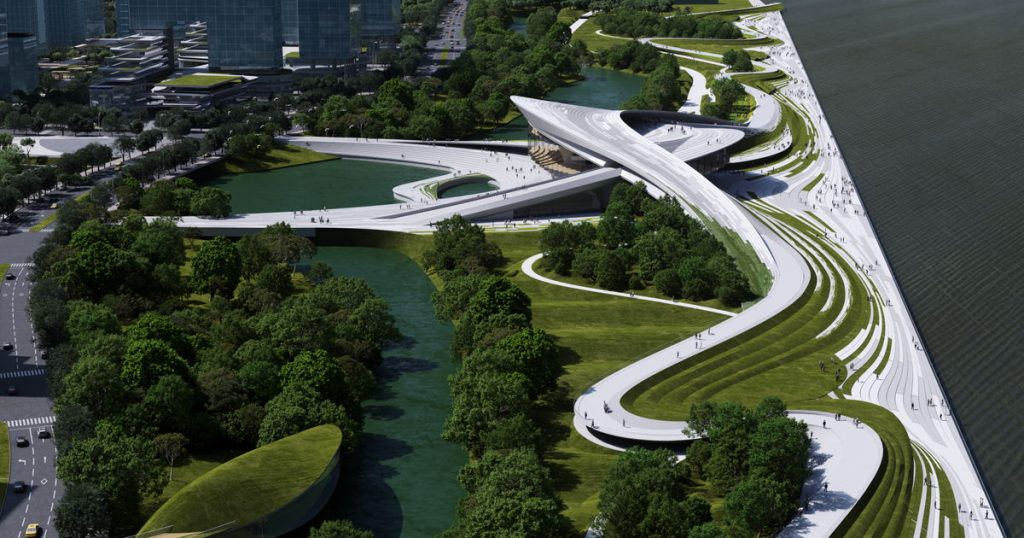
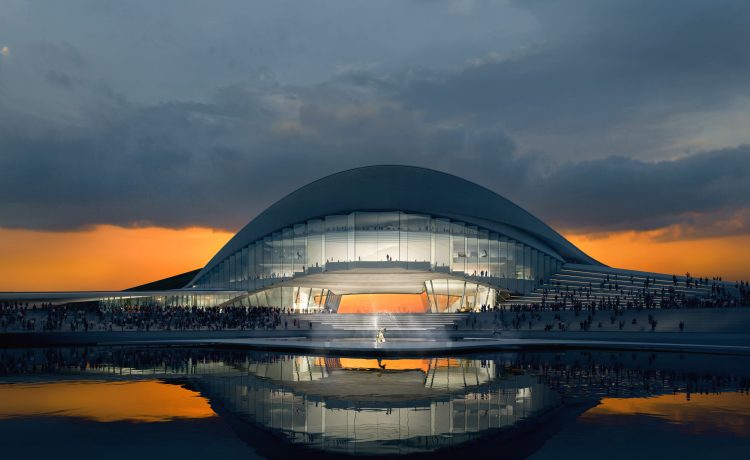
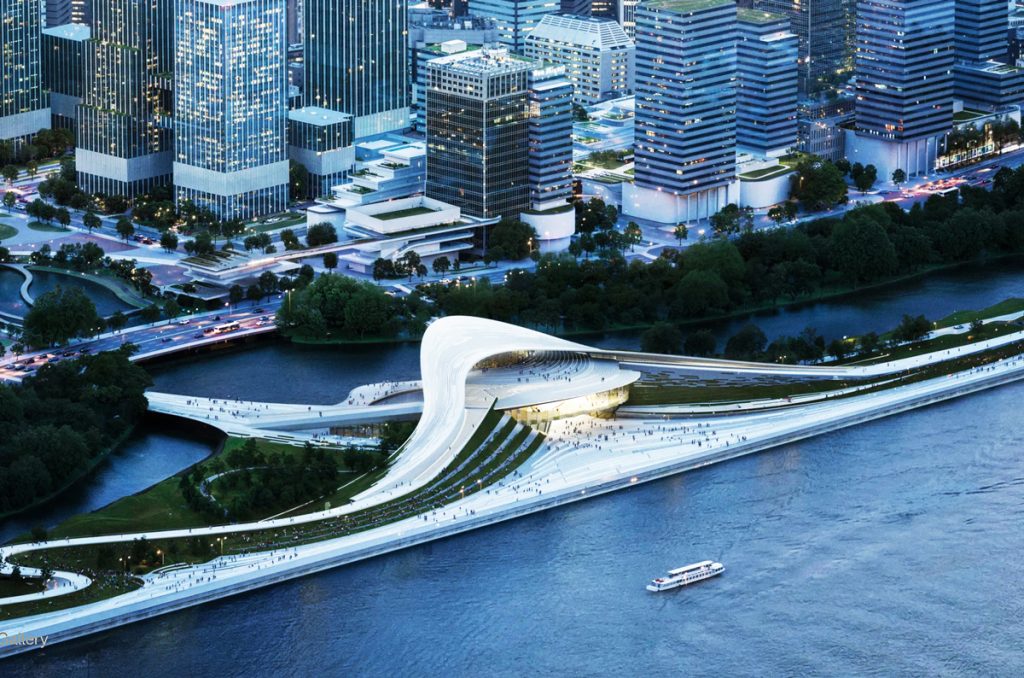
The Qiantang Bay Art Museum is envisioned as a public-facing cultural venue located where the Qiantang River meets the district’s Central Water Axis. Its wave-inspired architectural language reflects the tidal dynamics of the river and reinforces the district’s ambition to create a distinctive, identity-shaping arts destination. The project strengthens Hangzhou’s broader strategy to diversify its cultural presence beyond the established West Lake core.
Master Plan & Core Components
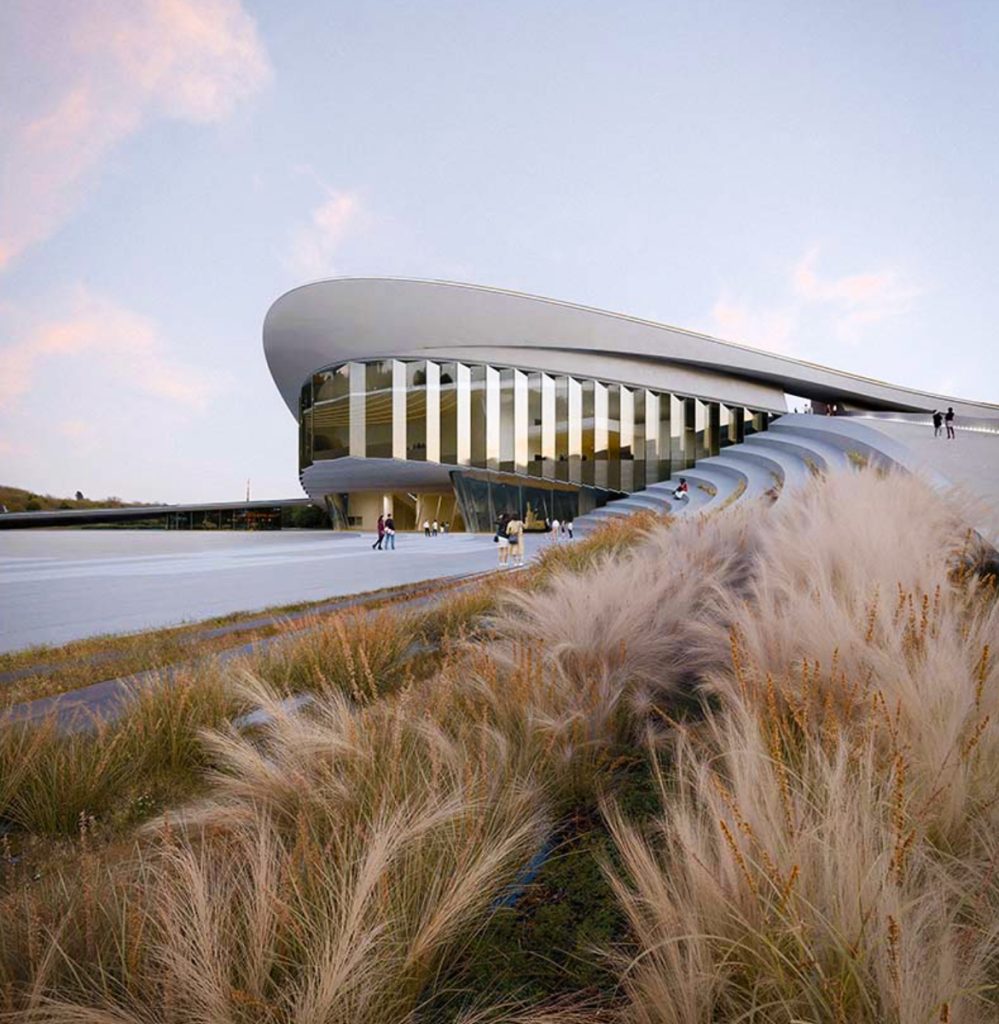
The museum includes an estimated 18,000 m² of total floor area, organized into two sculptural interconnected volumes shaped by the motion of water. A central gateway cuts through the structure, framing direct views and pedestrian movement toward the riverfront.
- Key confirmed components include:
- Two interwoven wave-form building volumes
- A central open gateway oriented toward the Qiantang River
- Large exhibition halls and flexible gallery spaces
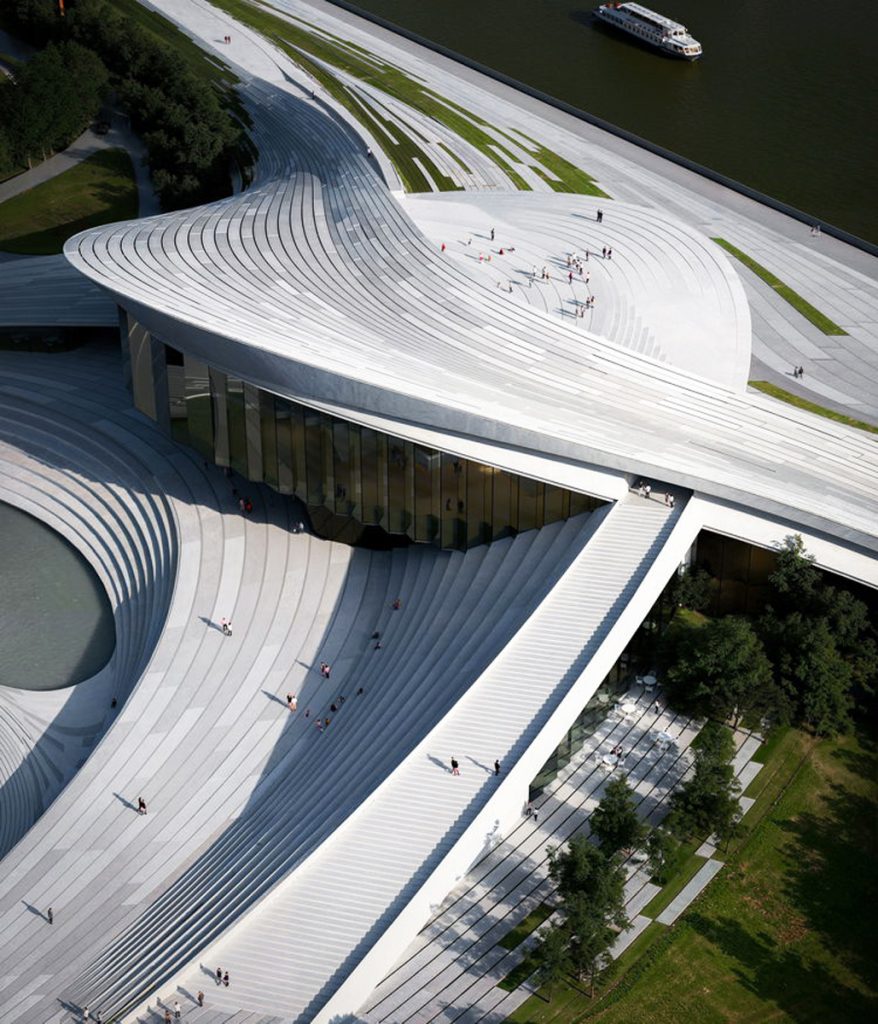
- Public atriums and circulation zones connected to the landscape
- Rooftop and terrace spaces designed for public access
- Integrated indoor–outdoor pathways linking the museum to surrounding plazas
- Architectural design by Snøhetta with local partnership from the Architectural Design & Research Institute of Zhejiang University Co., Ltd.
- Engineering collaboration with Buro Happold
Development & Investment Potential
The project is an officially confirmed element within the Qiantang Bay Future Headquarters District. Its architectural and cultural role within the master plan is clearly documented, though no detailed investment projections or district-wide economic forecasts have been publicly released.
Sustainability & Innovation
The design incorporates landscape and architectural strategies influenced by the site’s tidal environment. While technical sustainability specifications have not been publicly detailed, the confirmed design emphasizes natural integration and environmental responsiveness.
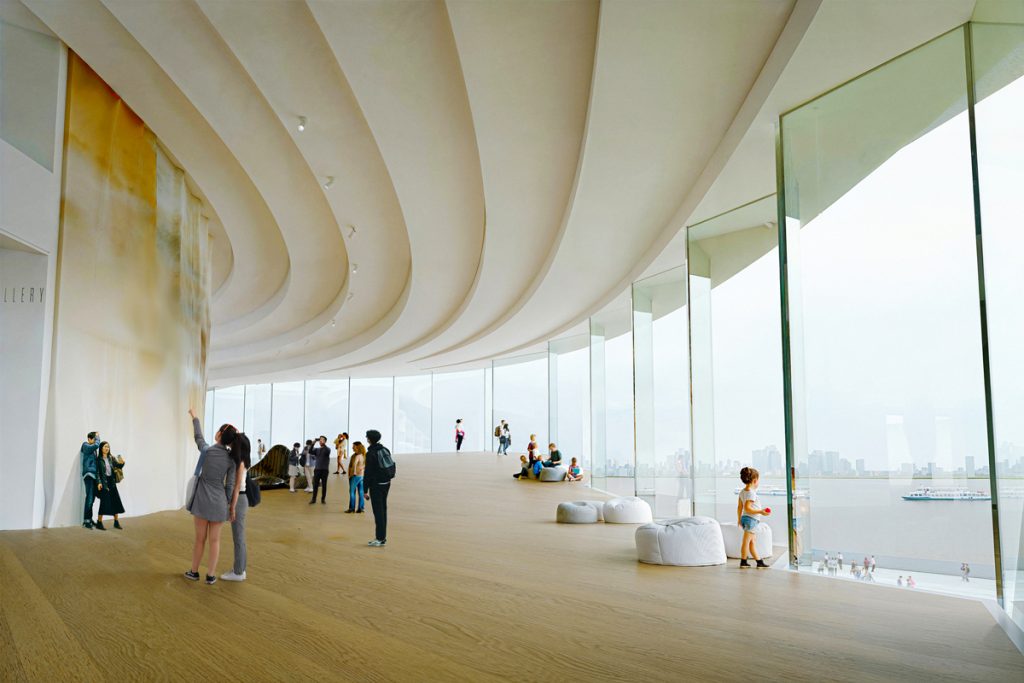
Confirmed sustainability-related design elements include:
• Building forms inspired by tidal movement to support natural spatial flow
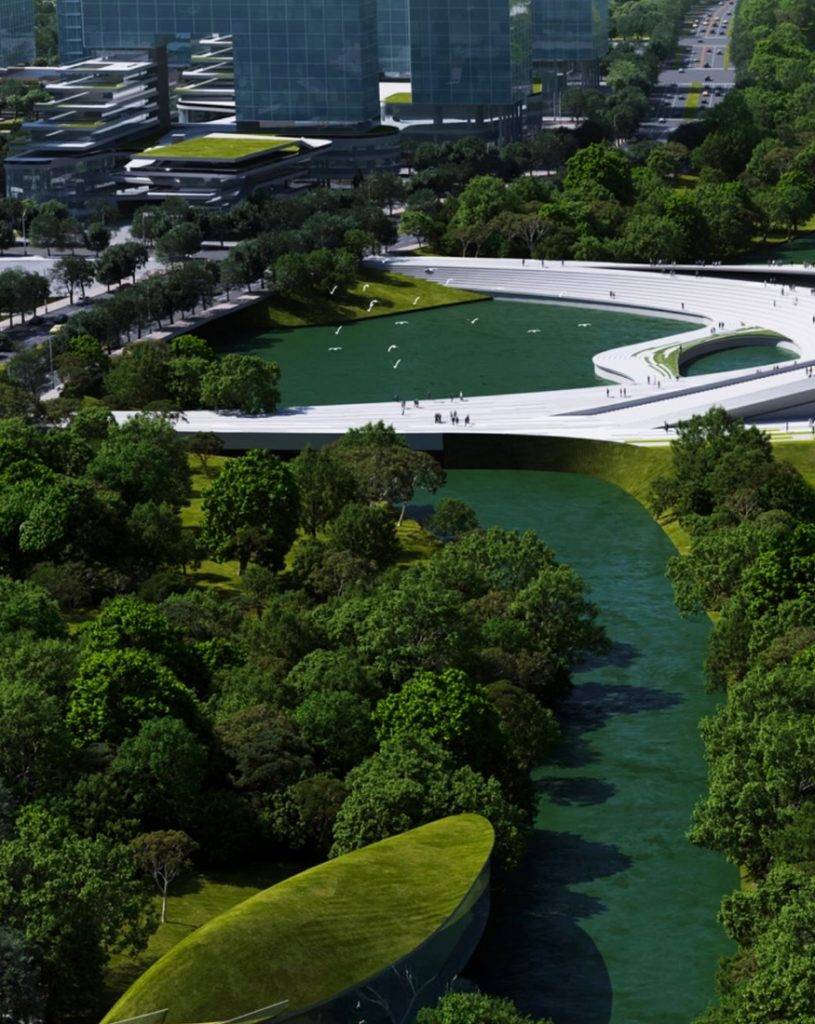
• Landscaped terraces that blend architecture with the riverfront terrain
• Rooftop and elevated outdoor areas providing daylight access and shading
• Open-air transitions between interior and exterior circulation zones
• A design approach focused on creating accessible, public-oriented cultural space
Challenges & Considerations
No specific construction or operational challenges have been publicly disclosed. As with any waterfront cultural project, considerations related to engineering, coordination, and environmental integration are expected but not officially documented.
Urban Impact & Legacy
The museum is a confirmed cultural project within the Qiantang Bay district and is intended to enhance public life and artistic presence along the waterfront. Broader urban impacts, including tourism and real-estate effects, have not been officially published and are therefore not included in this confirmed-facts edition.

Project Facts & Figures
- Location: Qiantang Bay Future Headquarters District, Xiaoshan, Hangzhou, China
- Total Floor Area: Approx. 18,000 m²
- Lead Architect: Snøhetta
- Local Partner: Architectural Design & Research Institute of Zhejiang University Co., Ltd.
- Engineering Partner: Buro Happold
- Key Architectural Features: Dual wave-shaped volumes, central river-facing gateway, integrated landscaped terraces, indoor–outdoor circulation
- District Role: Confirmed cultural component within the Qiantang Bay Future Headquarters development