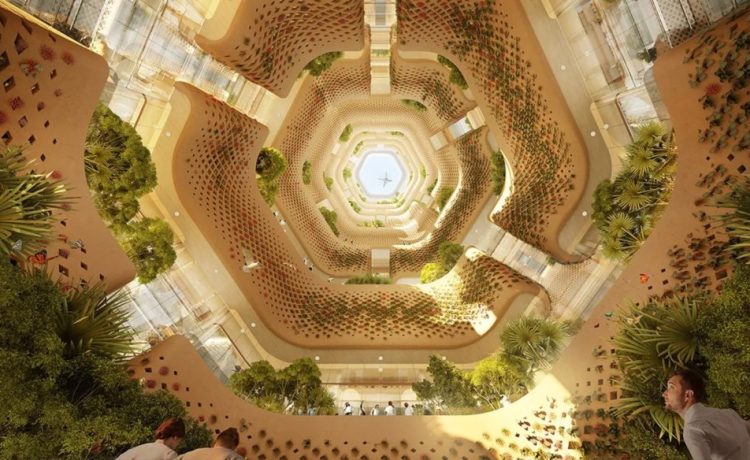
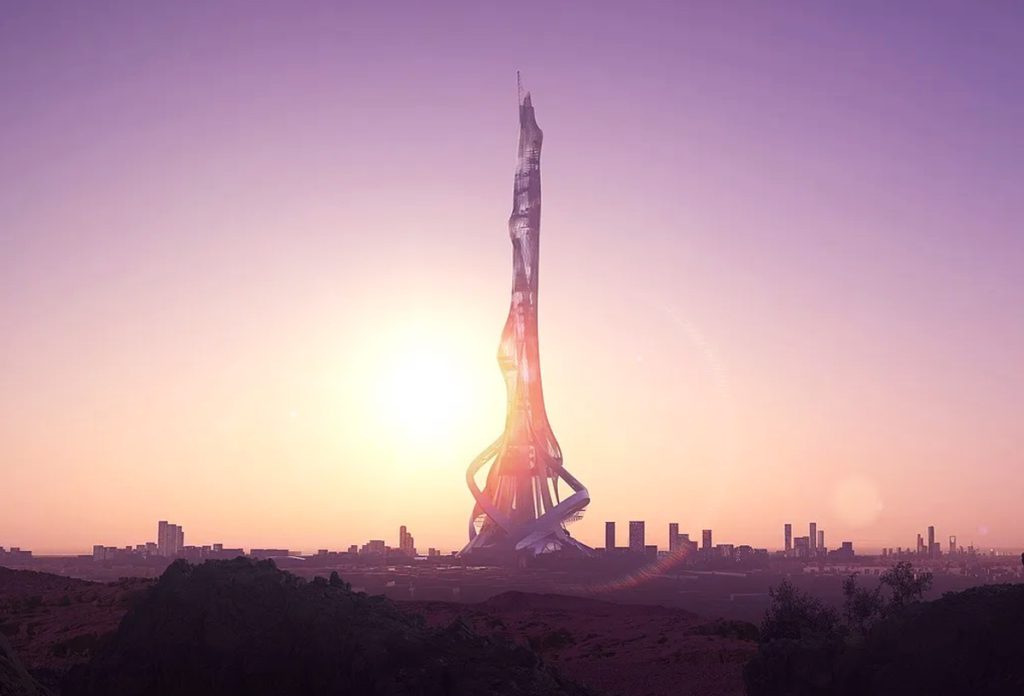
At the northern fringe of Riyadh, a bold architectural ambition is underway: Rise Tower — a proposed 2-kilometre-high megastructure intended to become the tallest building in the world. If realized, it would symbolize Saudi Arabia’s commitment to redefining urban scale, design ambition, and long-term growth under Vision 2030.
Vision & Strategic Positioning
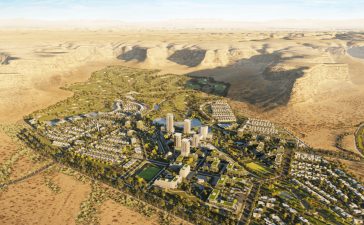
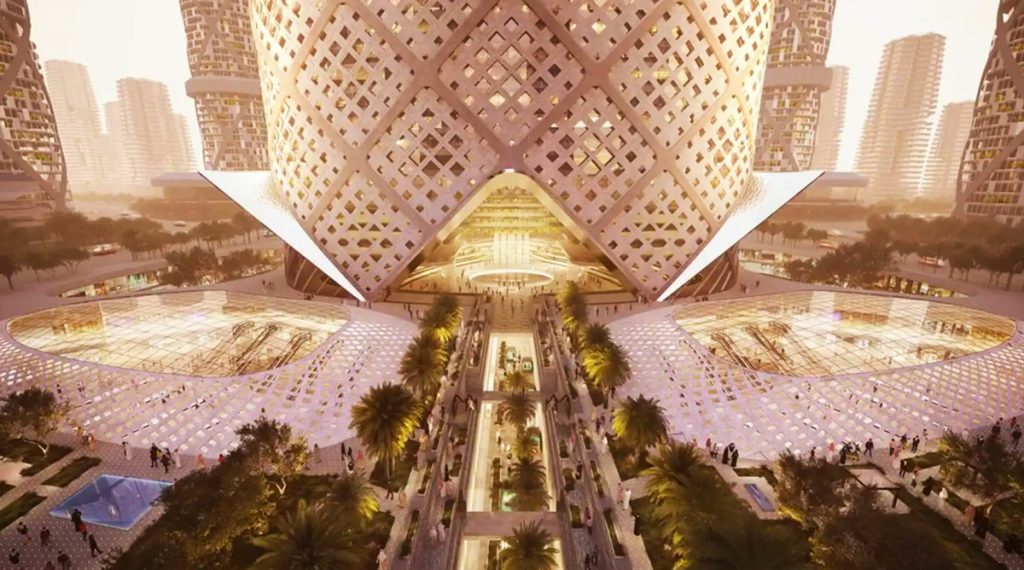
Rise Tower is envisioned as the anchor of the new North Pole District — a futuristic mixed-use district in North Riyadh, sited in proximity to King Khalid International Airport (KKIA). The district is planned to integrate business, residential and leisure zones, with the tower as its central landmark.
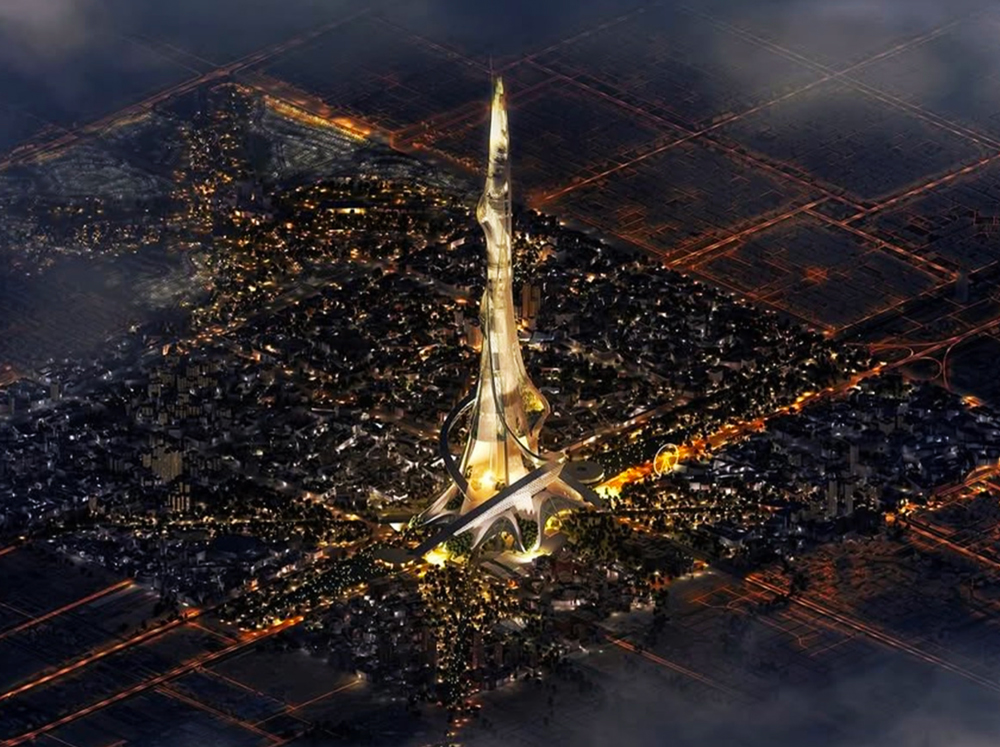
The project aligns strategically with the Kingdom’s Vision 2030 goals of economic diversification, global-scale investment attraction, and urban transformation. By combining ultra-premium real estate, global-level architectural ambition, and prime connectivity, Rise Tower is positioned to appeal to international investors, global corporations, high-net-worth residents, and luxury tourism.
Master Plan & Core Components
Designed by Foster + Partners (with involvement from HKS Architects), Rise Tower is planned as a mixed-use vertical city of approximately 678 floors reaching circa 2,000 metres in height. Reports from mid-2025 confirm that international firms have been invited to bid for consultancy and project-management roles for both the tower and the broader district.
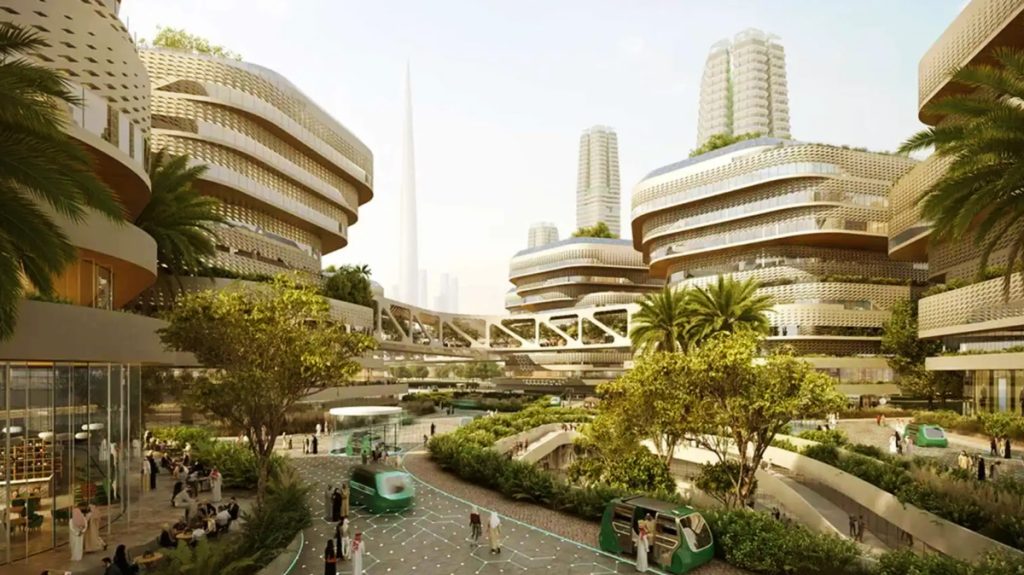
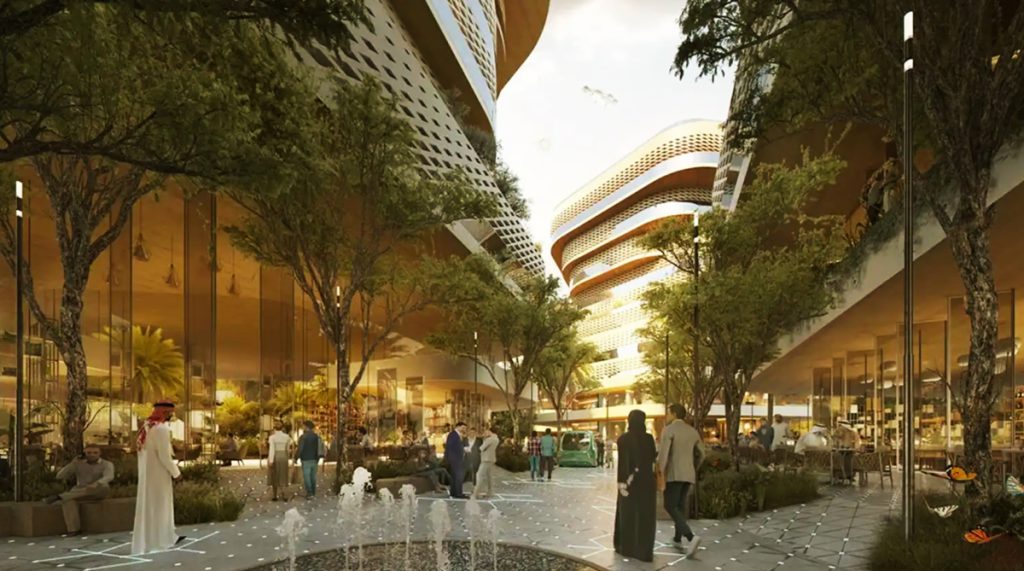
Inside the tower, planning coverage includes:
- Luxury hotels and branded residences
- Premium office space for multinational firms
- High-altitude observation decks and panoramic viewing platforms
- Dining, entertainment venues and sky-level amenities
- Potential vertical gardens or sky terraces, offering green-space integration high above ground level
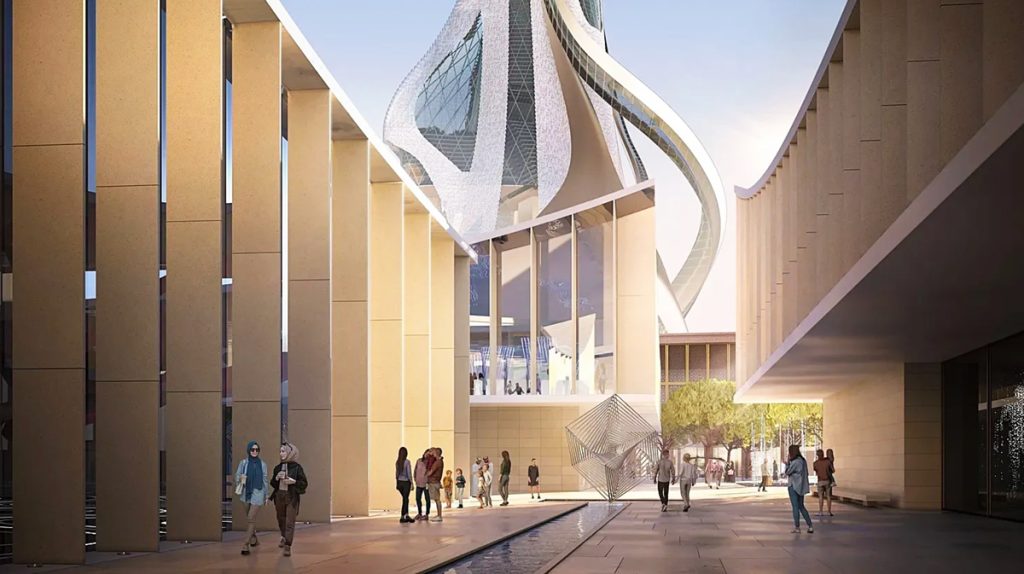
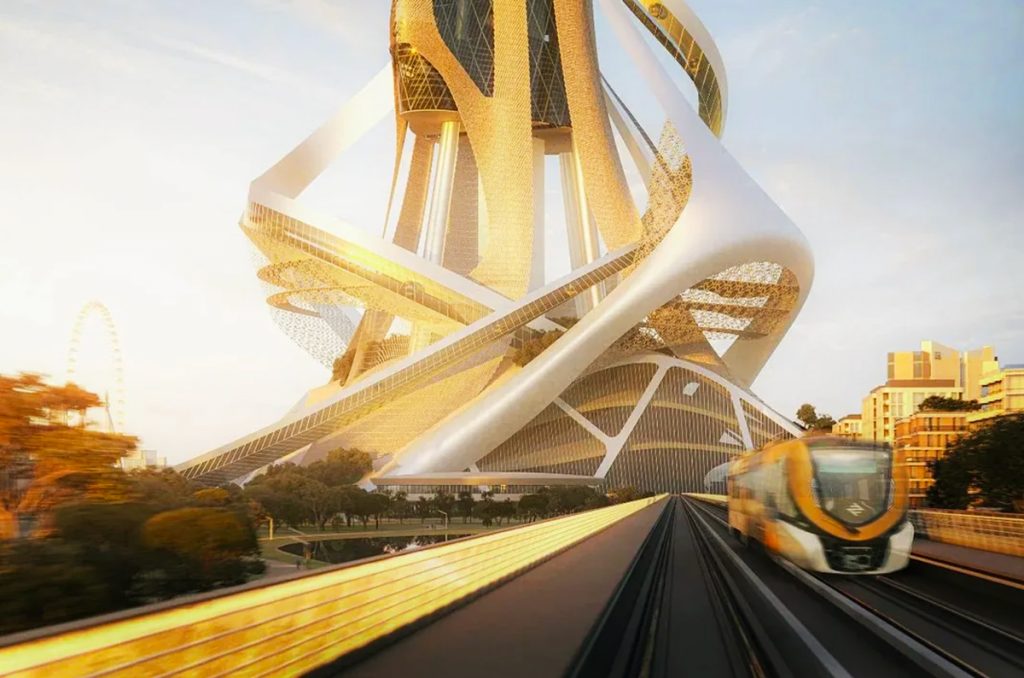
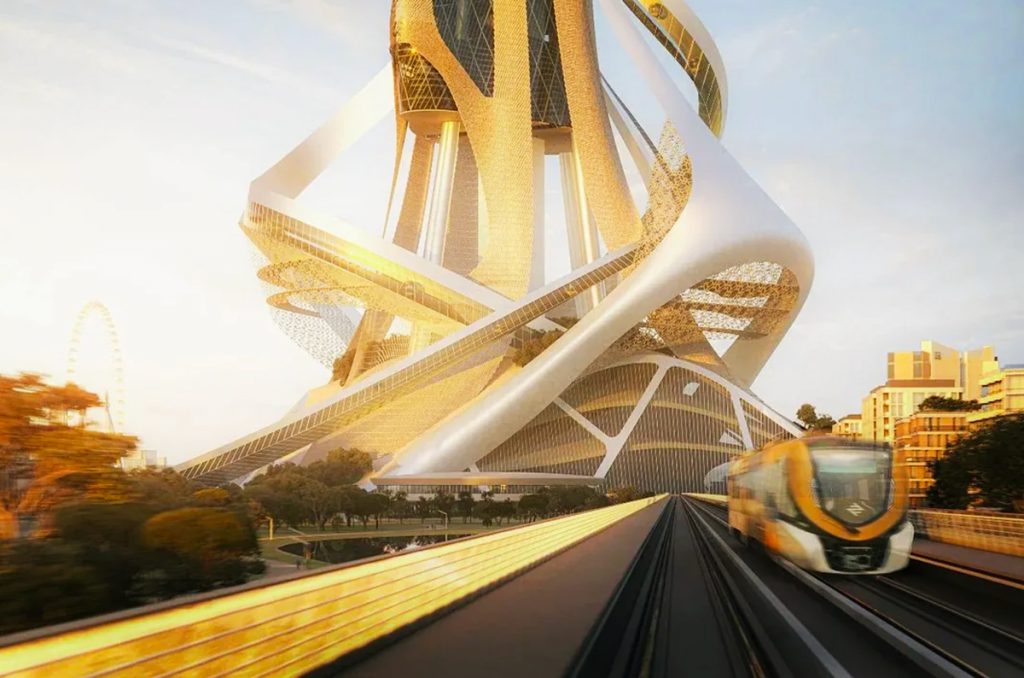
The broader master plan for the North Pole district is intended to deliver comprehensive infrastructure: transport links, public spaces, and mixed-use amenities — creating a self-contained urban ecosystem.
Development & Investment Potential
With an estimated development cost of US $5 billion, backed by the Public Investment Fund (PIF), Rise Tower ranks among the most ambitious real estate proposals globally. Key investment advantages include:

- An unmatched global “record-breaker” positioning as the tallest structure worldwide
- Demand for top-tier luxury hospitality and ultra-premium real estate in Riyadh’s long-term growth trajectory
- Strategic location near airport infrastructure and planned urban expansion corridors
- Potential to attract international corporations seeking iconic headquarters, high-net-worth individuals, and global tourists
If executed successfully, Rise Tower could trigger a ripple effect: boosting surrounding real estate values, spurring further investments in northern Riyadh, and catalyzing commercial, hospitality, and retail development across the district.
Sustainability & Innovation
While detailed engineering and sustainability specifications remain pending public release, the conceptual framework suggests an ambition to integrate cutting-edge environmental design and engineering innovation. Industry-level trade-press coverage has flagged:
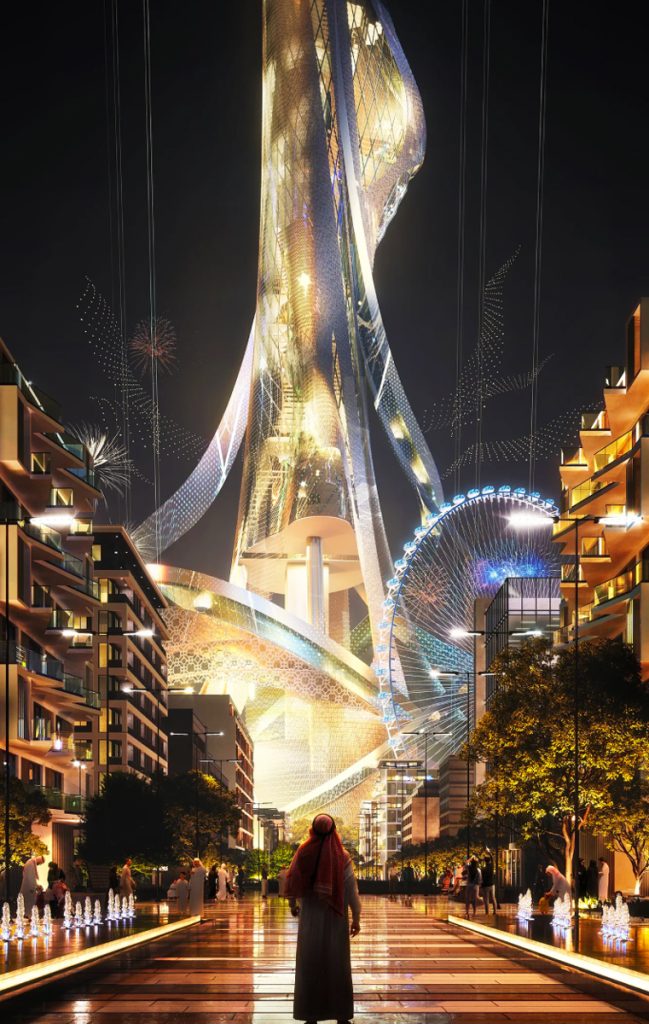
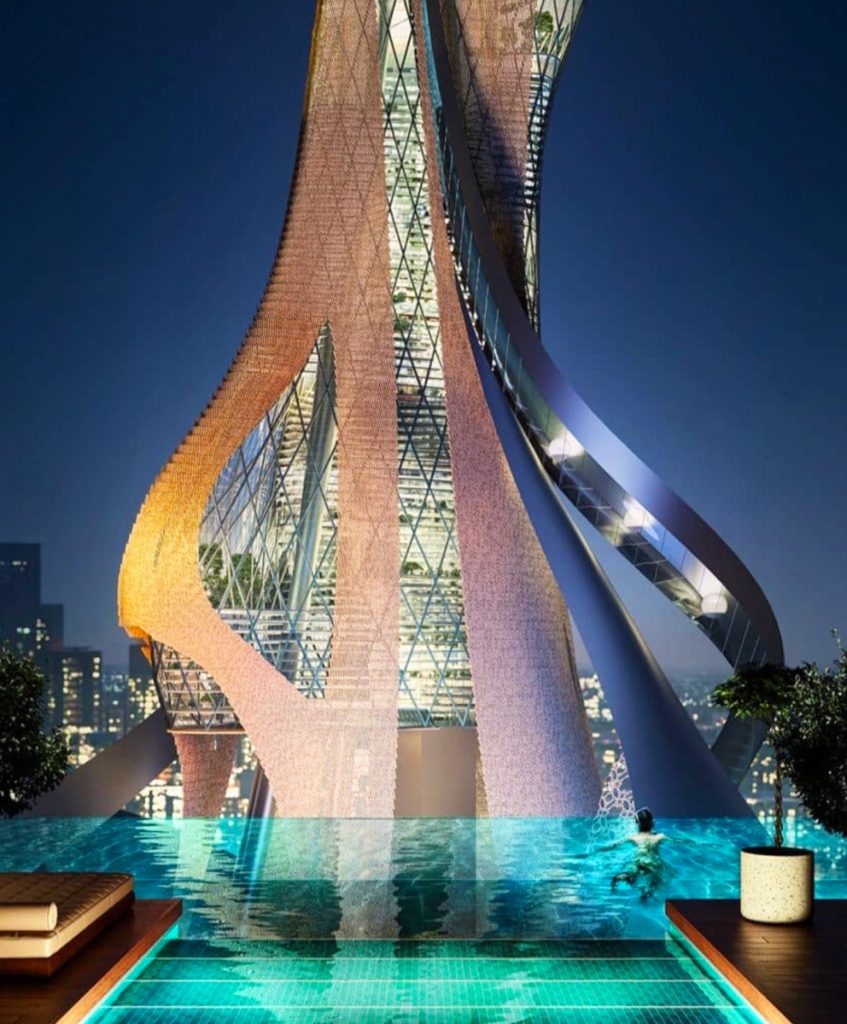
- Advanced façade and structural design to manage thermal stress and desert climate conditions
- High-efficiency building systems suitable for extreme vertical environments
- Integration of mixed-use program to reduce commute needs and promote vertical community living
- Smart infrastructure and district-level planning (transport, energy, amenities) as part of a future-oriented urban vision
These elements suggest Rise Tower aims not merely for height, but for a benchmark in context-sensitive skyscraper development in arid environments.
Challenges & Considerations
The magnitude of Rise Tower brings significant technical, financial, and scheduling risks:
- Engineering a stable, safe, 2-kilometre tall structure — including wind load, seismic stability, vertical transportation (elevators), and systems for water, energy, and climate control — remains untested at this scale
- As of November 2025, the project remains in proposal / early tender stage: no public record confirms actual construction start or approval of a full technical/engineering plan
- Costs associated with such scale and the harsh desert climate are likely to escalate, and long-term maintenance and sustainability commitments must be substantial
- Regulatory, economic and market conditions could affect viability — particularly if global real estate or energy markets fluctuate
Urban Impact & Legacy
If realized, Rise Tower would redefine Riyadh’s skyline, symbolizing national ambition and architectural pioneering. Potential outcomes include:
- Accelerated development of northern Riyadh and the establishment of a high-status urban corridor
- Attraction of international businesses, luxury tourism, and high-end real estate demand
- A bold statement for Saudi Arabia’s urban future — blended luxury, global connectivity, and modern identity
- Influence on future megaprojects in the region and worldwide, setting a new standard for supertall mixed-use developments in desert climates
However, the project’s success would depend on careful execution: balancing ambition, sustainability, practicality and long-term viability.
At present, Rise Tower stands as a monumental proposition — a visionary vertical landmark that encapsulates both the promise and the perils of ultra-tall construction. Its realization could reshape Riyadh’s identity; but as of November 29, 2025, it remains an idea entangled in technical, economic and logistical unknowns.
Project Facts & Figures
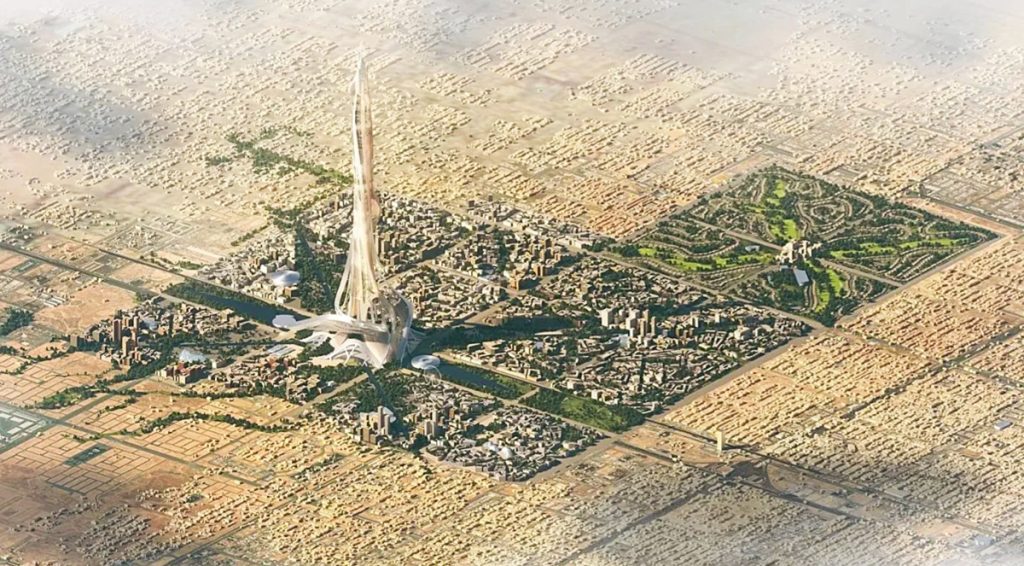
- Location: Northern Riyadh, near King Khalid International Airport, Saudi Arabia
- District: North Pole District (planned)
- Status: Proposed / Tender Stage (as of November 2025)
- Planned Height: ~2,000 metres
- Planned Floors: ~678
- Estimated Cost: ~US $5 billion
- Developer: Public Investment Fund (PIF)
- Architectural Firms: Foster + Partners; HKS Architects
- Planned Program: Mixed-use (residential, hospitality, commercial, observation, leisure)