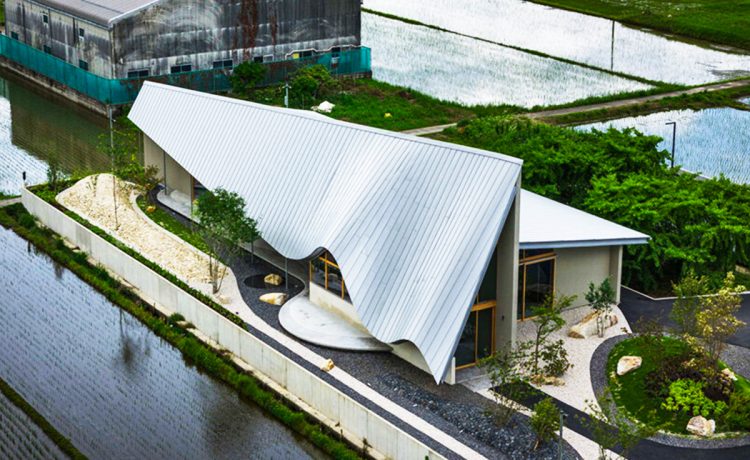
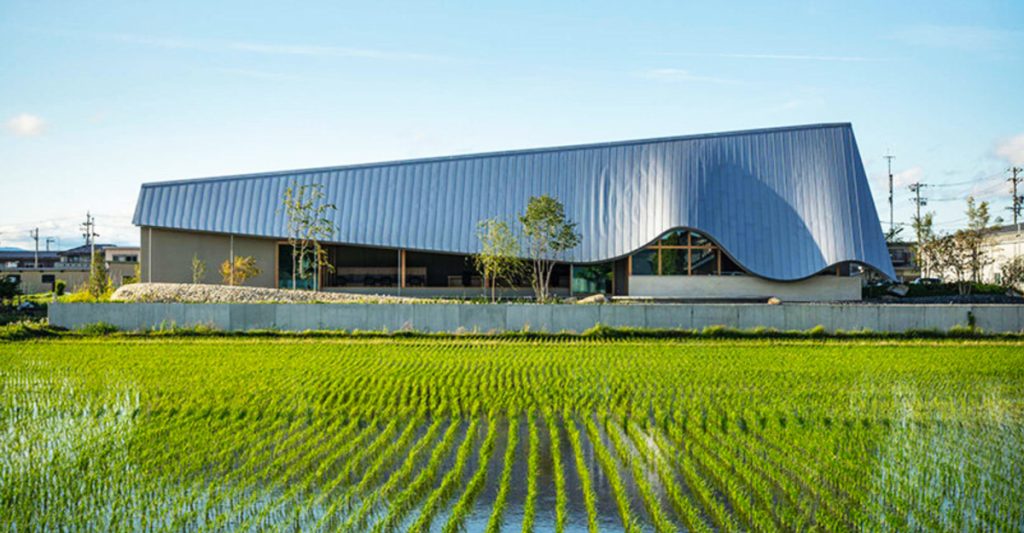
Set among the quiet agricultural fields of Hashima City in Gifu Prefecture, the Office in Hashima headquarters brings a calm, landscape-driven architectural presence to a rural working environment. Designed for a local civil-engineering and real-estate firm, the building transforms a compact 302 m² footprint into a workspace shaped by natural light, soft transitions, and the subtle changes of surrounding rice fields. Completed in 2025, it stands as both a practical headquarters and a meditation on place.
Vision & Strategic Positioning
The project’s vision centered on creating an office that reflects the land it serves. Instead of standing apart from the scenery, the building was designed to heighten awareness of everyday beauty: breezes through the fields, shifting shadows, seasonal color, and the horizon beyond.
Key ambitions included:
• Strengthening the company’s identity through architecture rooted in local landscape
• Creating a workplace defined by calmness, nature, and sensory awareness
• Ensuring the headquarters feels timeless, understated, and deeply integrated with its rural setting
By prioritizing the landscape as part of the work experience, the design repositions the surrounding fields as an essential asset rather than a backdrop.
Master Plan & Core Components
The building was designed by Atelier Nagara in collaboration with PERMANENT Co., Ltd., led by architects Takuya Iwata, Kazuo Hara, and Masaki Takeuchi. Their approach emphasized sculptural form, soft transitions, and indoor–outdoor continuity.
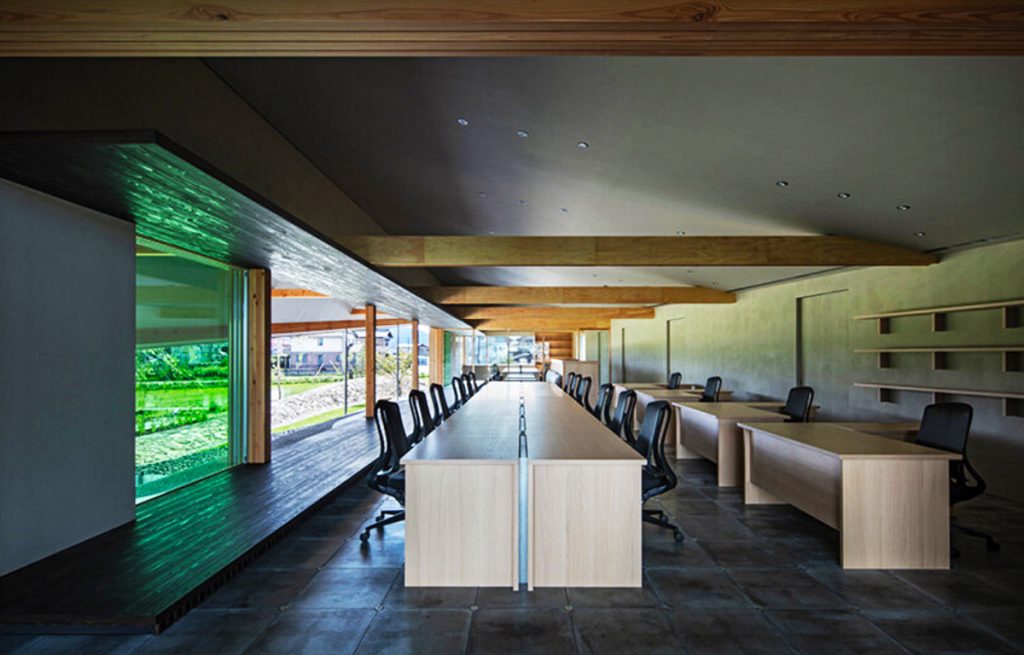
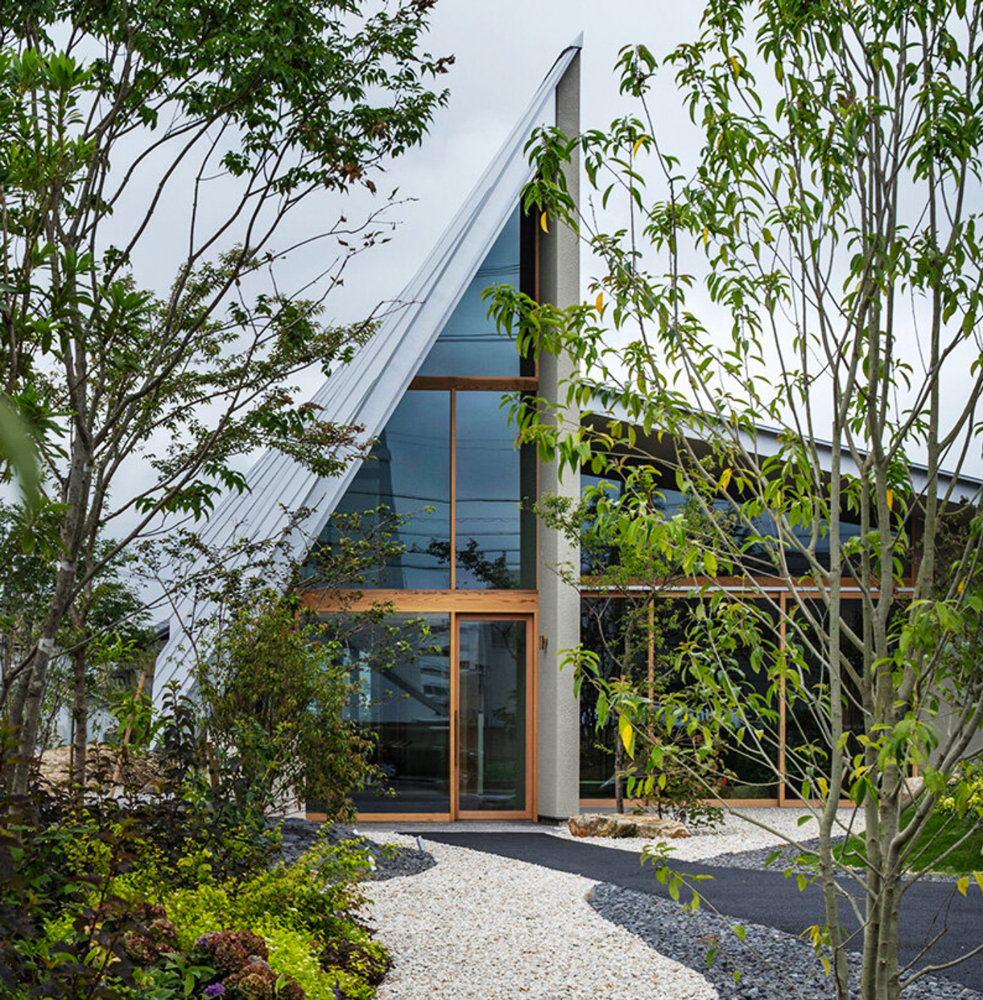
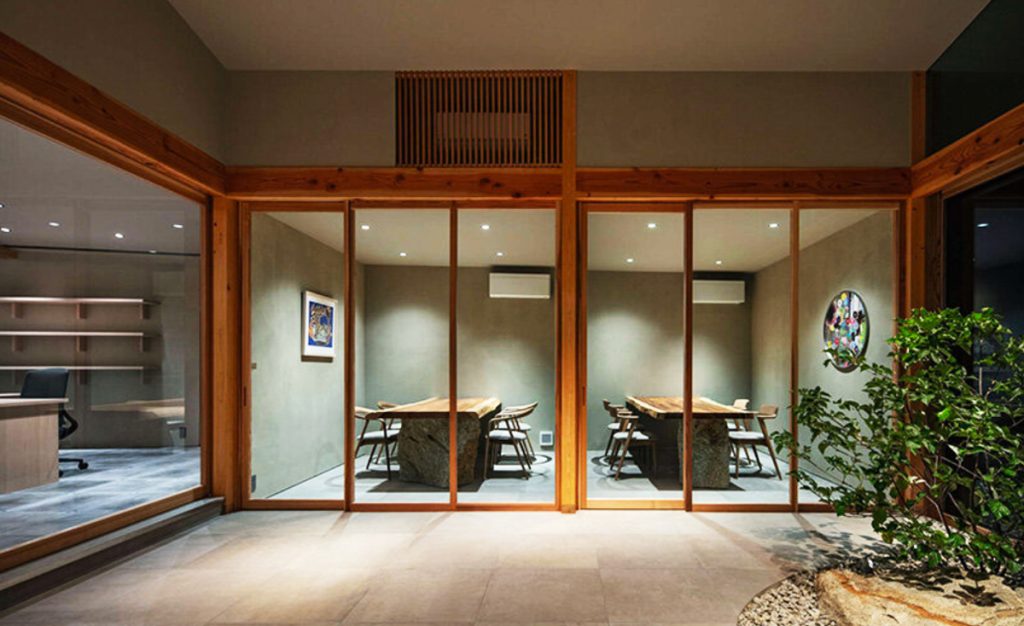
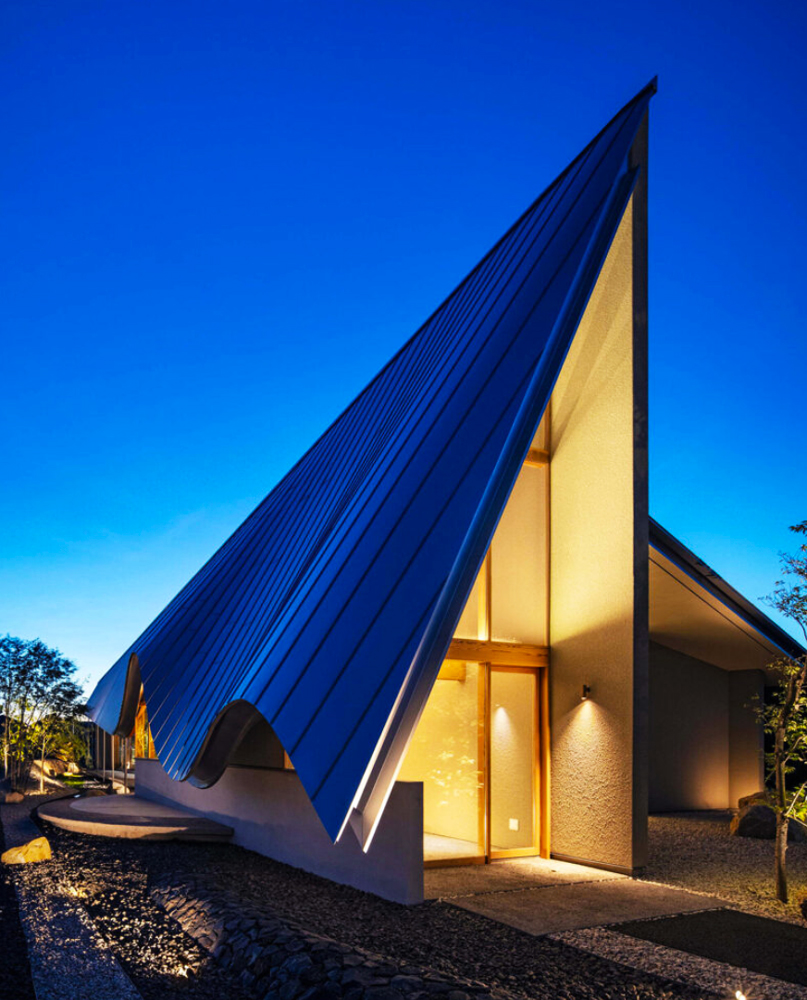
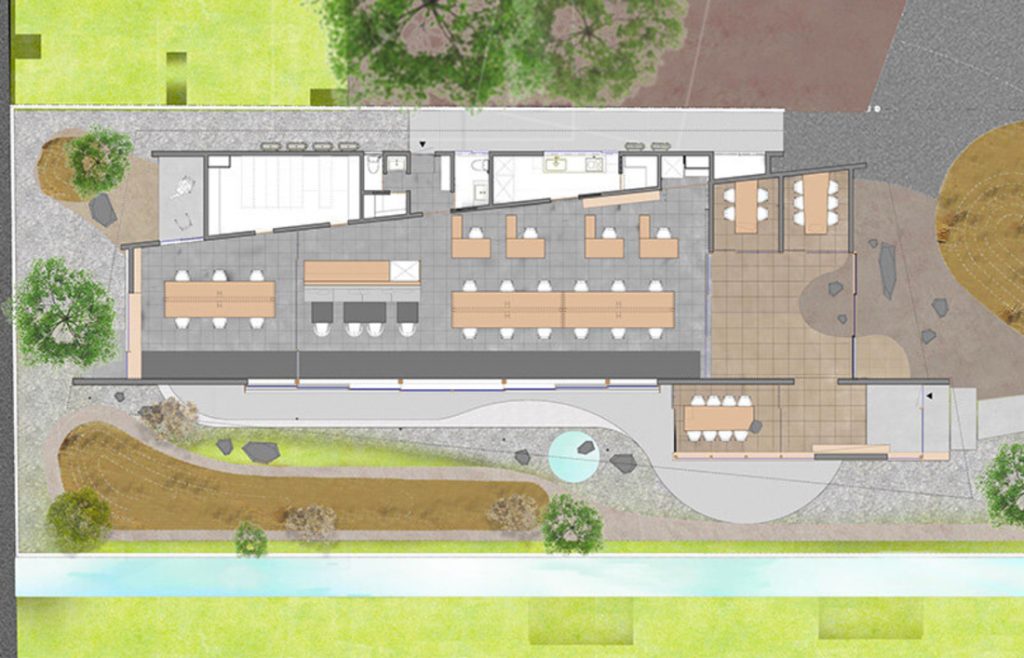
The defining element is the sweeping roof — a gently rising, east-oriented profile with eaves that drop low toward the ground. This creates a striking silhouette while enabling delicate light shifts throughout the day. Beneath this canopy, a sequence of tall entrance halls, meeting spaces, terraces, and planted courtyards blend into one another.
Core spatial components include:
• A dramatic, undulating roof that frames the sky and captures natural light
• Low eaves that create intimacy, shade, and grounded proportions
• South-facing openings for controlled daylight and ventilation
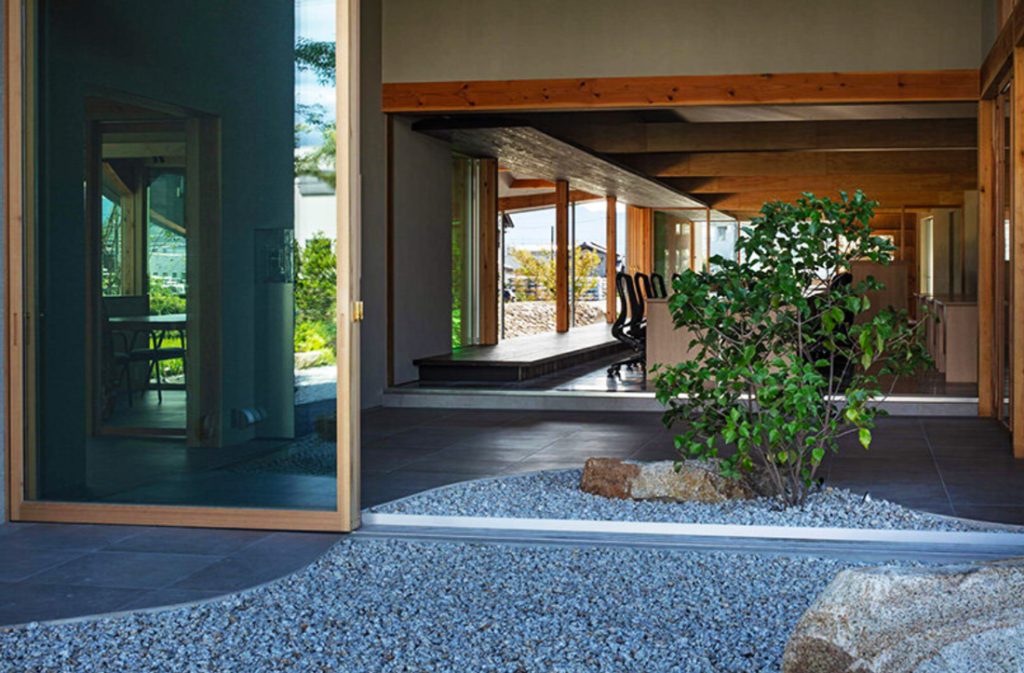
• Intermediate terraces and courtyards that soften boundaries between interior and landscape
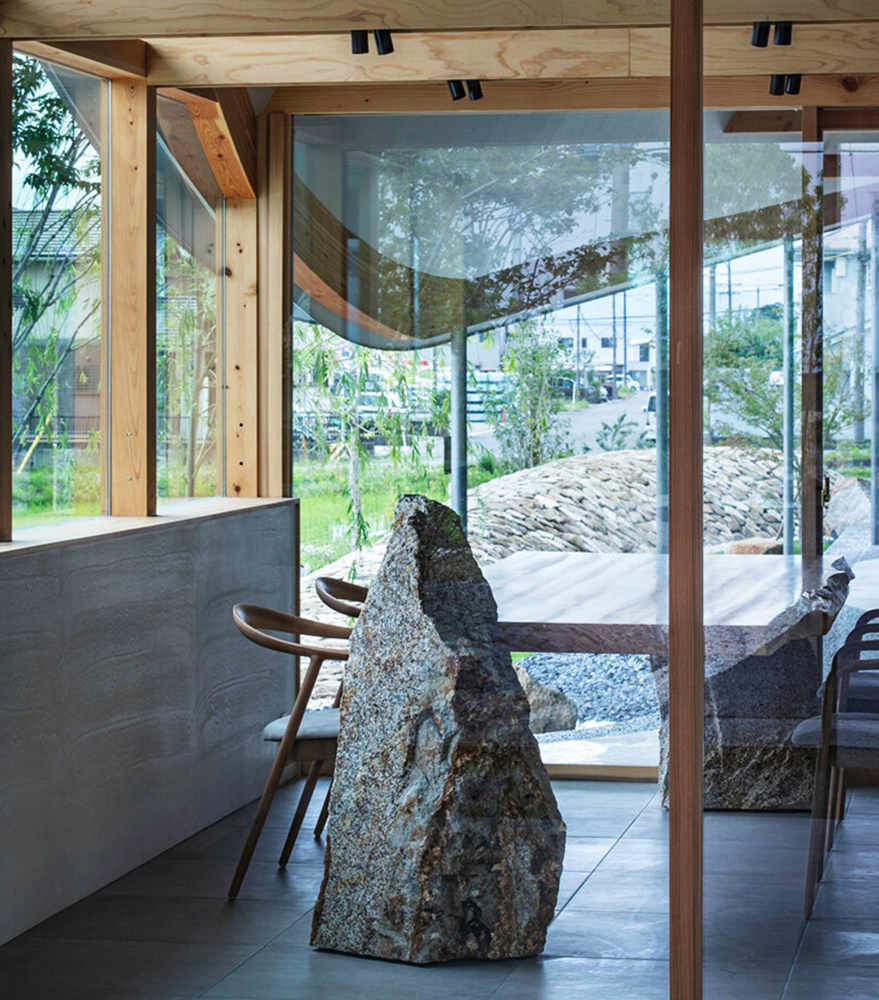
• Planted zones and stone elements that echo the agricultural surroundings
The result is a workspace where interior architecture and rural landscape operate as one integrated environment.
Development & Investment Potential
The headquarters demonstrates a high-impact, low-footprint development model well suited to smaller firms and regional cities. Its architectural character strengthens brand identity while supporting employee well-being.
Investment advantages include:
• A long-lasting, recognizable corporate presence
• Reduced long-term operational costs through passive design strategies
• A distinctive headquarters that enhances recruitment and retention
• A replicable development approach for organizations in rural or semi-rural locations
By delivering architectural quality without excessive scale or cost, the project serves as a development blueprint for companies seeking meaningful identity outside major urban centers.
Sustainability & Innovation
Sustainability is embedded through passive environmental strategies rather than technology-heavy solutions. The building responds directly to climate, wind movement, and solar orientation.
Key sustainable features:
• Natural ventilation encouraged by roof geometry and openings
• Deep eaves that reduce overheating while allowing seasonal light
• Courtyards that support microclimate comfort
• Minimal disturbance to the agricultural surroundings
• Material restraint and compact footprint reducing embodied impact
The building’s innovation lies in pairing architectural subtlety with environmental intelligence — an increasingly relevant approach for rural development.
Challenges & Considerations
Context-driven architecture requires careful stewardship over time. The building’s natural materials and low eaves may need additional maintenance, especially in seasons of heavy rain, humidity, or strong winds.
Additional considerations include:
• Indoor–outdoor continuity demanding seasonal adaptability
• Difficulty replicating the same spatial intimacy in denser or urban sites
• Ensuring long-term upkeep of planted courtyards and outdoor transition zones
Despite these factors, the benefits of a highly contextual and serene work environment outweigh the operational demands for many clients.
Urban Impact & Legacy
Though modest in size, the headquarters contributes a meaningful architectural presence to Hashima’s rural landscape. Its design reframes the surrounding fields as an essential part of daily life, creating a workplace that elevates the ordinary through careful observation and spatial calm.
The project’s legacy emerges through:
• A model for rural Japanese workplaces rooted in nature
• A precedent for small-scale developments that prioritize landscape over scale
• A demonstration of how architecture can strengthen corporate identity through humility, not spectacle
Office in Hashima stands as a quiet but influential statement: even modest programs can become powerful when they align with the rhythms of land and light.
The project highlights how subtle, context-driven design can shape a workplace into something serene, grounded, and enduring — a thoughtful contribution to the evolution of rural architectural practice.
Project Facts & Figures
• Location: Hashima City, Gifu Prefecture, Japan
• Client: Local civil-engineering & real-estate company
• Completion: 2025
• Gross Floor Area: 302 m²
• Architects: Atelier Nagara + PERMANENT Co., Ltd.
• Lead Architects: Takuya Iwata, Kazuo Hara, Masaki Takeuchi
• Program: Headquarters office with meeting rooms, courtyards, and outdoor terraces