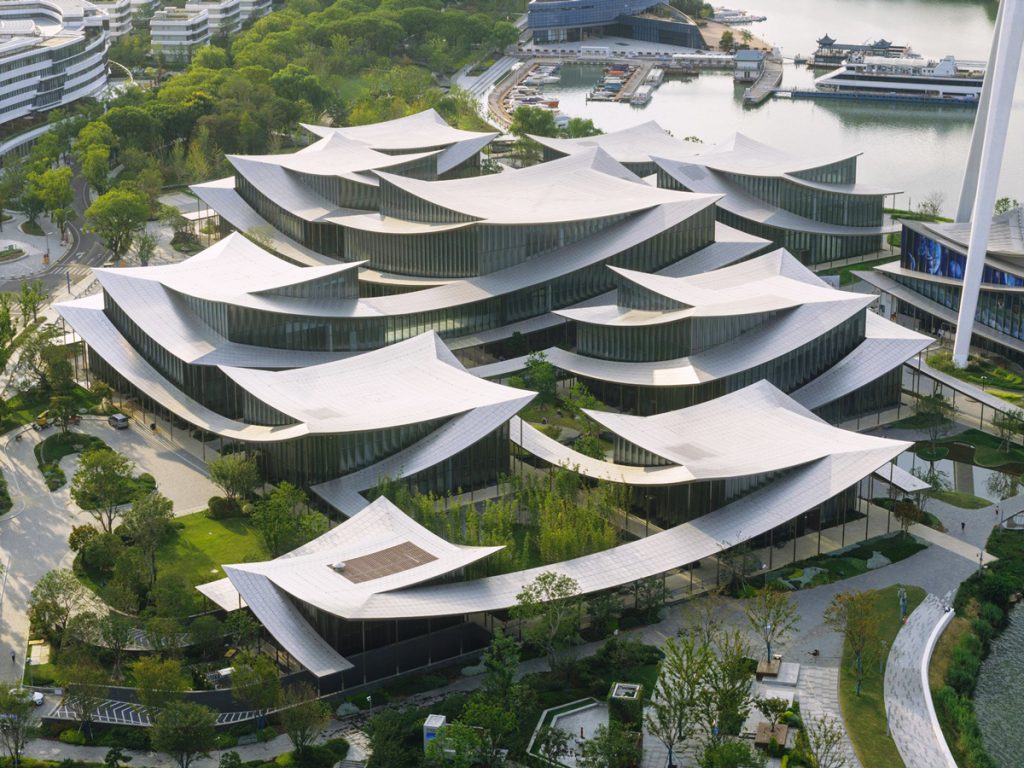
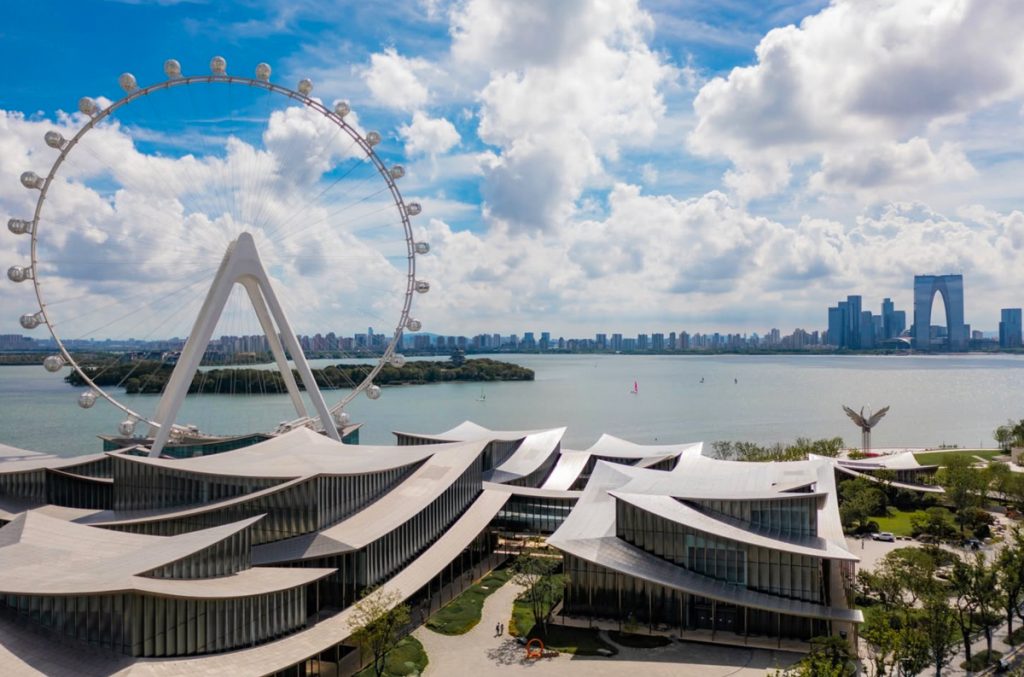
Poised on the shimmering edge of Jinji Lake, the Suzhou Museum of Contemporary Art (MoCA) reimagines the city’s centuries-old garden tradition through a futuristic architectural lens. The museum’s sculptural form and sweeping ribbon-roof stand as a new cultural landmark for one of China’s most historic yet forward-looking cities.
Vision & Strategic Positioning
Commissioned by Suzhou Harmony Development Group, this ambitious project spans roughly 60,000 m² and anchors the city’s cultural and creative expansion along the waterfront. Its vision intertwines heritage and innovation — a contemporary interpretation of Suzhou’s famous garden and water-based urbanism.
The museum’s strategic location within the Jinji Lake district enhances Suzhou’s international cultural standing, blending art, tourism, and leisure into a cohesive civic experience. It symbolizes the city’s transformation from a historic silk capital into a creative hub for the 21st century.
Master Plan & Core Components
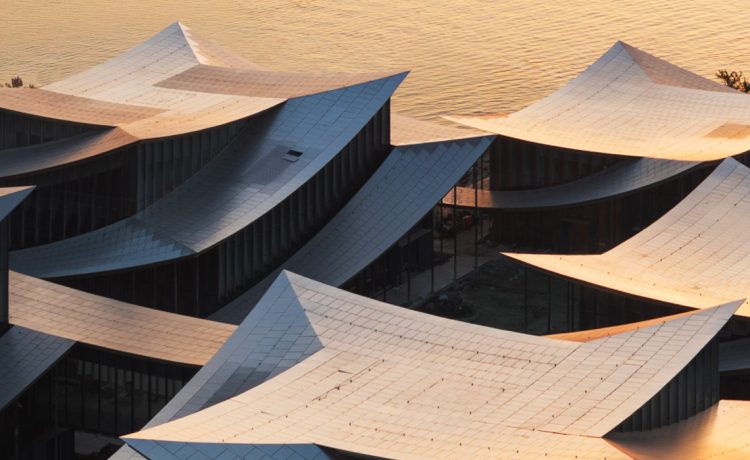
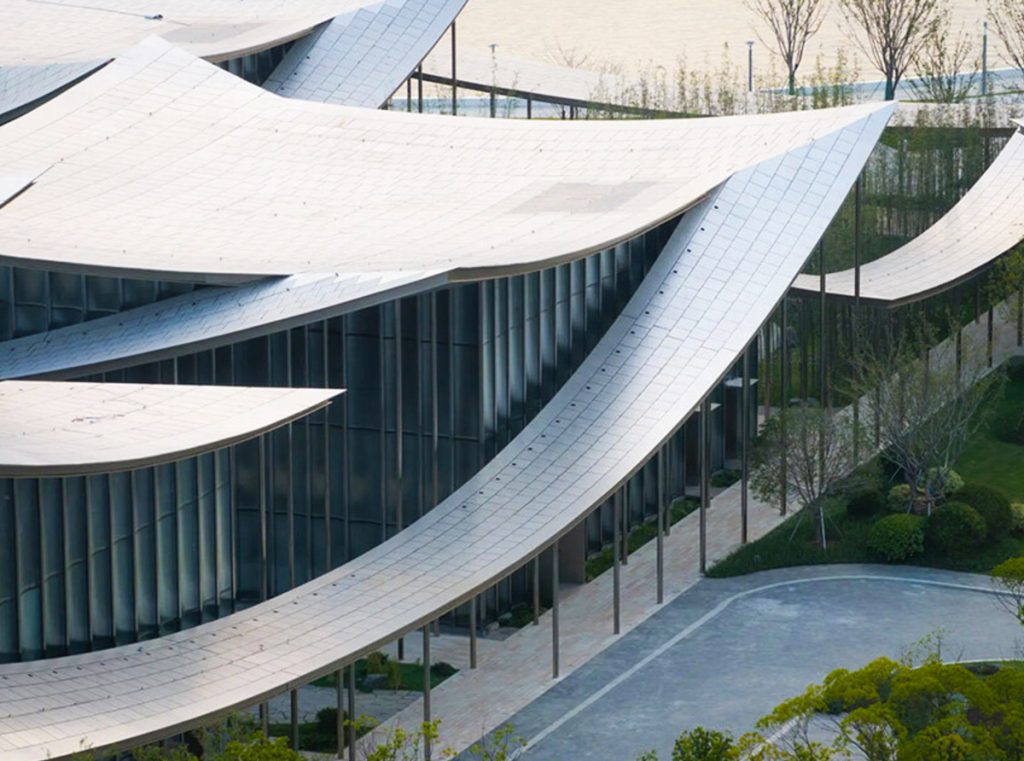
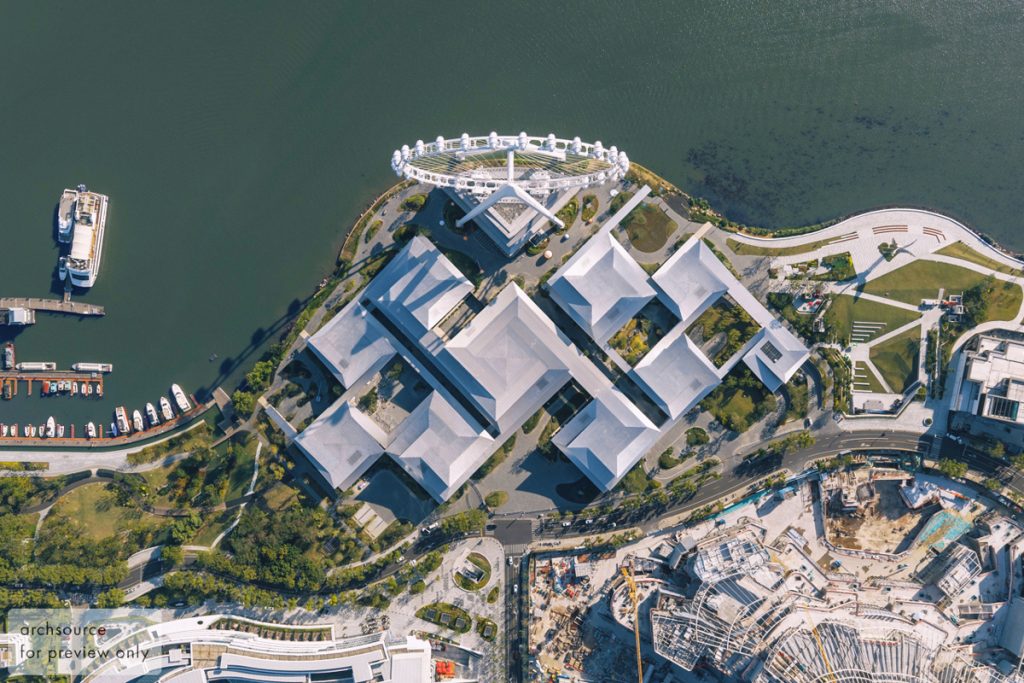
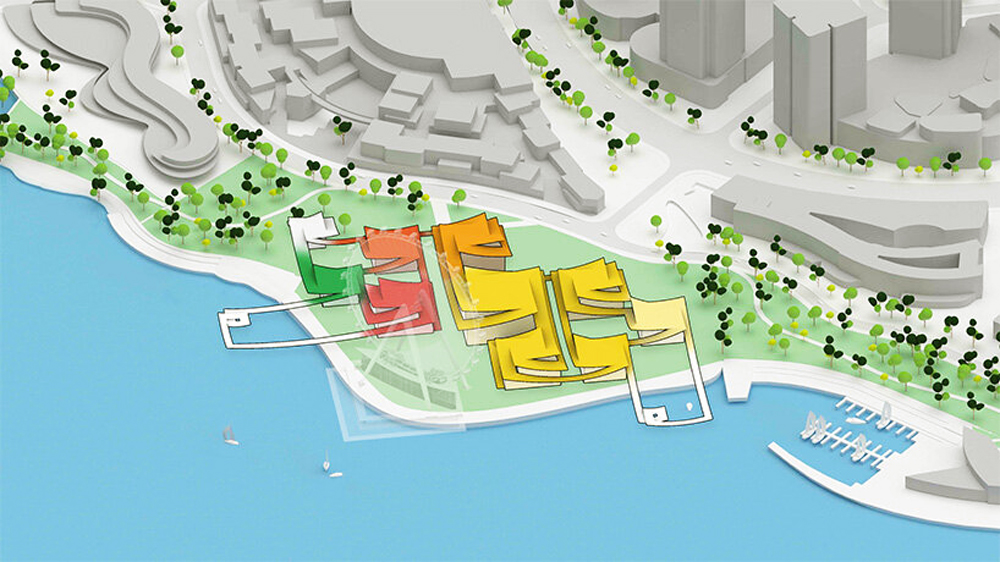
Designed by Bjarke Ingels Group (BIG) in collaboration with ARTS Group and Front Inc., the Suzhou MoCA unfolds as a “garden of pavilions.” Twelve interconnected buildings flow together beneath a continuous ribbon-like roof inspired by the covered corridors found in classical Suzhou gardens.
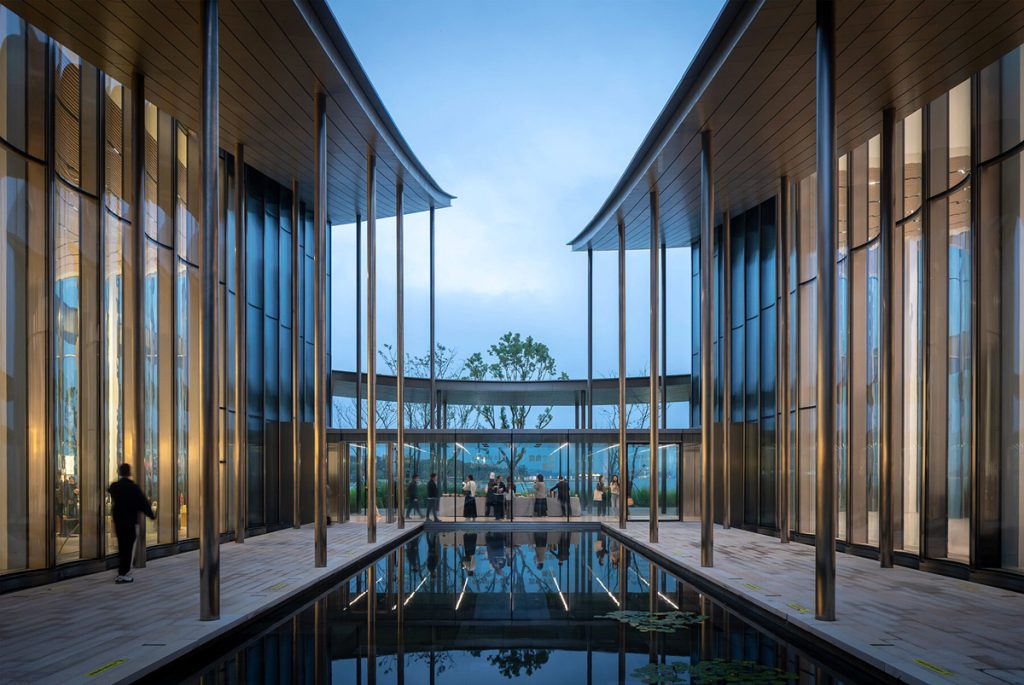
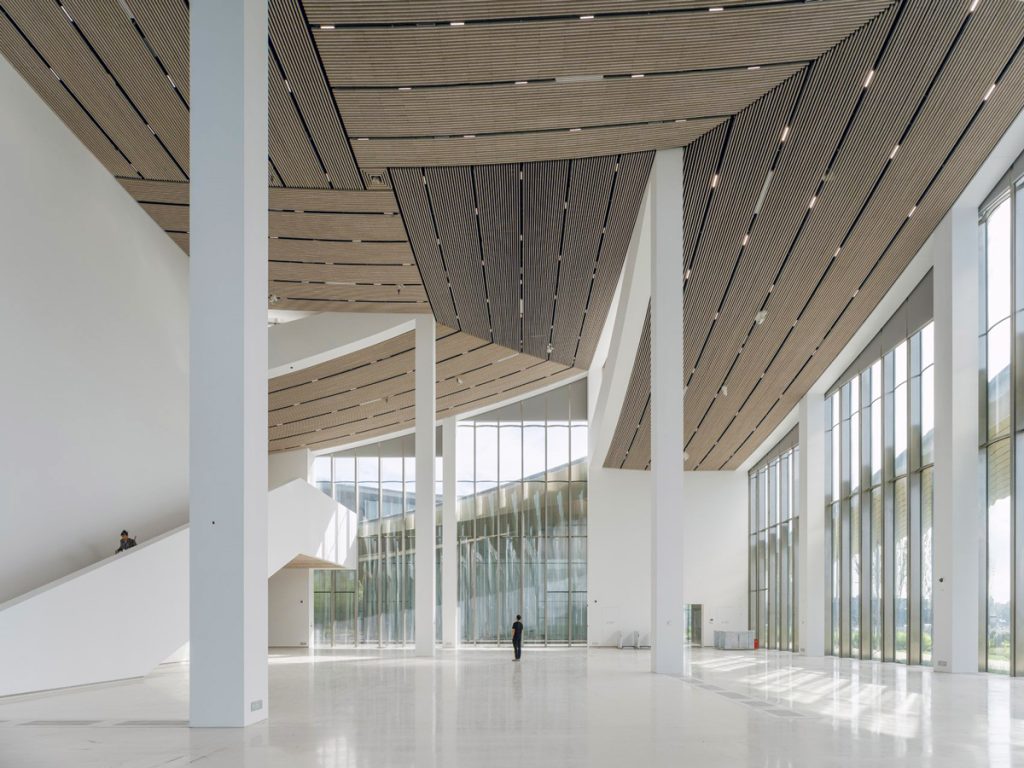
The program is composed of four main gallery pavilions complemented by a grand entrance hall, multifunctional auditorium, theatre, dining areas, and a series of landscaped courtyards that transition seamlessly into the lakeside environment. Visitors move through layered pathways — above, below, and between pavilions — echoing the spatial rhythm of traditional gardens while embracing modern fluidity.
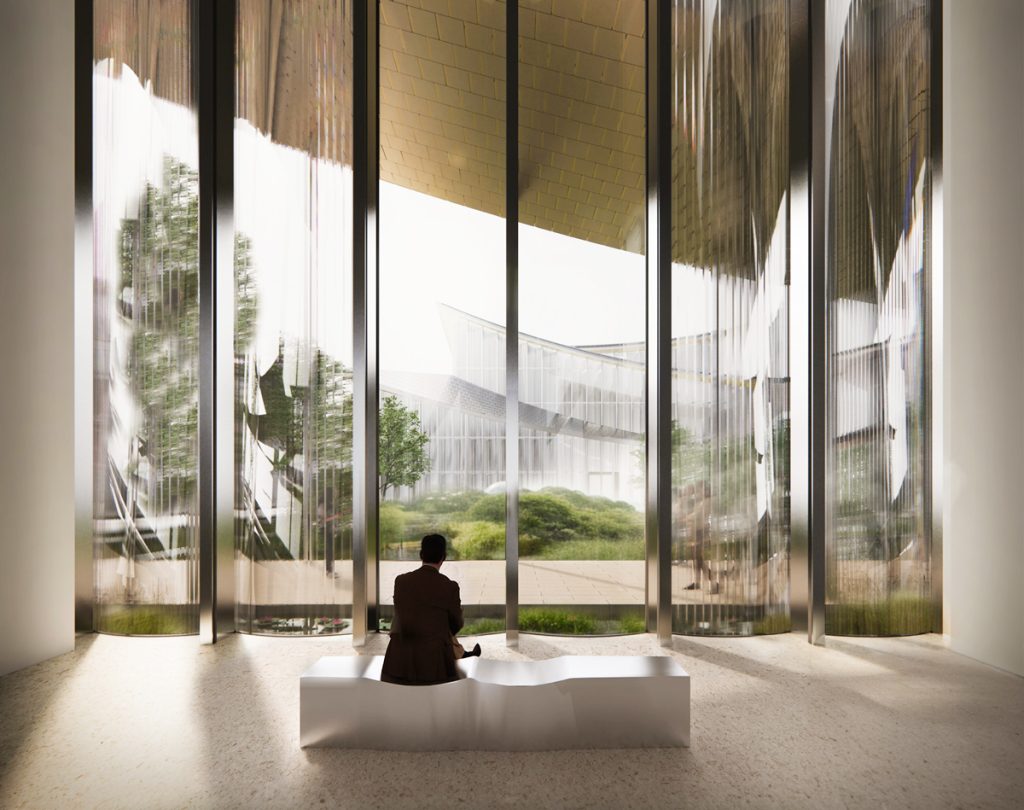
The architecture uses curved glass and warm metallic cladding to mirror the lake and sky, creating a poetic dialogue between built form and natural reflection.
Development & Investment Potential
The Suzhou MoCA is not merely a cultural venture; it represents a broader urban catalyst. Its presence boosts real estate, hospitality, and retail value throughout the waterfront district. By attracting global exhibitions, tourism, and high-profile cultural events, the museum enhances both civic prestige and economic growth.
As part of a public-private collaboration model, it illustrates how art and design can anchor long-term investment and elevate a city’s brand in an increasingly competitive cultural landscape.
Sustainability & Innovation
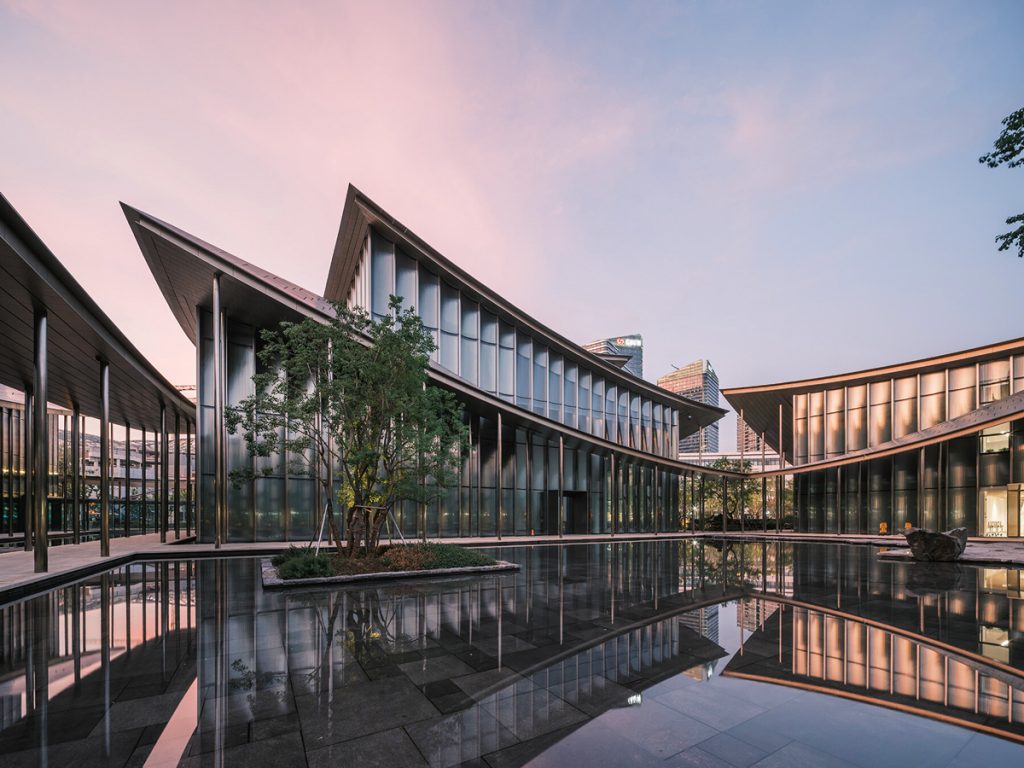
Sustainability is integral to the design. The museum targets China’s GBEL 2-Star Green Building certification and incorporates passive shading, natural ventilation, and regionally sourced materials. The undulating roof is not only sculptural but functional, supporting efficient daylighting and water management systems.
Landscape integration plays a vital role — paved plazas fade into greenery, which transitions to wetland planting along the lake edge, merging ecology with human experience. The architecture thus acts as both gallery and garden, a breathing organism of culture and environment.
Challenges & Considerations
The project’s complexity presents certain challenges. The interconnected nature of the twelve pavilions demands precise engineering and coordination. Operational success will depend on sustained curatorial excellence and public engagement, ensuring the building remains alive with creative energy rather than becoming a static icon.
Balancing monumental architecture with human-scale experiences is key — the museum must function as a civic space as much as an art showcase, engaging locals and visitors alike.
Urban Impact & Legacy
Once open, the Suzhou Museum of Contemporary Art will redefine cultural identity for the region. It bridges ancient heritage with global ambition, revitalizing the waterfront and setting a benchmark for museum architecture in Asia.
Its legacy lies not only in its form but in its function — inspiring creativity, fostering education, and reaffirming Suzhou’s role as a crossroads between history and innovation.
Summary
The Suzhou Museum of Contemporary Art embodies the spirit of a modern Suzhou — elegant, reflective, and inventive. With its fluid architectural language, immersive landscape, and forward-looking vision, it promises to be more than a museum: it is a living testament to the fusion of art, nature, and urban evolution.
Project Facts & Figures
- Project: Suzhou Museum of Contemporary Art (MoCA)
- Location: Jinji Lake waterfront, Suzhou, Jiangsu Province, China
- Size: Approx. 60,000 m² (646,000 sq ft)
- Architects: Bjarke Ingels Group (BIG) with ARTS Group and Front Inc.
- Structure: Twelve interconnected pavilions beneath a continuous undulating roof
- Key Features: Four main galleries, multifunction hall, theatre, restaurant, and landscaped courtyards
- Sustainability Goal: China GBEL 2-Star certification
- Planned Completion: 2026