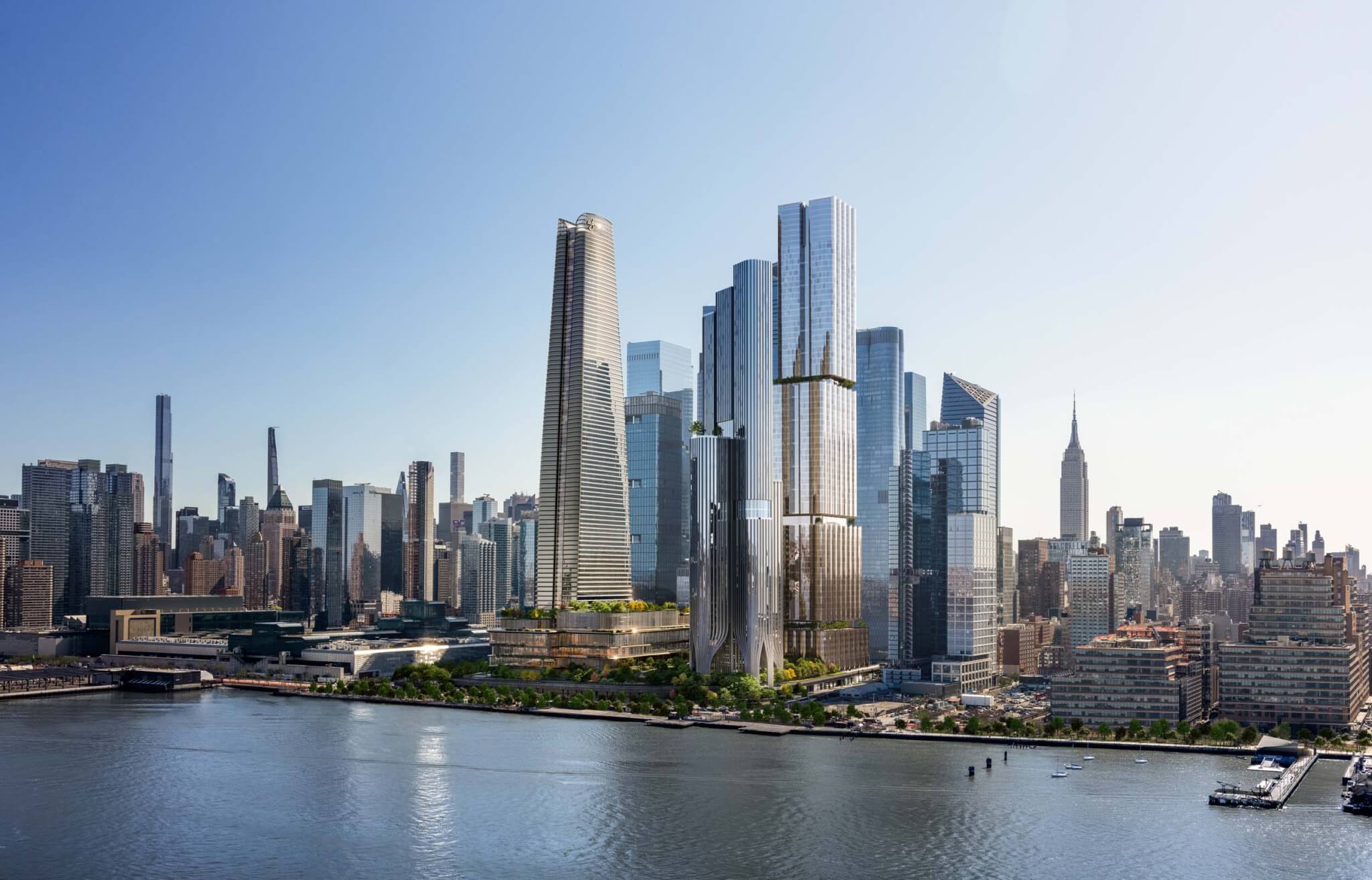
Hudson Yards West marks the next defining chapter in New York City’s ever-evolving skyline. Rising on the western edge of Manhattan, this expansion of the original Hudson Yards development transforms a once-industrial rail yard into a mixed-use urban realm centered on community, livability, and sustainable growth. With its zoning approvals secured and a renewed focus on housing and open public spaces, Hudson Yards West reimagines the city’s western frontier not only as a business hub but as a true neighborhood.
Unlike its predecessor—which leaned heavily on corporate and luxury retail identity—this new phase is about balance: more homes, more schools, more greenery, and more inclusivity. The project signals New York’s commitment to urban regeneration that reflects both the realities of post-pandemic city life and the enduring allure of Manhattan as a global address.
Vision & Strategic Positioning

Hudson Yards West is strategically positioned between the dynamic commercial grid of Midtown and the Hudson River’s waterfront horizon. It seeks to extend the vibrancy of the city grid while softening its edge with parks, residential enclaves, and community infrastructure.
The vision behind this ambitious project is twofold: to sustain Manhattan’s status as a world leader in urban innovation, and to humanize its skyline by integrating living spaces with workplaces, cultural venues, and open landscapes. The development pivots away from earlier plans that prioritized entertainment and gaming facilities, focusing instead on long-term livability and social equity.
Through this shift, Hudson Yards West aligns with a broader citywide movement toward mixed-income housing, improved public access, and architectural openness—an evolution of New York’s urban DNA that values inclusion as much as ambition.
Master Plan & Core Components
The Hudson Yards West master plan builds upon the extraordinary foundation of its first phase—one of the largest private real estate projects in U.S. history. Spanning approximately 13 acres, this phase is conceived as a seamlessly integrated neighborhood that prioritizes people as much as progress.
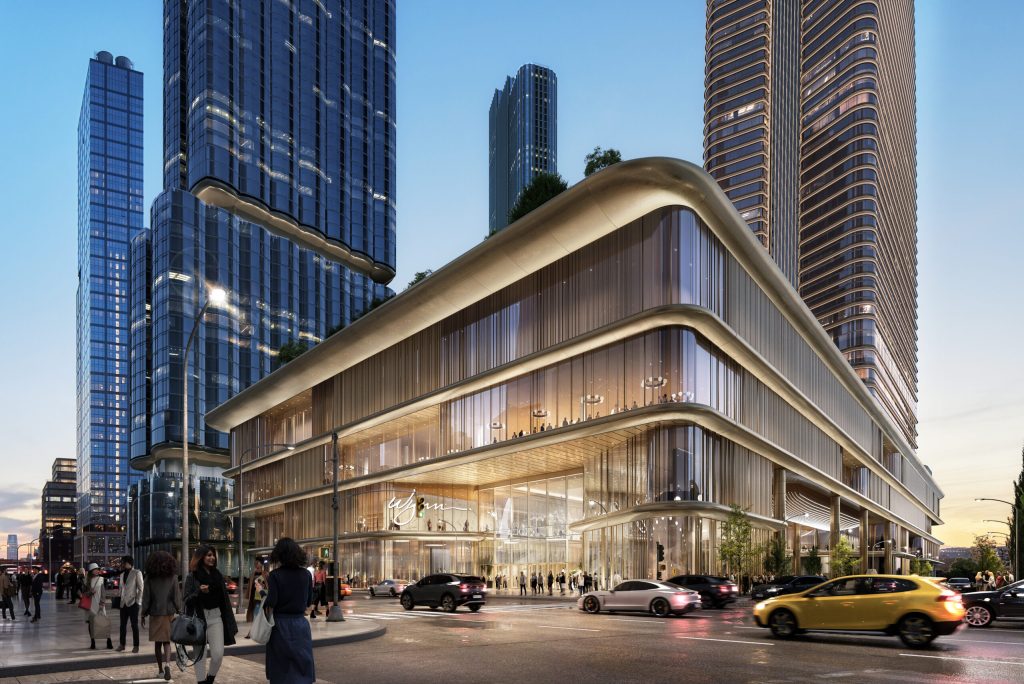
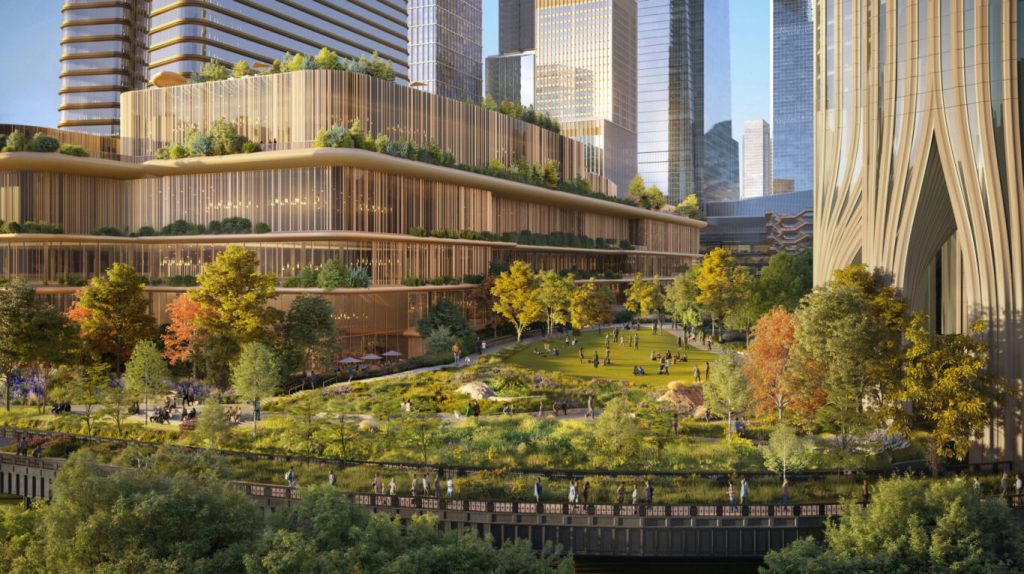
Developed by Related Companies and Oxford Properties Group, in partnership with the City of New York and the Hudson Yards Infrastructure Corporation, the plan incorporates architecture and design by leading firms including Skidmore, Owings & Merrill and FXCollaborative.
Core Elements
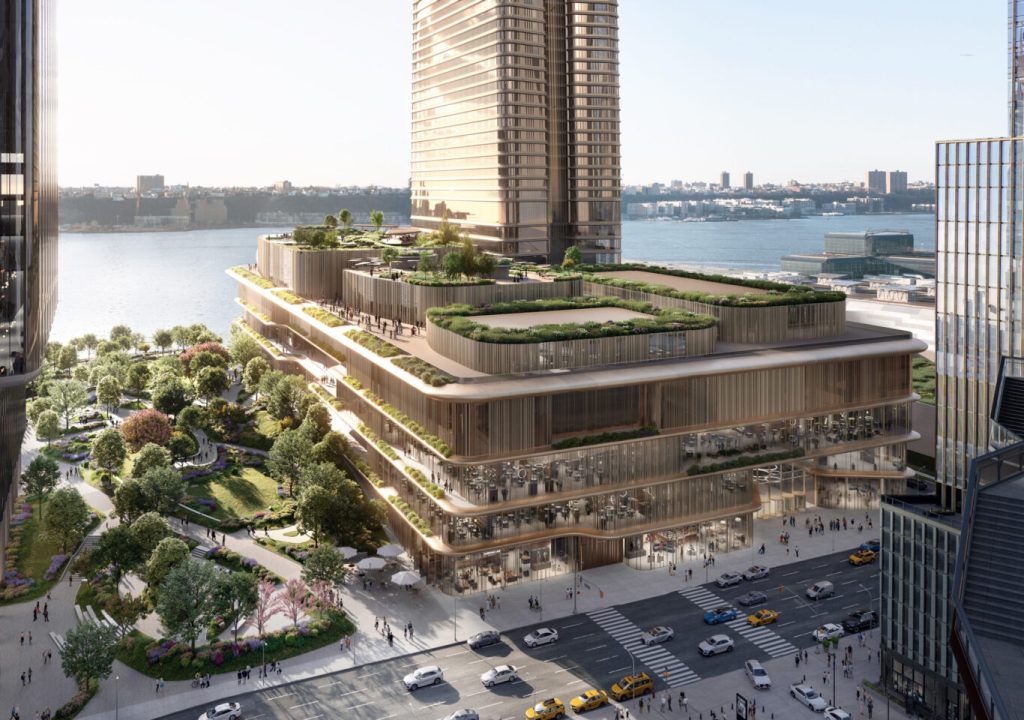
- Residential Living: Approximately 4,000 new residential units, with more than 600 designated as permanently affordable—bringing long-term housing diversity to the West Side.
- Public Realm: Over 6 acres of landscaped open space, pedestrian promenades, plazas, and recreational lawns forming a green network that connects to the High Line and Hudson River Park.
- Education & Services: A new K–8 public school for roughly 750 students, alongside daycare and community facilities, ensuring the area supports families as well as professionals.
- Commercial & Retail Space: Flexible office, hospitality, and retail zones designed for next-generation tenants seeking transit access, waterfront proximity, and dynamic urban context.
- Infrastructure: Expansion of the platform structure above the active rail yards, representing one of the most advanced feats of urban engineering in the world.
Hudson Yards West is envisioned as a self-sustaining ecosystem—dense yet open, bold yet human-scaled—connecting culture, commerce, and community in equal measure.
Development & Investment Potential
For developers and investors, Hudson Yards West offers one of the most compelling opportunities in North America’s urban real estate landscape. The project capitalizes on land scarcity in Manhattan, while addressing contemporary demands for flexibility and resilience in the built environment.
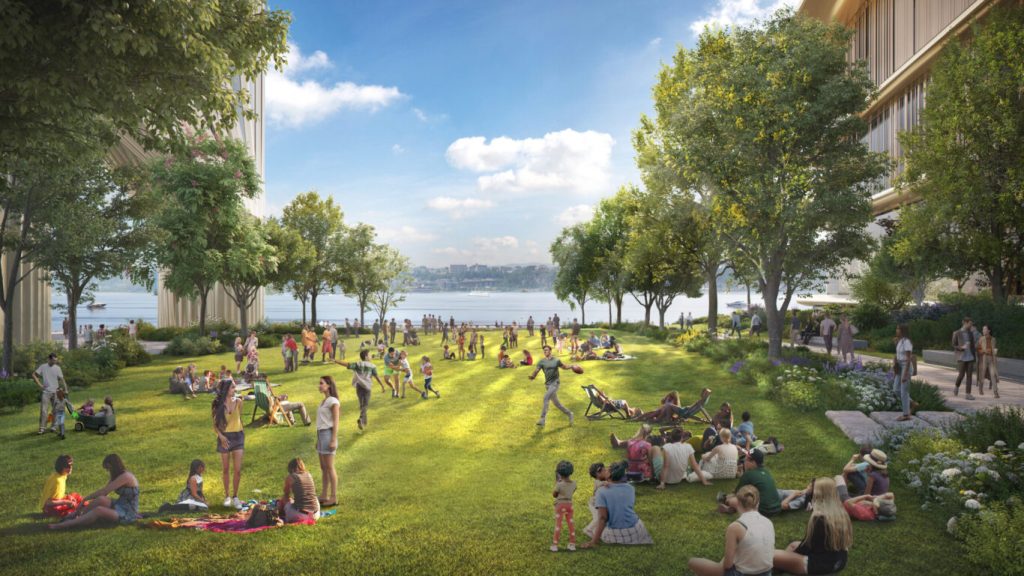
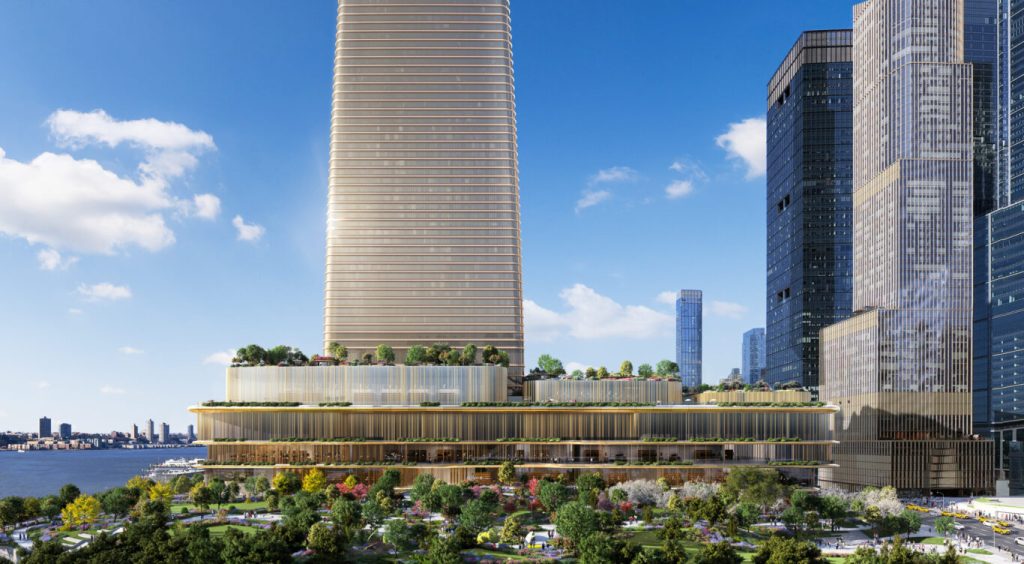
Beyond its physical scope, Hudson Yards West demonstrates a broader economic narrative: a shift from corporate monoculture to diversified urban value creation. It signals confidence in New York’s recovery and the rising demand for quality residential and mixed-use developments.
Investment Highlights
- Prime Location: Manhattan’s western waterfront—minutes from Penn Station and the Midtown core.
- Market Resilience: Long-term demand for residential and hospitality uses offsets the volatility of office markets.
- Public-Private Synergy: Government-backed affordable housing incentives support developer returns while enhancing community integration.
- Placemaking Dividend: Green public spaces, schools, and mixed-use zoning elevate long-term asset value and livability.
- Scale of Vision: A multibillion-dollar endeavor set to anchor the next generation of West Side investment.
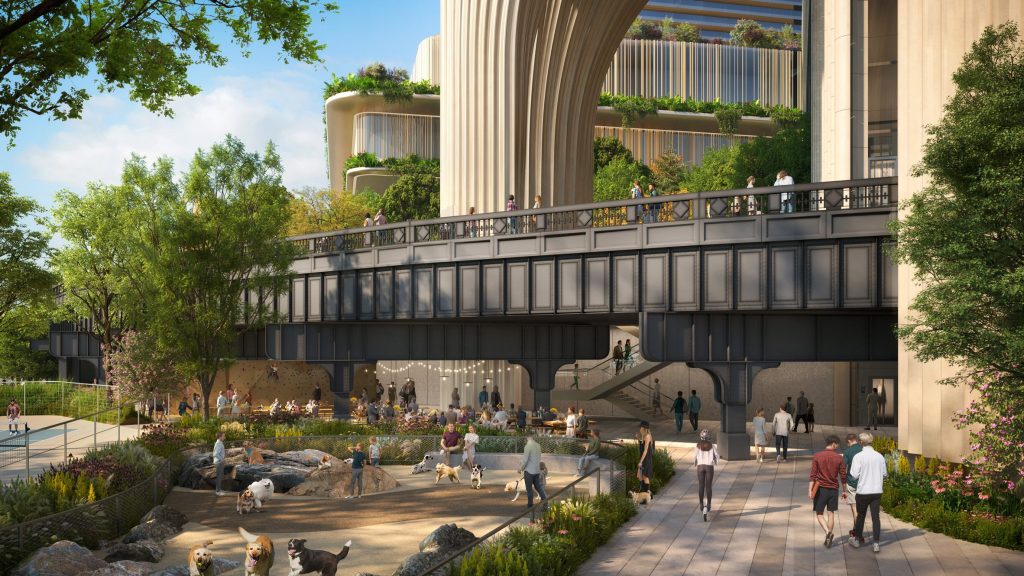
As New York continues redefining what post-industrial urban renewal looks like, Hudson Yards West stands as a benchmark of both ambition and adaptability.
Sustainability & Innovation
Sustainability lies at the core of Hudson Yards West’s identity. Building atop active rail infrastructure requires innovation on every level—from engineering and materials to energy and mobility. The project will extend the legacy of Hudson Yards’ first phase, which was hailed for its advanced district-energy systems, smart-grid integration, and high-performance façades.
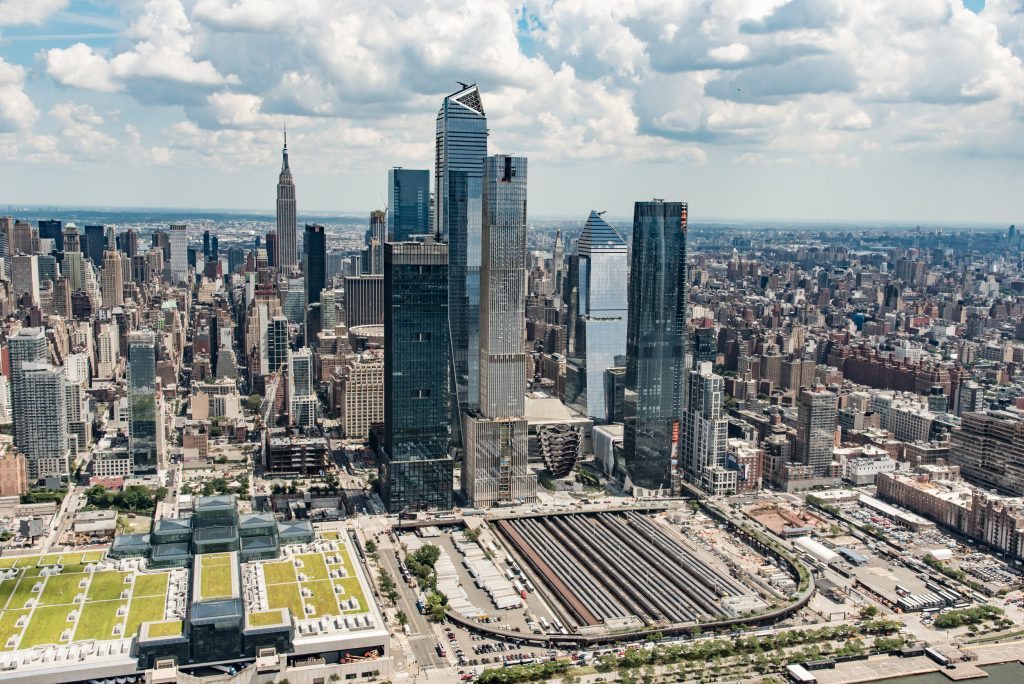
Future phases are expected to push these boundaries further through carbon-efficient design, green roofs, and water-management systems embedded within the elevated platform. Sustainable mobility is also central: bike lanes, pedestrian connectivity, and proximity to mass transit ensure reduced reliance on cars.
Innovation will equally manifest in its adaptive programming—spaces that can evolve with shifting lifestyles, work models, and technologies—ensuring that Hudson Yards West remains relevant for decades to come.
Challenges & Considerations
Transforming one of the most complex infrastructural sites in the world into a thriving community does not come without obstacles.

Key Challenges
- Engineering Complexity: Constructing above an active rail yard demands constant coordination between public agencies, developers, and transit authorities.
- Economic Cycles: Fluctuating real estate markets and construction costs can impact financing and delivery timelines.
- Urban Critique: The first phase of Hudson Yards was criticized for exclusivity and limited street vitality; the new phase must overcome this by prioritizing inclusivity and genuine public life.
- Policy Evolution: Affordable-housing requirements, sustainability mandates, and community engagement expectations continue to evolve—requiring adaptive planning.
- Infrastructure Integration: Seamlessly linking new parks, transit corridors, and residential clusters with the existing city grid poses both technical and aesthetic challenges.
Navigating these hurdles successfully will define the project’s ability to transform from an engineering marvel into a living, breathing part of the city’s social fabric.
Urban Impact & Legacy
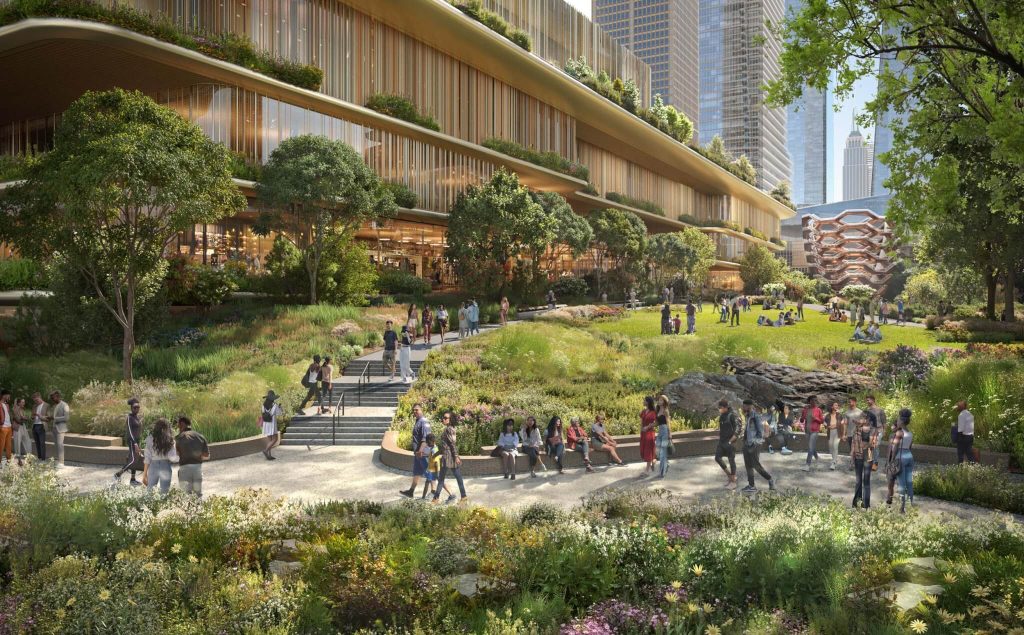
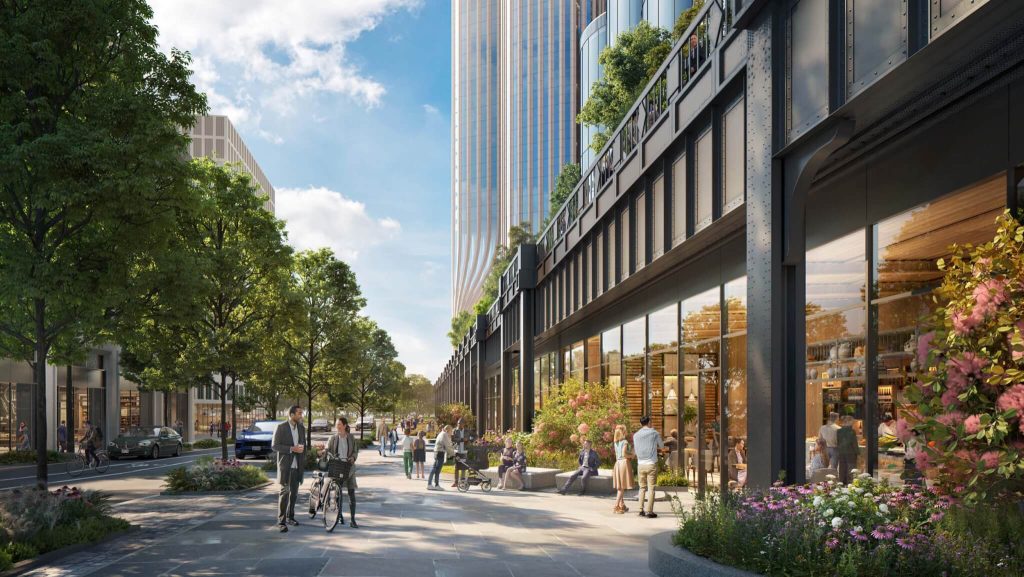
Hudson Yards West represents more than another skyline addition—it’s a statement about how New York envisions its future. The project extends the city westward, reclaiming rail air-rights to create an entirely new civic district that celebrates density, diversity, and design.
Its impact will be felt across multiple layers: urban mobility through stronger waterfront access; social inclusion through affordable housing; cultural activation through art and open-space programming; and environmental stewardship through sustainable building systems.
Over time, Hudson Yards West will become a model for large-scale, mixed-use regeneration in global cities—proof that growth and grace can coexist when vision meets responsibility.
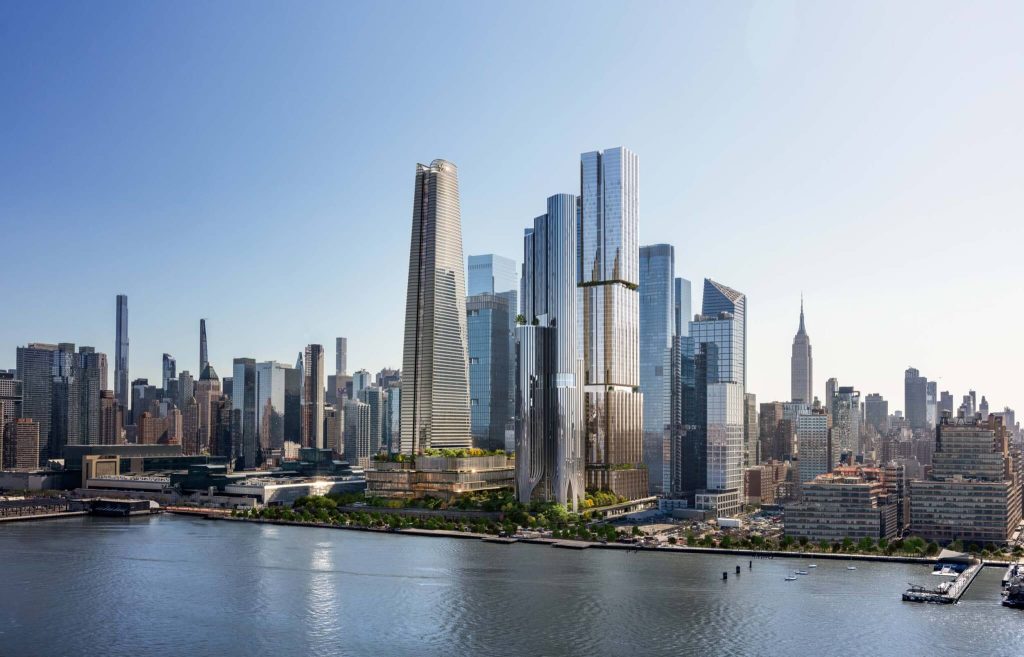
Summary
Hudson Yards West redefines the narrative of urban expansion in New York City. It takes the monumental success and lessons of its predecessor and applies them to a more grounded, human-centric blueprint—where homes, parks, schools, and skyline coexist in harmony.
By prioritizing social inclusion, public space, and sustainable infrastructure, it exemplifies how large-scale private development can align with civic good. Hudson Yards West is not only reshaping Manhattan’s horizon—it’s reshaping the philosophy of how cities evolve.
Hudson Yards West stands poised to complete one of the most transformative chapters in New York’s architectural and urban history—a symbol of a city always looking forward, yet learning from its own skyline.
Project Facts & Figures
- Location: Manhattan’s Far West Side, between 11th and 12th Avenues
- Developers: Related Companies & Oxford Properties Group
- Total Site Area: ~13 acres (Phase 2 of Hudson Yards)
- Residential Units: ~4,000 units, including 625 affordable
- Public Open Space: ~6.6 acres
- Education Facilities: 1 K–8 school with 750 seats
- Estimated Project Value: ~$12 billion (Phase 2)
- Full Hudson Yards Value: ~$32 billion
- Architectural Contributors: Skidmore, Owings & Merrill; FXCollaborative; Kohn Pedersen Fox; Diller Scofidio + Renfro (in associated phases)
- Timeline: Construction targeted to advance in stages through the late 2020s