Stretching along the unspoiled northwestern shores of Saudi Arabia’s Red Sea coast, AMAALA emerges as one of the world’s most visionary ultra-luxury and wellness destinations. Conceived under Saudi Arabia’s Vision 2030 framework, this transformative project aims to redefine coastal tourism by harmonizing art, health, and environmental consciousness.
Encompassing over 4,000 km² in the Tabuk Province, AMAALA is envisioned as a sanctuary for the senses — a place where pristine marine ecosystems meet innovative design and world-class hospitality. It’s a destination that mirrors the Kingdom’s ambition to merge sustainability with sophistication, creating a global benchmark for regenerative tourism.
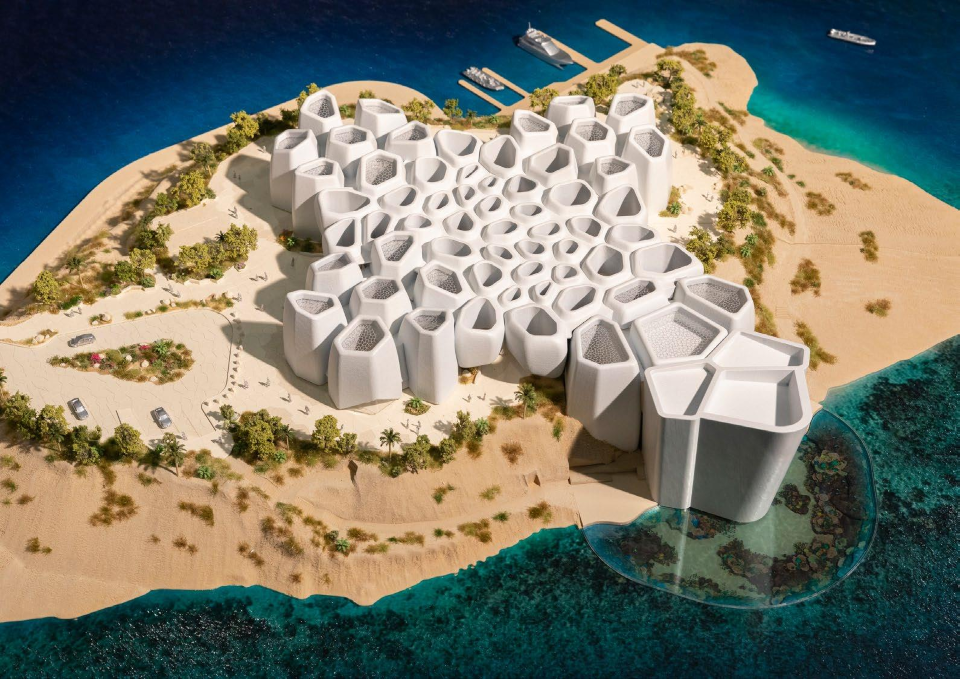
Vision & Strategic Positioning
AMAALA positions itself as the epicenter of luxury wellness and cultural discovery on the Red Sea. Unlike neighboring giga-projects such as NEOM or The Red Sea Project, AMAALA’s focus is deeply personal — built around the pursuit of wellness, creativity, and coastal serenity.
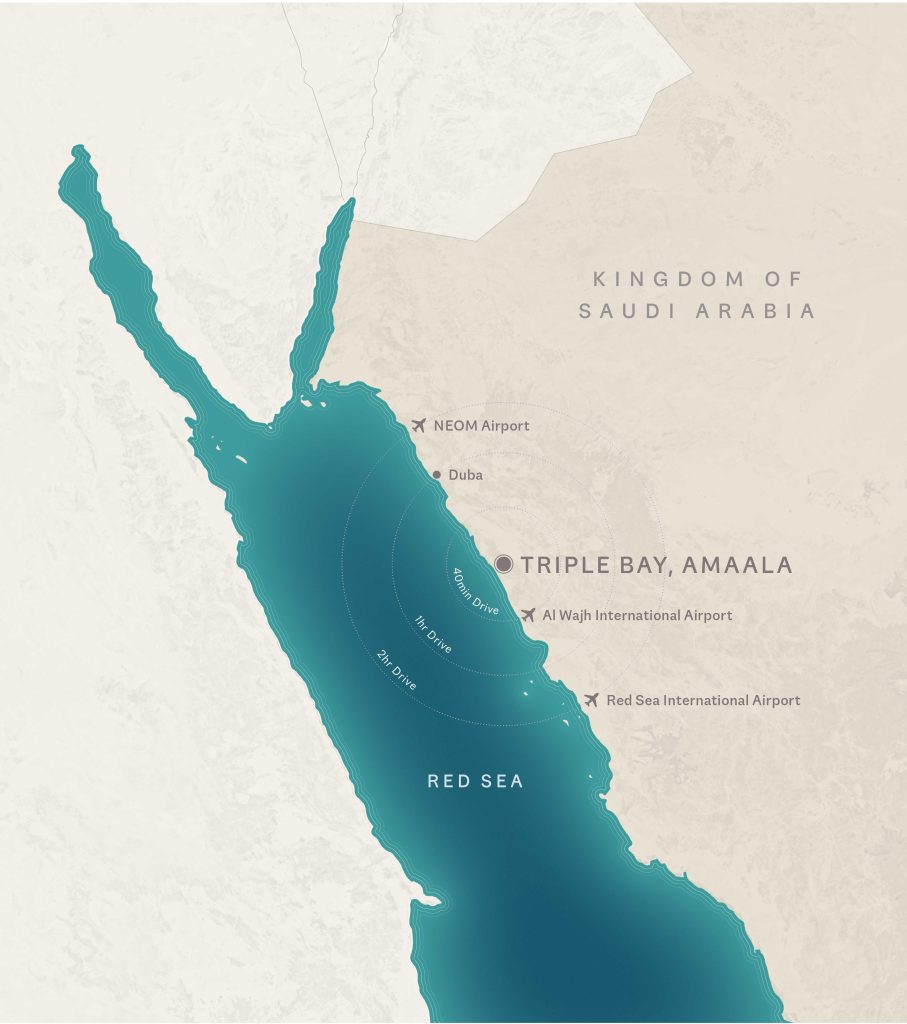
Strategically located between Europe, Asia, and Africa, the development capitalizes on a favorable climate and coral-rich marine environment to attract discerning travelers seeking exclusivity. It forms one of Saudi Arabia’s most refined responses to the global shift toward health-driven luxury tourism, embodying three core pillars: Wellness & Healthy Living, Art & Culture, and Sea, Sun & Lifestyle.
Master Plan & Core Components
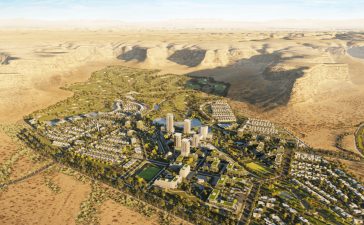
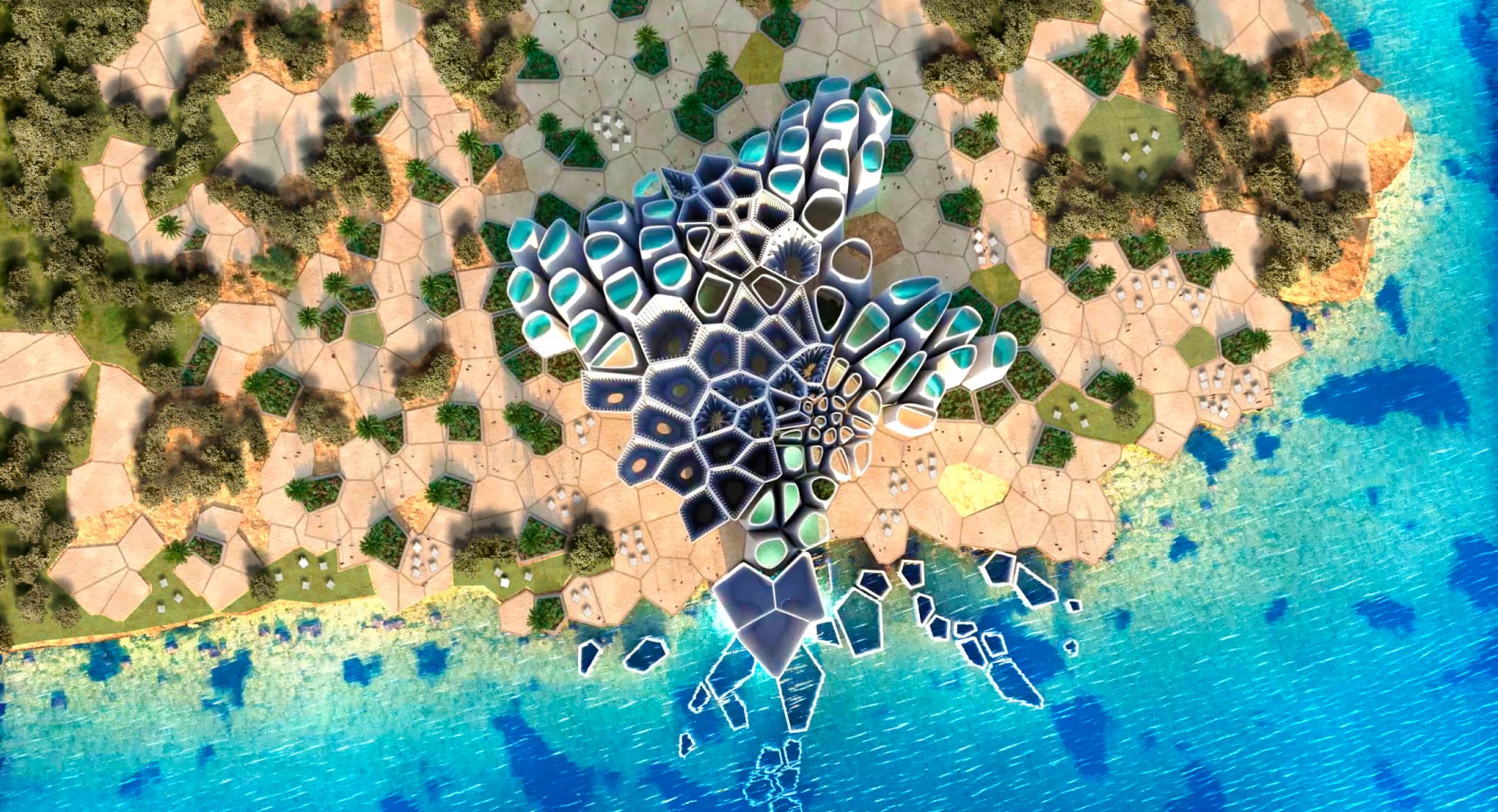
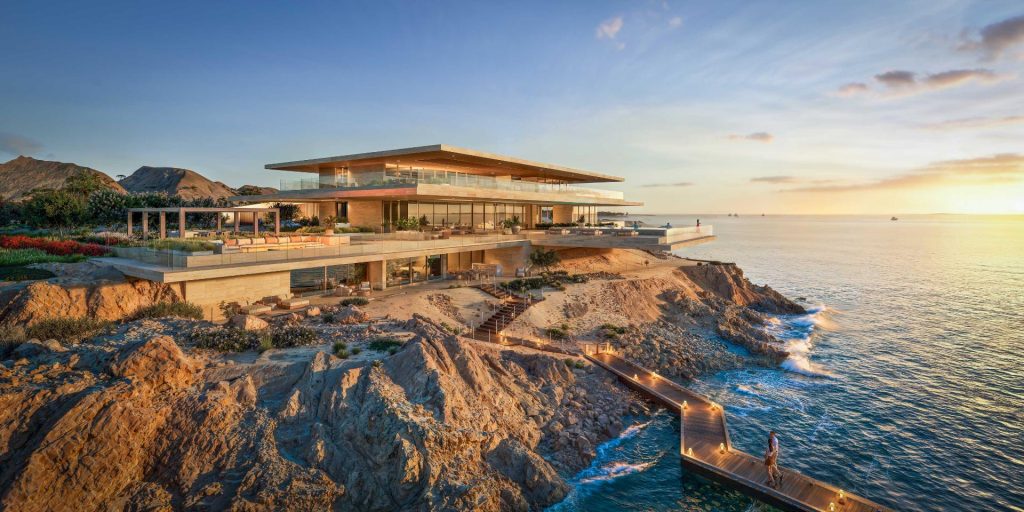
Designed as a series of intimately connected enclaves, AMAALA’s master plan revolves around three main regions — Triple Bay, Coastal Development, and The Island. Each serves a distinct experiential purpose, blending nature with curated design and bespoke hospitality.
The project is spearheaded by Red Sea Global, a subsidiary of the Public Investment Fund (PIF), and master-planned by HKS Architects, known for their visionary coastal architecture. Infrastructure and utilities are being developed through a partnership between EDF Group, Masdar, and SUEZ, with a sustainable $1.5 billion multi-utilities facility already reaching financial close.
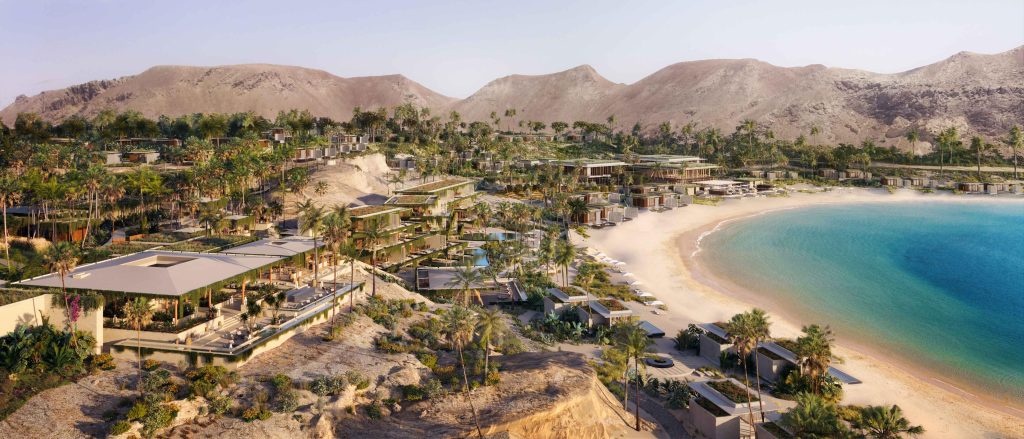
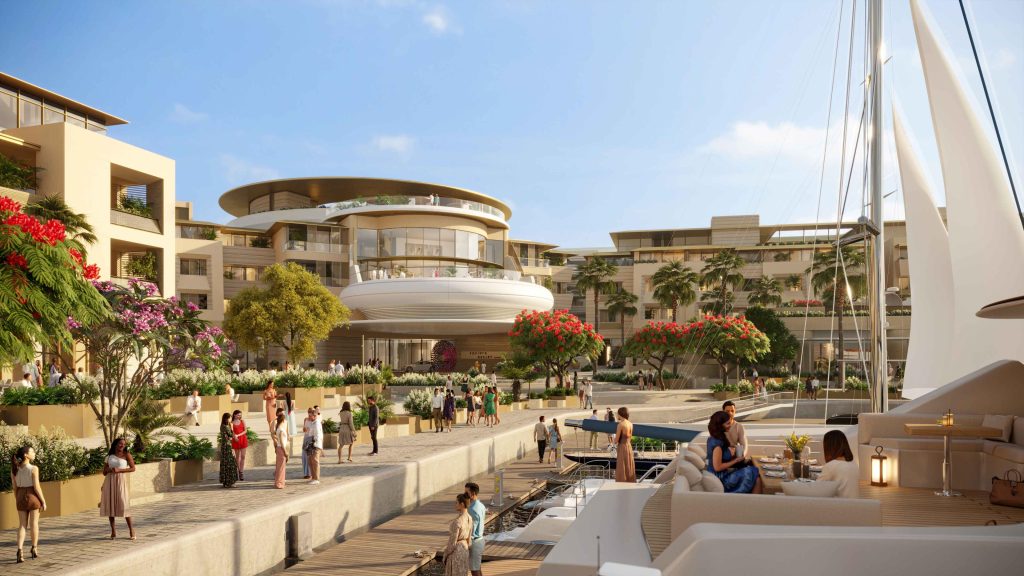
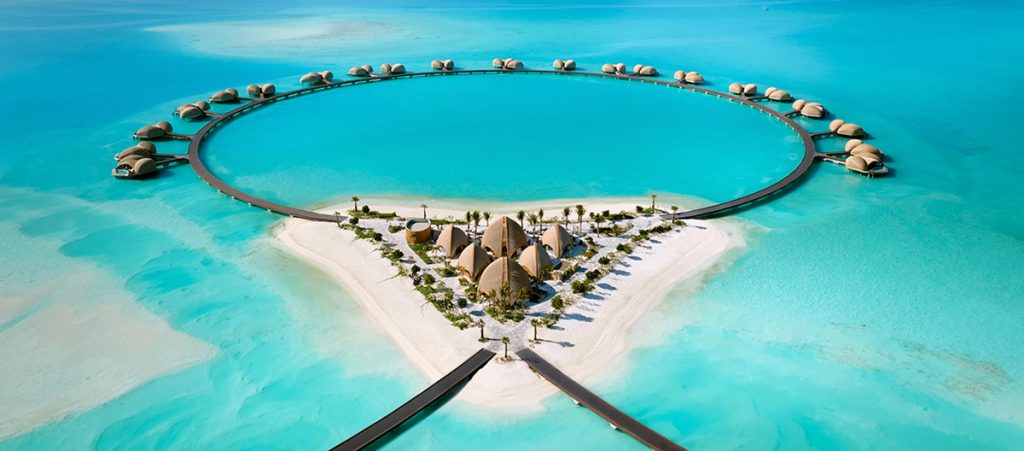
At completion, AMAALA will include:
- 29 luxury hotels with over 3,800 rooms and suites.
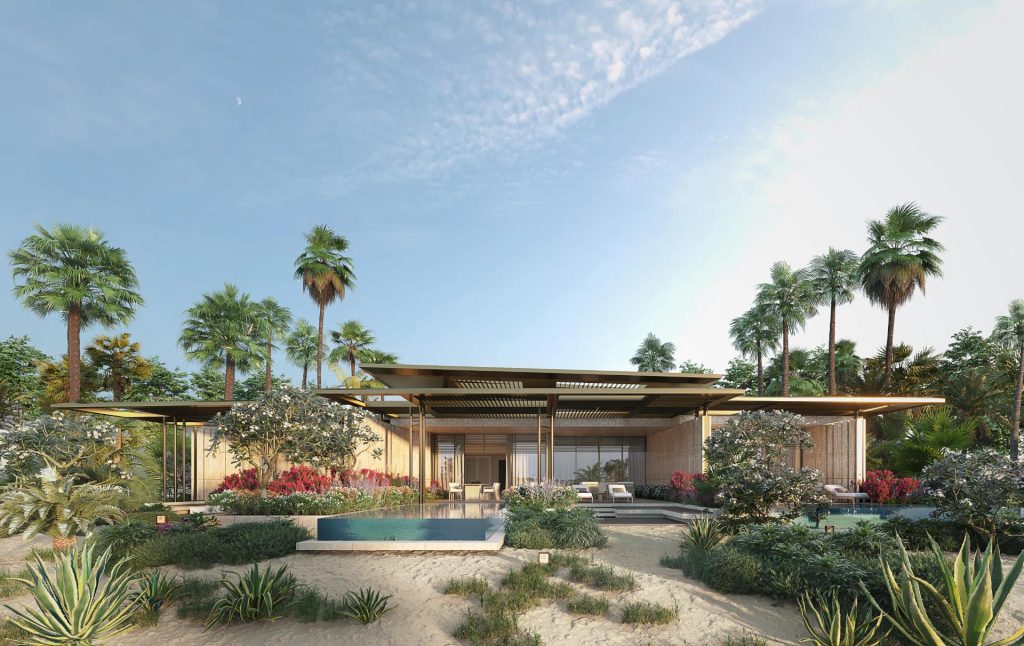
- 1,200 branded residences overlooking the Red Sea.
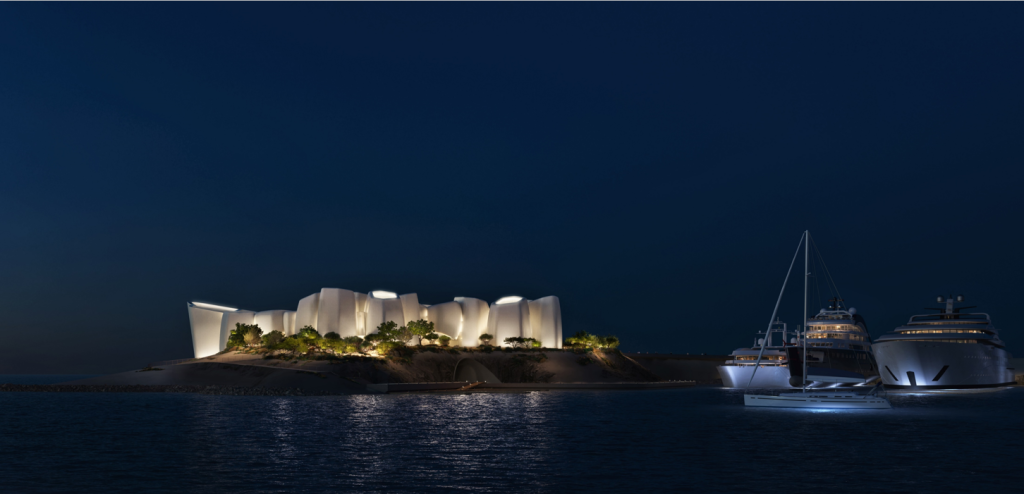
- A state-of-the-art marina designed for superyachts and marine lifestyle enthusiasts.
- A Marine Life Institute, combining conservation, education, and research.
- An Arts Village, hosting exhibitions, performances, and cultural residencies.
Triple Bay, the heart of AMAALA, will host flagship properties by Six Senses, Rosewood, and Equinox, each offering an immersive approach to health, wellness, and sustainable living.
Development & Investment Potential
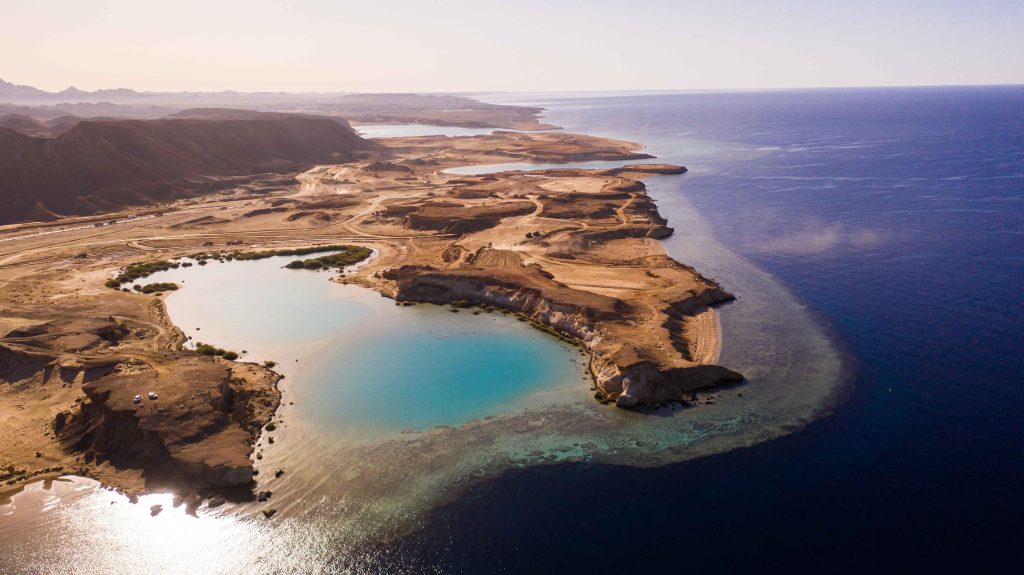
Backed by the Public Investment Fund, AMAALA stands as a flagship example of Saudi Arabia’s strategy to expand its non-oil economy through high-value tourism. The project’s phased rollout aligns with market realities and investor interest in sustainable luxury.
When fully operational, AMAALA is projected to contribute around SAR 11 billion (USD 3 billion) annually to Saudi GDP and generate over 50,000 jobs. The first phase — including seven resorts, a yacht club, and wellness centers — is scheduled for opening in 2025.
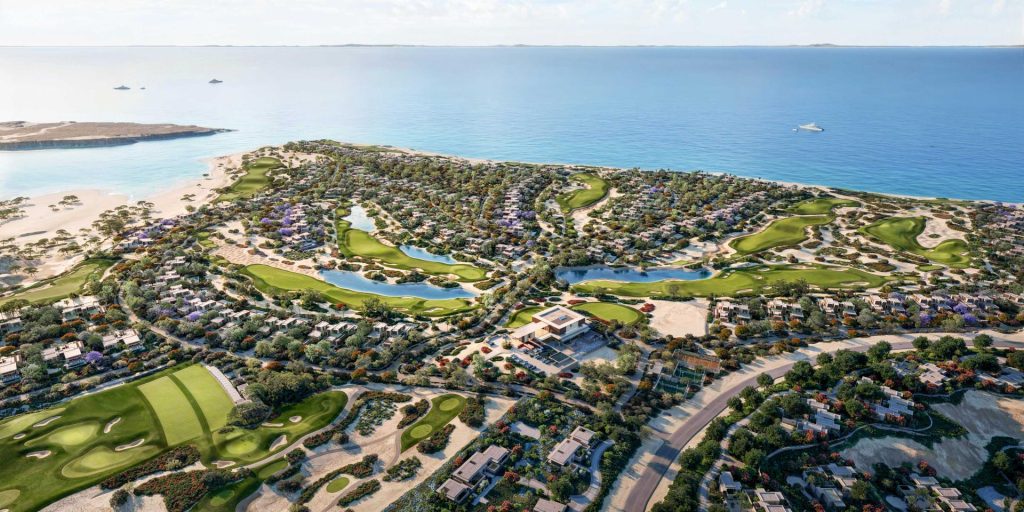
With strong government support, world-class partners, and global hospitality brands, AMAALA offers a compelling blend of lifestyle real estate, tourism yield, and brand equity. Its exclusive positioning within the Red Sea’s luxury corridor makes it a magnet for investors, operators, and affluent travelers seeking a regenerative coastal experience.
Sustainability & Innovation
Sustainability forms the foundation of AMAALA’s identity. From conception, the project was designed to operate on 100% renewable energy and to adhere to the highest environmental standards.
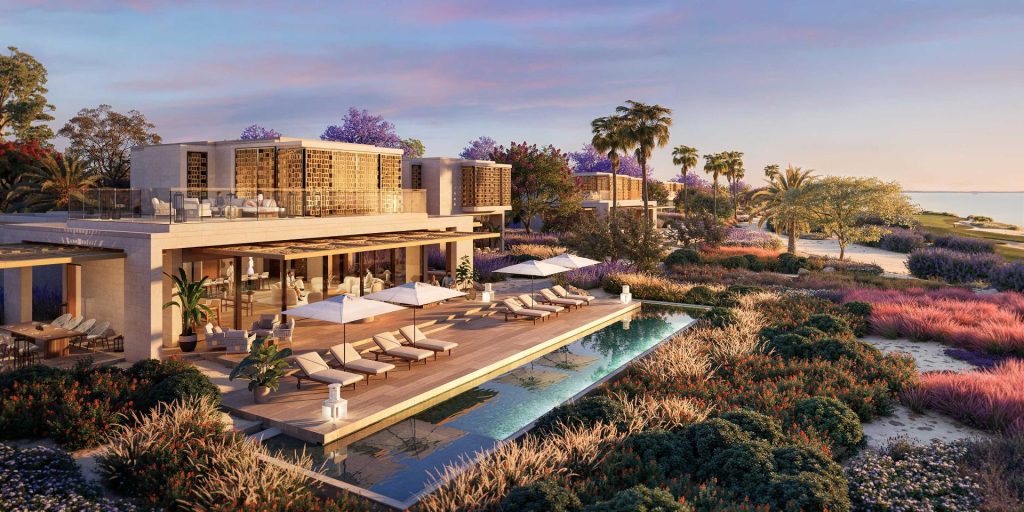
Key environmental and technological commitments include:
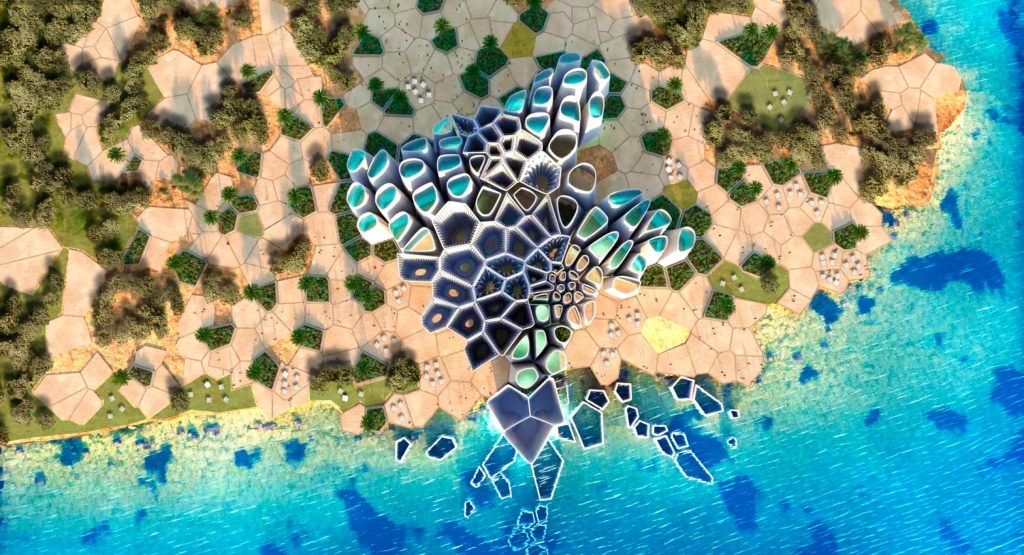
- Preservation of surrounding coral reef ecosystems through advanced marine monitoring and reef-regeneration initiatives.
- Smart infrastructure powered by solar and wind energy, supported by the Masdar-EDF utility consortium.
- Water recycling, waste reduction, and zero-carbon operations integrated into resort management systems.
- Regenerative landscaping that reintroduces native species and minimizes soil erosion along coastal zones.
AMAALA’s approach exemplifies how the future of ultra-luxury hospitality can coexist with conservation — setting a new global benchmark for sustainable destination design.
Challenges & Considerations
Despite its promise, AMAALA faces challenges common to large-scale coastal developments. Its remote setting demands extensive logistical coordination and environmental care. The ultra-luxury focus narrows its market reach, requiring flawless branding and guest experience to sustain year-round appeal.
Furthermore, balancing rapid construction timelines with ecological preservation presents ongoing complexity. Ensuring that the destination’s cultural and environmental values remain authentic — rather than purely commercial — will be key to its credibility and long-term success.
Urban Impact & Legacy
AMAALA’s significance extends far beyond its pristine shoreline. It is reshaping Saudi Arabia’s image as a progressive, sustainable, and world-class tourism hub. Its presence is expected to catalyze infrastructure growth in the Tabuk region, boost local employment, and set new standards for hospitality training and marine conservation.
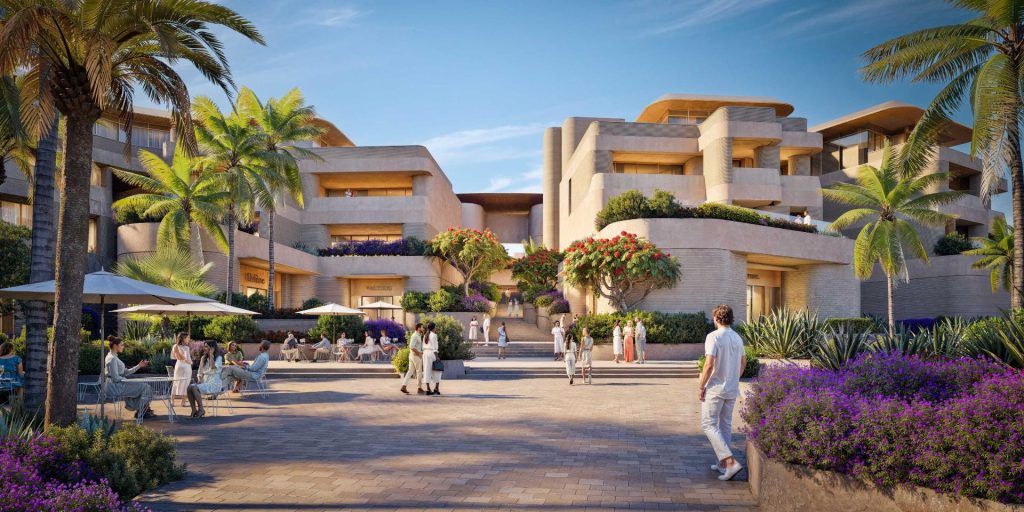
More symbolically, AMAALA represents a turning point in Saudi Arabia’s global identity — from a resource-based economy to a lifestyle-driven, forward-thinking nation investing in art, culture, and wellness. As part of the broader Red Sea corridor, it will leave behind not just architecture and resorts, but a sustainable legacy of design, purpose, and renewal.
Summary
AMAALA is more than a luxury destination — it is a philosophy of living well, a fusion of art, nature, and wellness built upon the promise of sustainability. With visionary planning, top-tier partners, and a clear commitment to environmental integrity, it will anchor Saudi Arabia’s emergence as a global leader in experiential tourism.
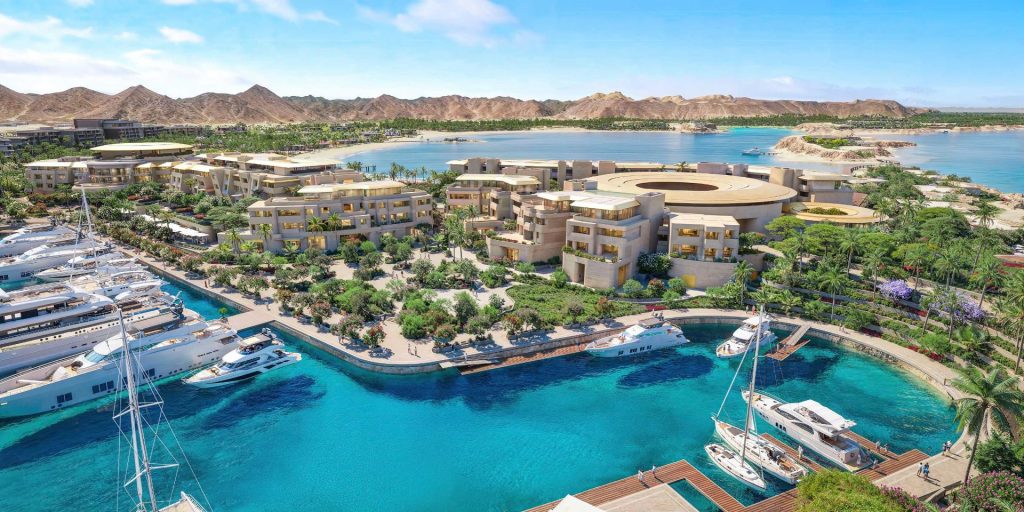
By 2030, AMAALA will stand as the Red Sea’s shimmering testament to what visionary development can achieve when guided by balance, beauty, and regeneration.
Project Facts & Figures
- Location: Red Sea coast, Tabuk Province, Saudi Arabia
- Area: Approx. 4,200 km²
- Developer: Red Sea Global (PIF)
- Master Planner: HKS Architects
- Infrastructure Partners: EDF Group, Masdar, SUEZ
- Hotels: 29 properties (3,800+ rooms)
- Residences: ~1,200 units
- GDP Contribution: SAR 11 billion (USD 3 billion)
- Employment Impact: ~50,000 jobs
- Phase I Opening: 2025